Was the greatest painter of the Dutch Golden Age actually a secret surgeon?
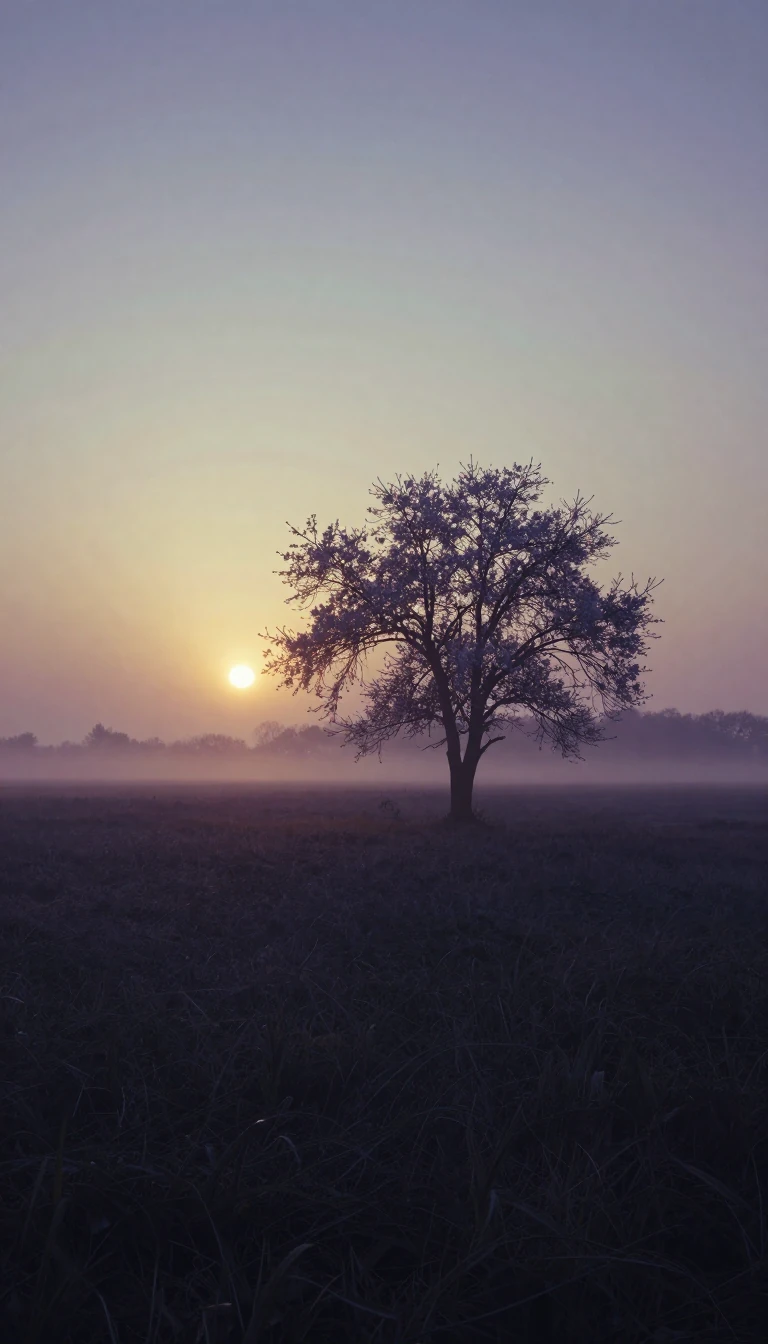
In short: Jacob van Ruisdael transformed landscape art by turning trees into recognizable botanical subjects and skies into dramatic, expansive canvases. While he dominated the Dutch art market for decades, mystery surrounds his life, from his unverified medical degree to the persistent, unproven rumors that he was a practicing surgeon.
Born in Haarlem around 1629, Ruisdael emerged as a prodigy, producing high-quality work by age seventeen. He defied the conventions of his time by elevating humble dunes and woods into heroic, monumental compositions. Unlike his peers, who often relied on established tropes, Ruisdael pioneered the depiction of water mills and rugged Scandinavian waterfalls, despite never actually visiting the Nordic region. His technical mastery, particularly his ability to render the flow of sap through foliage, made his trees uniquely identifiable to modern botanists.
The debate over his potential medical career stems from a 1718 biography by Arnold Houbraken, which claimed Ruisdael studied medicine and performed surgery in Amsterdam. While archival records list a 'Jacobus Ruijsdael' as a doctor with a degree from Caen, experts like Seymour Slive argue this is likely a case of mistaken identity involving a cousin. The spelling of the name does not match Ruisdael’s own, and his prolific output—nearly 700 attributed paintings—suggests he lacked the time required for medical training. Furthermore, there is no evidence in his art that he ever traveled to northern France.
Ruisdael’s influence was profound, shaping the trajectory of landscape painting for centuries. He inspired generations of artists, including English Romantics like John Constable and J.M.W. Turner, as well as the French Barbizon school and the American Hudson River School. Even Vincent van Gogh regarded him as a sublime master. Despite his fame, Ruisdael lived a quiet life, never marrying, and was buried in Haarlem’s Saint Bavo’s Church in 1682. Today, his work remains a subject of intense study, with scholars still debating whether his landscapes were intended as moral allegories or simply as profound reflections of the natural world.
Opens the Intellect+ feed with this card first. Swipe up for the next one.
Sources
- Summary by Intellect · source: Jacob van Ruisdael
- Also: www.nga.gov — Jacob van Ruisdael
To cite this card, link to https://intellectplus.co.uk/app/art-jacob-van-ruisdael.
How we source, check and correct cards: Editorial standards.
General information, not professional advice. Spotted an error? Flag the card or see corrections and complaints.
Intellect Plus is a visual educational discovery platform for exploring fascinating facts and ideas. Brain Food, Not Brain Rot. What is Intellect Plus?
Related
More in Visual artists · More in Art · Latest · A–Z · All topics
