Why the Belgian painter James Ensor turned his back on the art world
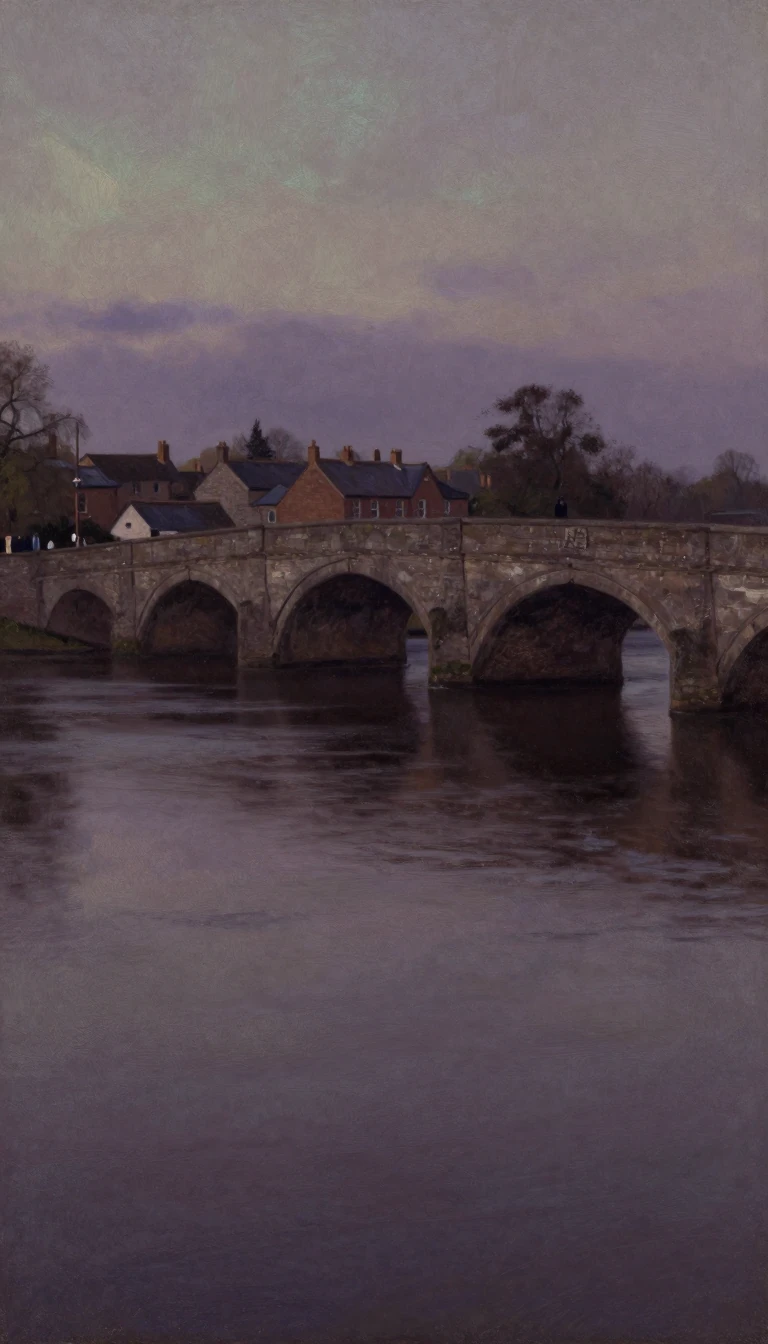
In short: James Ensor was a radical force in 19th-century art, famous for his grotesque masks and biting political satire. Yet, as he gained fame, he retreated into a quiet life of music and mild repetition. Discover the man who anticipated modernism while feeling he had chosen the wrong path.
Born in Ostend in 1860, James Ensor spent his formative years in his parents' souvenir shop, where the carnival masks sold to tourists became a lifelong obsession. These masks, along with skeletons and puppetry, defined his mature style, allowing him to paint with a freedom that defied academic norms. His most ambitious work, the massive 1889 painting Christ's Entry Into Brussels, featured a chaotic, masked mob and remains a key forerunner of twentieth-century Expressionism.
During the late 1880s, Ensor was a lightning rod for controversy. Critics labeled his work anarchistic and dangerous, prompting him to respond with aggressive, scathingly political etchings. In one 1887 piece, he depicted himself urinating on a wall that declared him a madman. However, as the 20th century progressed, his aggressive sarcasm faded. He was eventually embraced by the establishment, named a Baron in 1929, and awarded the Légion d'honneur in 1933, yet his artistic output slowed significantly.
In his later years, Ensor increasingly turned toward music, becoming a skilled improviser on the harmonium. He even composed a ballet-pantomime, The Scale of Love, in 1907. Despite his status as an honored Belgian figure, he famously remarked in his old age that he had followed the wrong path, believing he should have dedicated his life to music instead of painting. He died in his beloved Ostend in 1949, leaving behind a legacy that influenced movements from Dada to Surrealism.
While historians often characterize his final decades as a period of decline, some scholars point to poignant exceptions, such as his 1915 painting of his mother's deathbed. Today, his influence is seen in the work of modern artists and even in contemporary media, from rock songs to video games. His radical distortion of form and riotous color remain a testament to a career that began in scandal and ended in quiet, musical contemplation.
Opens the Intellect+ feed with this card first. Swipe up for the next one.
Sources
- Summary by Intellect · source: James Ensor
To cite this card, link to https://intellectplus.co.uk/app/art-james-ensor.
How we source, check and correct cards: Editorial standards.
General information, not professional advice. Spotted an error? Flag the card or see corrections and complaints.
Intellect Plus is a visual educational discovery platform for exploring fascinating facts and ideas. Brain Food, Not Brain Rot. What is Intellect Plus?
Related
More in Visual artists · More in Art · Latest · A–Z · All topics
