A nihilistic masterpiece: Why Louis-Ferdinand Céline’s 1932 novel remains a literary earthquake
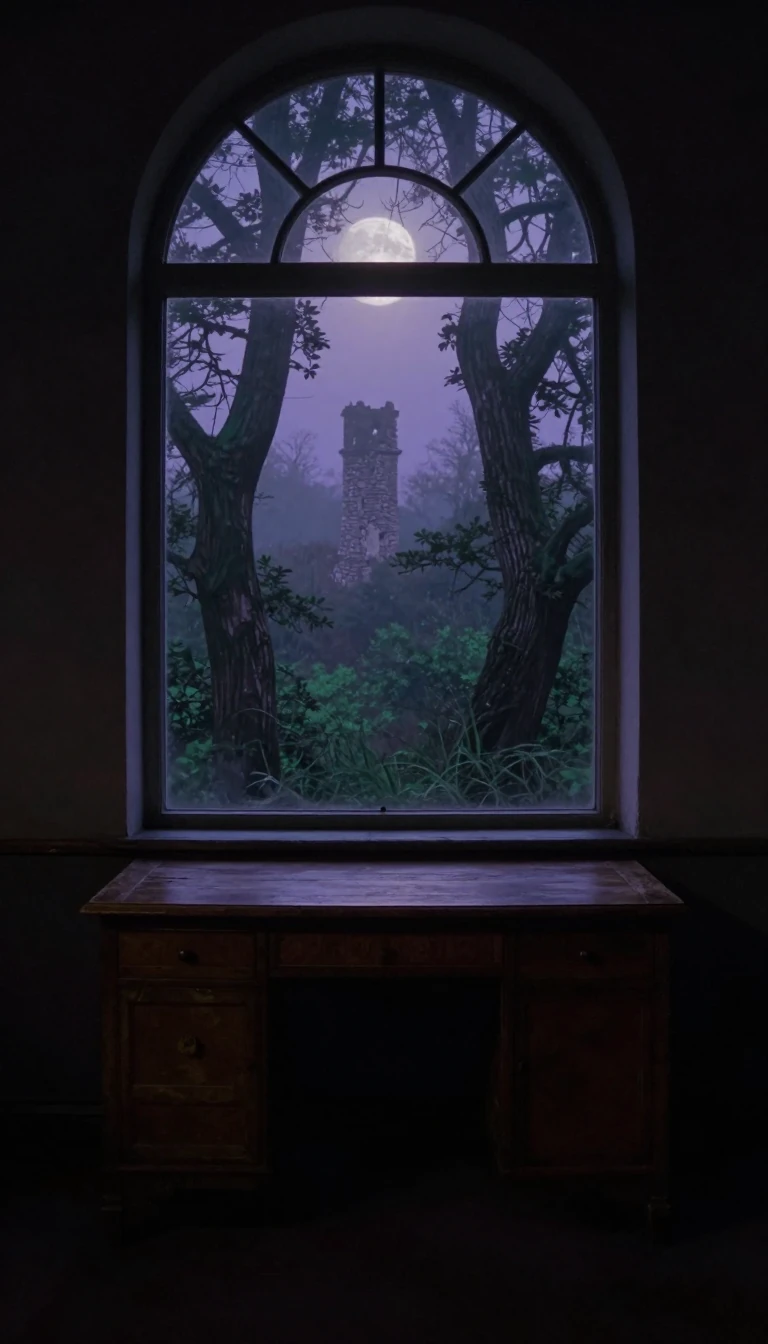
In short: Published in 1932, Journey to the End of the Night follows Ferdinand Bardamu through a world stripped of beauty and morality. This semi-autobiographical novel redefined French literature with its raw, colloquial prose and unflinching nihilism, influencing generations of writers from Jack Kerouac to Charles Bukowski and Joseph Heller.
Louis-Ferdinand Céline’s debut novel emerged from his own fractured experiences: his service in the French cavalry during World War I, his time working for a forestry company in colonial Africa, and his 1925 mission to the United States as a League of Nations health officer. These disparate, often harrowing episodes form the backbone of Bardamu’s journey, a character who drifts from the front lines to a dilapidated trading post, then to a dehumanizing assembly line at the Ford Motor Company in Detroit.
The novel is celebrated for its stylistic innovation, specifically its use of vulgar, slang-heavy language that mirrors the protagonist’s mental collapse and the bleakness of his environment. Critics initially divided over its pessimistic depiction of the human condition, yet it secured a reputation as a landmark work of the twentieth century. The title itself, derived from a poem by Ludwig Giseke, captures the central theme: a desperate search for meaning in a sky without light.
Beyond its stylistic impact, the book serves as a grim exploration of moral bankruptcy. Whether Bardamu is navigating the horrors of war, the exploitation of colonial Africa, or the poverty of the Parisian suburbs, he finds only absurdity and cruelty. While Céline’s later life was marred by virulent antisemitism and extreme misanthropy, this first novel remains a significant, if controversial, pillar of modern literature, lauded for its ability to capture the profound alienation of the human experience.
Opens the Intellect+ feed with this card first. Swipe up for the next one.
Sources
- Summary by Intellect · source: Journey to the End of the Night | Summary & Significance | Britannica
- Also: Journey to the End of the Night
To cite this card, link to https://intellectplus.co.uk/app/art-journey-to-the-end-of-the-night.
How we source, check and correct cards: Editorial standards.
General information, not professional advice. Spotted an error? Flag the card or see corrections and complaints.
Intellect Plus is a visual educational discovery platform for exploring fascinating facts and ideas. Brain Food, Not Brain Rot. What is Intellect Plus?
Related
More in Literature · More in Art · Latest · A–Z · All topics
