The 14th-century epic that claimed Ethiopia’s emperors were direct descendants of King Solomon.
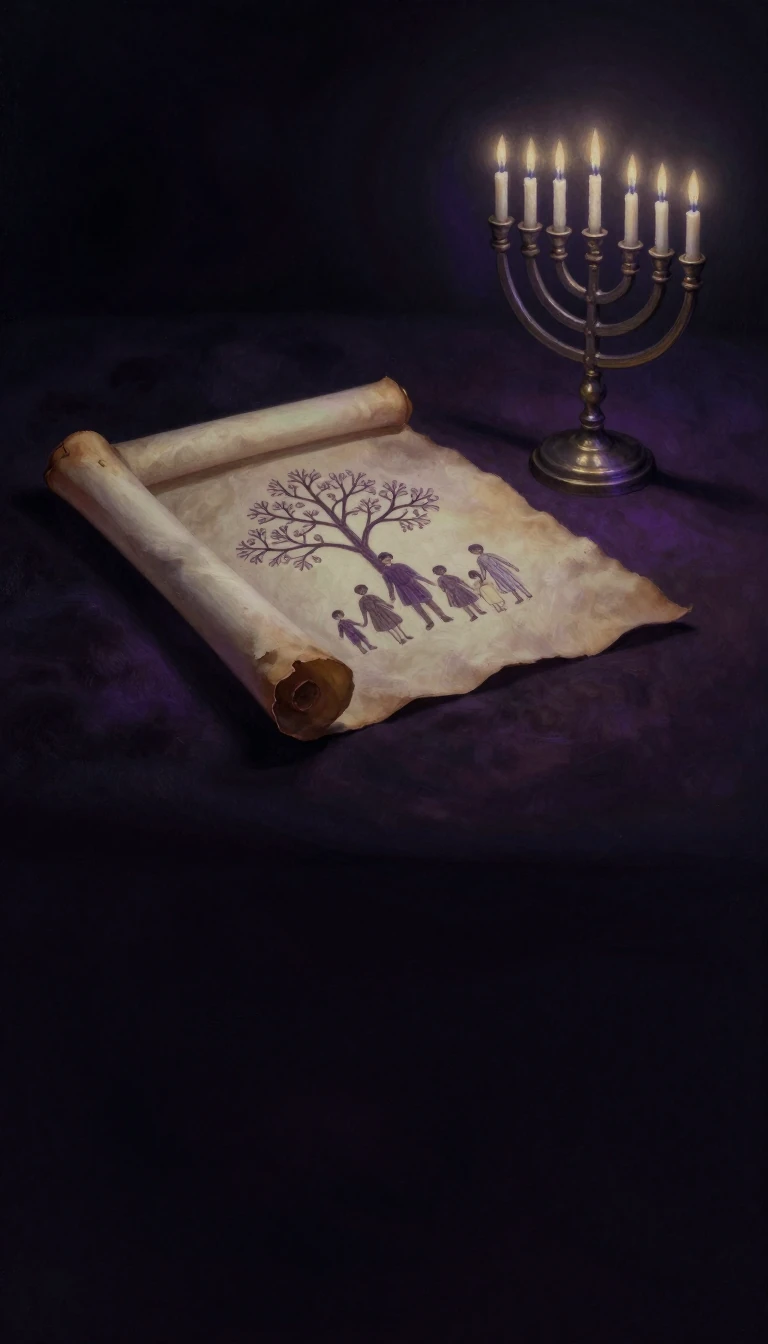
In short: The Kebra Nagast is a foundational Ethiopian text that weaves biblical history into a national myth. It traces the Solomonic dynasty back to King Solomon and the Queen of Sheba, claiming the Ark of the Covenant was brought to Ethiopia by their son, Menelik I. It remains a powerful cultural touchstone.
Written in Ge'ez around the 14th century, the Kebra Nagast—or The Glory of the Kings—serves as a politico-religious epic that provided textual authority for the Solomonic dynasty. By linking Ethiopian monarchs to the Davidic line, the text legitimized the rise of Yekuno Amlak, who overthrew the Zagwe Dynasty in the 13th century. While many Ethiopian Christians view the work as a historically reliable account, modern scholars categorize it as a sophisticated pastiche of legends, drawing on the Bible, apocryphal texts, and various patristic and rabbinical writings.
The narrative centers on the Queen of Sheba, known as Makeda, who travels to Jerusalem to learn from King Solomon. After she converts to the God of Israel, the text describes the birth of their son, Menelik I. Upon visiting his father in Jerusalem at age 22, Menelik unknowingly returns to Ethiopia with the Ark of the Covenant, smuggled out by the first-born sons of Israel’s elders. The text claims this divine relic granted Ethiopia spiritual supremacy over Israel, a theme reinforced by its polemical stance against Jewish custodianship of the Ark.
The document is structured as a debate among the 318 fathers of the First Council of Nicaea, framing its contents as a sacred revelation. Despite its influence, historians like Stuart Munro-Hay note that there is no evidence of Ethiopian monarchs claiming Solomonic descent before the 13th century. The work likely synthesizes oral traditions, local political needs, and foreign influences to assert Ethiopia's unique place in Christian history. Its contents were largely unknown to European scholars until the late 18th century, when James Bruce brought a manuscript to the Bodleian Library.
Opens the Intellect+ feed with this card first. Swipe up for the next one.
Sources
- Summary by Intellect · source: Kebra Nagast
To cite this card, link to https://intellectplus.co.uk/app/art-kebra-nagast.
How we source, check and correct cards: Editorial standards.
General information, not professional advice. Spotted an error? Flag the card or see corrections and complaints.
Intellect Plus is a visual educational discovery platform for exploring fascinating facts and ideas. Brain Food, Not Brain Rot. What is Intellect Plus?
Related
More in Literature · More in Art · Latest · A–Z · All topics
