Was the most famous poem about a dream actually a calculated work of art?
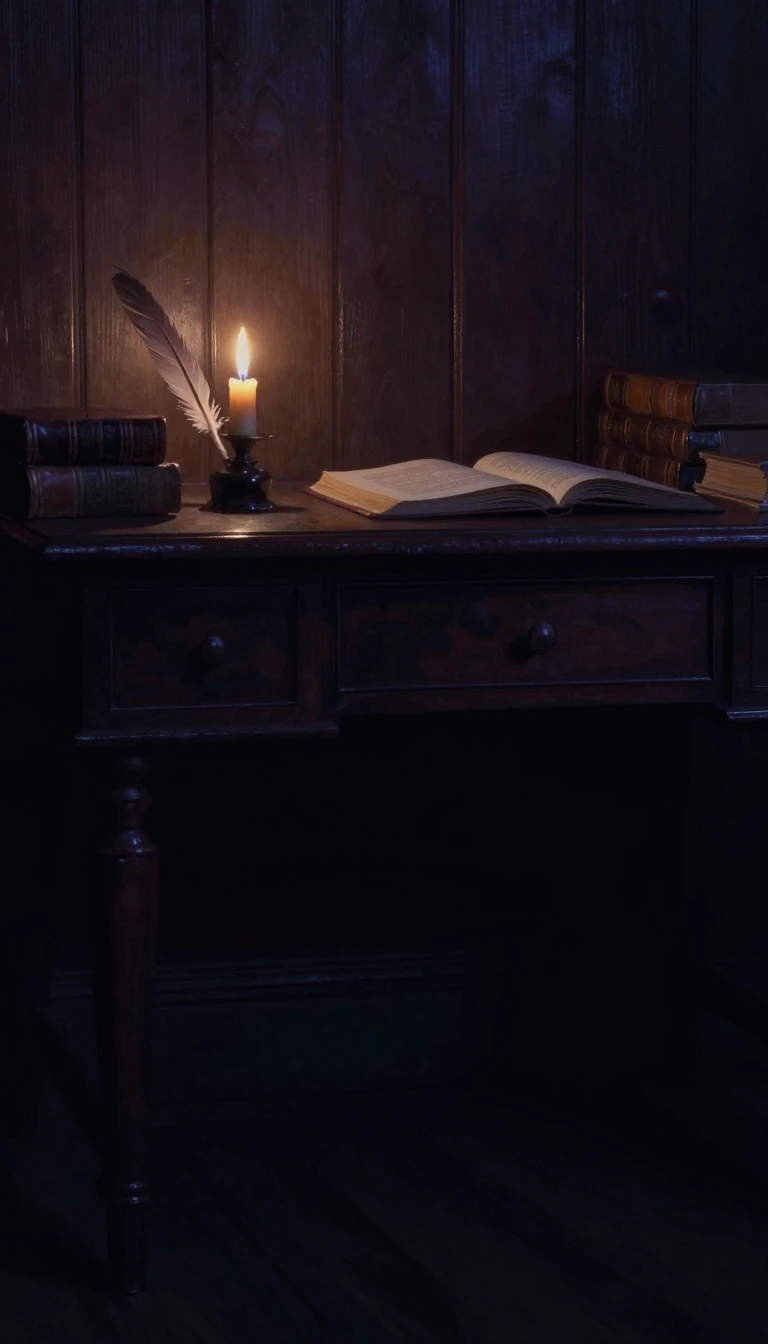
In short: Samuel Taylor Coleridge claimed his masterpiece, Kubla Khan, was a spontaneous vision born from an opium-induced sleep and cut short by a mysterious visitor. Yet, modern scholars suggest this narrative of accidental genius may be a carefully constructed myth, masking a complex, deliberate exploration of the creative imagination itself.
Coleridge’s account of Kubla Khan, first published in 1816, describes a dream-state composition interrupted by a 'person on business from Porlock.' This interruption allegedly prevented him from recording the full 200 to 300 lines he had envisioned. While this story cemented the poem's reputation as a tragic fragment, critics have long questioned its accuracy. The manuscript, likely written in October 1797, and the preface differ in their details—such as the amount of opium consumed—suggesting that Coleridge may have embellished the circumstances to distance himself from drug use and frame the work as a 'psychological curiosity' rather than a deliberate poetic effort.
The poem itself is a dense tapestry of literary allusions, drawing from sources as varied as Samuel Purchas’s 1613 travelogues, Milton’s Paradise Lost, and Heliodorus’s Aethiopian History. Coleridge’s depiction of Xanadu and the 'stately pleasure dome' is a transformation of Marco Polo’s accounts of Kublai Khan’s portable palace. By weaving these disparate threads into a highly stylized, rhythmic structure, Coleridge created an 'anti-poem' that challenges the reader’s understanding of unity and order. The shift from the third-person description of the Khan to the first-person perspective of the poet reveals a deeper intent: an inquiry into the nature of genius and the poet’s struggle to control the infinite power of the imagination.
Ultimately, the poem serves as a meditation on the creative process. The 'person from Porlock' represents the inevitable intrusion of reality into the visionary world. Whether or not the poem was truly a dream-fragment, its enduring influence on later writers like Tennyson and Yeats suggests that its power lies not in its accidental origins, but in its sophisticated exploration of how a poet crafts language, experiences inspiration, and navigates the combative relationship between the visionary world and the audience.
Opens the Intellect+ feed with this card first. Swipe up for the next one.
Sources
- Summary by Intellect · source: Kubla Khan
- Also: Kubla Khan | Romanticism, Imagery, Allegory | Britannica
To cite this card, link to https://intellectplus.co.uk/app/art-kubla-khan.
How we source, check and correct cards: Editorial standards.
General information, not professional advice. Spotted an error? Flag the card or see corrections and complaints.
Intellect Plus is a visual educational discovery platform for exploring fascinating facts and ideas. Brain Food, Not Brain Rot. What is Intellect Plus?
Related
More in Literature · More in Art · Latest · A–Z · All topics
