Why a banned novel about a gamekeeper changed the course of literary freedom
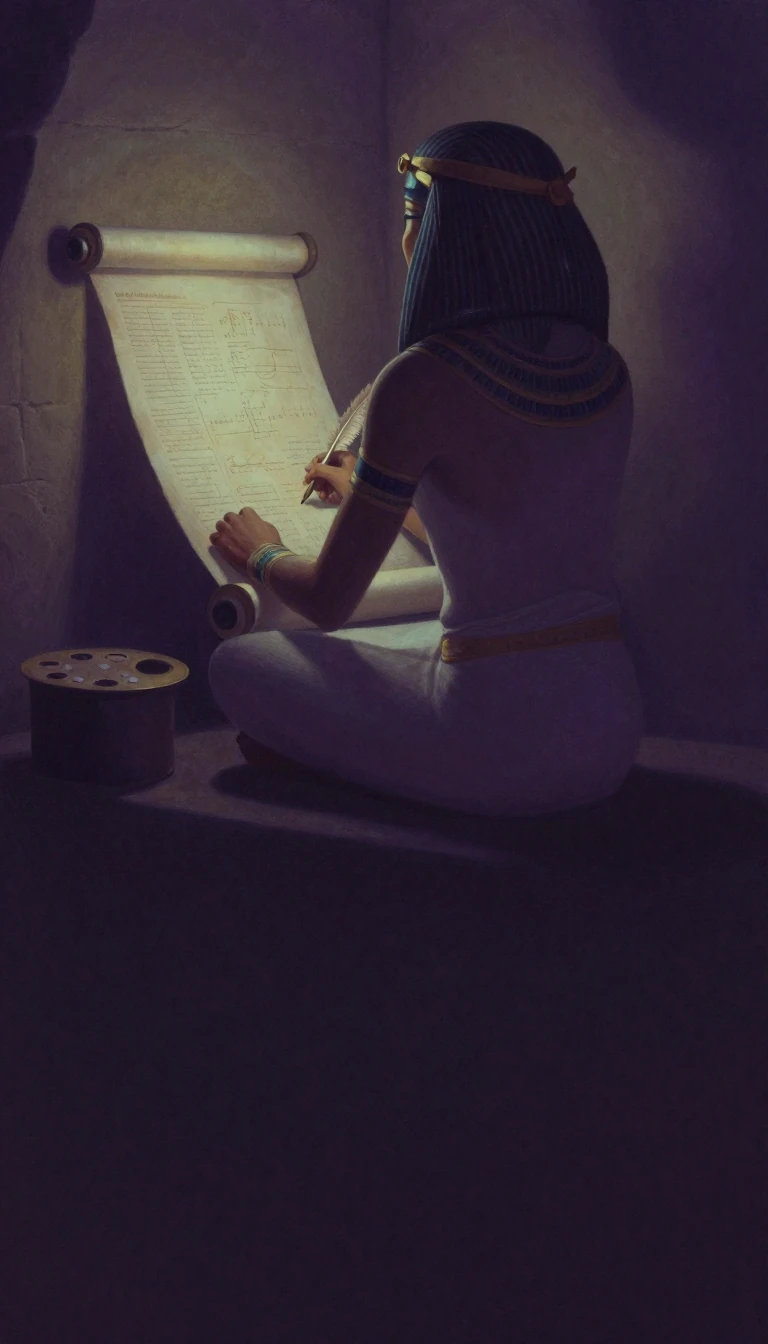
In short: D. H. Lawrence’s final novel, Lady Chatterley’s Lover, was once a global pariah, banned for its explicit language and illicit affair between an aristocrat and a gamekeeper. Yet, a landmark 1960 obscenity trial in Britain transformed the book from a notorious scandal into a watershed victory for modern literary expression.
Published privately in 1928, the novel follows Constance, Lady Chatterley, who is trapped in a passionless marriage to Sir Clifford Chatterley, a baronet paralyzed during the Great War. Constance finds emotional and physical awakening in an affair with Oliver Mellors, the estate’s gamekeeper. Lawrence used this narrative to explore the divide between the mind and the body, arguing that a life lived entirely through the intellect—a trait he associated with the aristocracy—leads to a hollow, mechanical existence. By contrast, the physical connection between Constance and Mellors represents a search for integrity and wholeness.
The book’s path to public acceptance was fraught with legal battles. In the United States, Senator Reed Smoot famously denounced it in 1930 as the work of a man with a 'diseased mind.' However, the definitive shift occurred in the United Kingdom in 1960. Penguin Books published the unexpurgated edition, triggering a high-profile trial under the Obscene Publications Act 1959. The prosecution famously asked if the book was fit for wives or servants to read, but the jury returned a 'not guilty' verdict. This outcome, supported by expert testimony on the novel’s literary merit, effectively ended the era of strict censorship for explicit material in Britain.
The novel’s themes of class and industrial decay also reflected Lawrence’s own background. The tension between the vitality of nature and the 'mechanized greed' of the coal mines owned by Clifford’s family serves as a backdrop for the characters' personal transformations. While the book was banned in countries including Canada, Australia, and Japan, the eventual legal victories in the UK and Canada—where the Supreme Court ruled in favor of the book in a 5–4 split—signaled a broader cultural shift. Today, the novel stands as a testament to the struggle for artistic freedom, having moved from the shadows of private subscription to a central place in the literary canon.
Opens the Intellect+ feed with this card first. Swipe up for the next one.
Sources
- Summary by Intellect · source: Lady Chatterley's Lover
- Also: Art Institute of Chicago — Lady Filmer in her Drawing Room · CC0 (data); description CC BY 4.0
To cite this card, link to https://intellectplus.co.uk/app/art-lady-chatterley-s-lover.
How we source, check and correct cards: Editorial standards.
General information, not professional advice. Spotted an error? Flag the card or see corrections and complaints.
Intellect Plus is a visual educational discovery platform for exploring fascinating facts and ideas. Brain Food, Not Brain Rot. What is Intellect Plus?
Related
More in Literature · More in Art · Latest · A–Z · All topics
