A dying stone lion in Switzerland commemorates a bloody massacre of French royal guards.
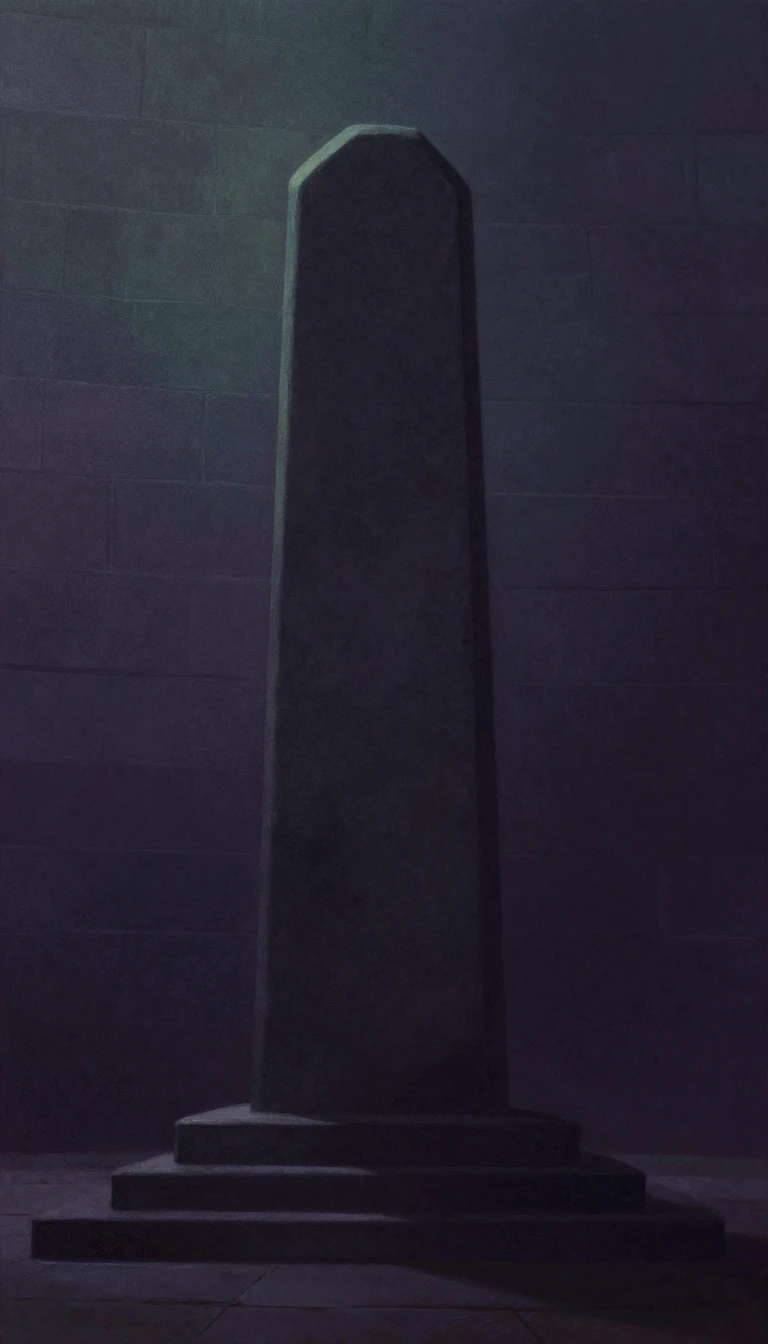
In short: Carved directly into a sandstone cliff in Lucerne, the Lion Monument is a colossal, mournful tribute to the Swiss Guards killed during the 1792 French Revolution. Once described by Mark Twain as the most moving piece of stone in the world, its history is as complex as its artistry.
The monument honors the Swiss Guards who perished defending the Tuileries Palace in Paris on August 10, 1792. As revolutionaries stormed the palace, the guards—who had served the French monarchy since the early 17th century—were overwhelmed. While the exact death toll is debated by historians, records suggest around 760 guards were killed during the fighting or subsequent massacres, with hundreds more dying later in prison or during the September Massacres.
The project was initiated by Karl Pfyffer von Altishofen, a surviving officer who sought to memorialize his fallen comrades. He raised funds from European royal houses starting in 1818 and commissioned the renowned Danish sculptor Bertel Thorvaldsen to design the work. The actual carving was executed by Lukas Ahorn in a former sandstone quarry between 1820 and 1821. The result is a ten-metre-long relief featuring a dying lion impaled by a spear, resting its paw upon the French fleur-de-lis and the Swiss coat of arms.
From its inception, the monument sparked intense political controversy. Swiss liberals criticized the work for glorifying the ancien régime and honoring citizens who died for a foreign monarchy, with some even threatening to vandalize the sculpture. Despite this, it became a cultural touchstone, described by figures like Thomas Carlyle and Patti Smith. Its influence even crossed the Atlantic; a near-identical copy was installed in Atlanta in 1894 to honor Confederate soldiers, though that version was removed in 2021 amid shifting public sentiment regarding its historical associations.
Today, the site remains one of Switzerland's most visited landmarks, drawing roughly 1.4 million tourists annually. It stands as a testament to the complex intersection of art, national identity, and the lingering scars of revolutionary history, preserved under Swiss monument protection since 2006.
Opens the Intellect+ feed with this card first. Swipe up for the next one.
Sources
- Summary by Intellect · source: Lion Monument
To cite this card, link to https://intellectplus.co.uk/app/art-lion-monument.
How we source, check and correct cards: Editorial standards.
General information, not professional advice. Spotted an error? Flag the card or see corrections and complaints.
Intellect Plus is a visual educational discovery platform for exploring fascinating facts and ideas. Brain Food, Not Brain Rot. What is Intellect Plus?
Related
More in Visual arts · More in Art · Latest · A–Z · All topics
