A play written on a pier changed British theatre by exploding middle-class complacency
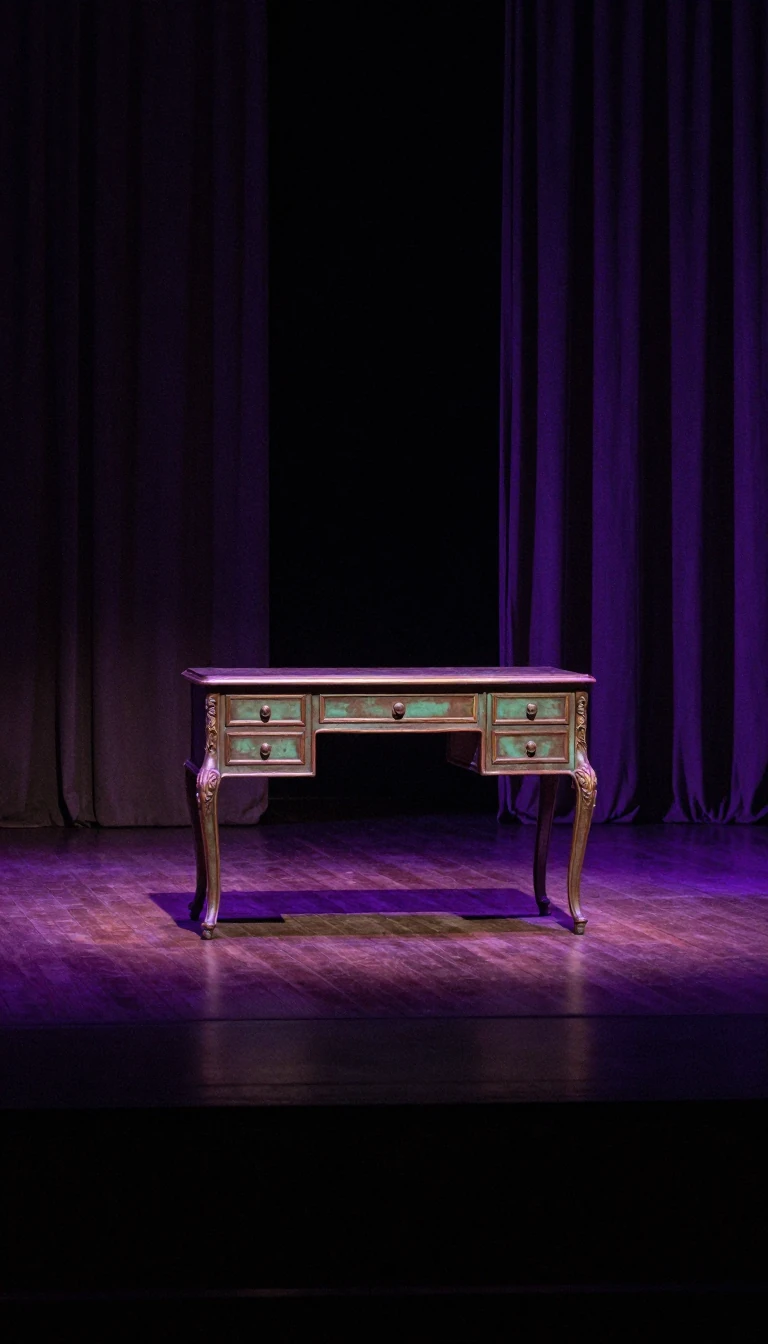
In short: John Osborne’s 1956 drama Look Back in Anger did not just debut a new play; it detonated a landmine under the British stage. By centering on a disaffected, working-class protagonist, it birthed the angry young men movement and forever altered how audiences viewed the grit of postwar domestic life.
Written in just over two weeks while the author sat in a deck chair on a seaside pier, the play drew heavily from John Osborne’s own turbulent marriage and early life. It follows Jimmy Porter, an educated but frustrated man from a working-class background, and his wife Alison, who hails from an upper-middle-class military family. Their cramped, squalid existence in the Midlands serves as the backdrop for Jimmy’s relentless, vituperative tirades against the smugness of the British establishment.
The play’s premiere at London’s Royal Court Theatre in May 1956 shocked the public. Critics were sharply divided; while some dismissed the work as an unpleasant waste of time, others like Kenneth Tynan hailed it as a minor miracle. It captured a specific, post-atomic malaise felt by young Britons who had missed the war but found the subsequent peace devoid of promise. The sight of an ironing board on stage became an iconic, if sometimes mocked, symbol of this new, harsh realism.
Beyond the stage, the play’s influence rippled through culture, spawning film adaptations and even a 1989 sequel, Déjàvu. While the original production turned Osborne into a wealthy celebrity, the term angry young men—coined by the press—became a label for a whole generation of writers. Decades later, the play remains a landmark, marking the moment when British theatre abandoned escapism to confront the social gulfs and simmering resentments of the modern world.
Opens the Intellect+ feed with this card first. Swipe up for the next one.
Sources
- Summary by Intellect · source: Look Back in Anger
- Also: Look Back in Anger | Angry Young Men, British Drama, John Osborne | Britannica
To cite this card, link to https://intellectplus.co.uk/app/art-look-back-in-anger.
How we source, check and correct cards: Editorial standards.
General information, not professional advice. Spotted an error? Flag the card or see corrections and complaints.
Intellect Plus is a visual educational discovery platform for exploring fascinating facts and ideas. Brain Food, Not Brain Rot. What is Intellect Plus?
Related
More in Literature · More in Art · Latest · A–Z · All topics
