The nonsensical Latin text used by designers actually hides a 2,000-year-old philosophical secret.
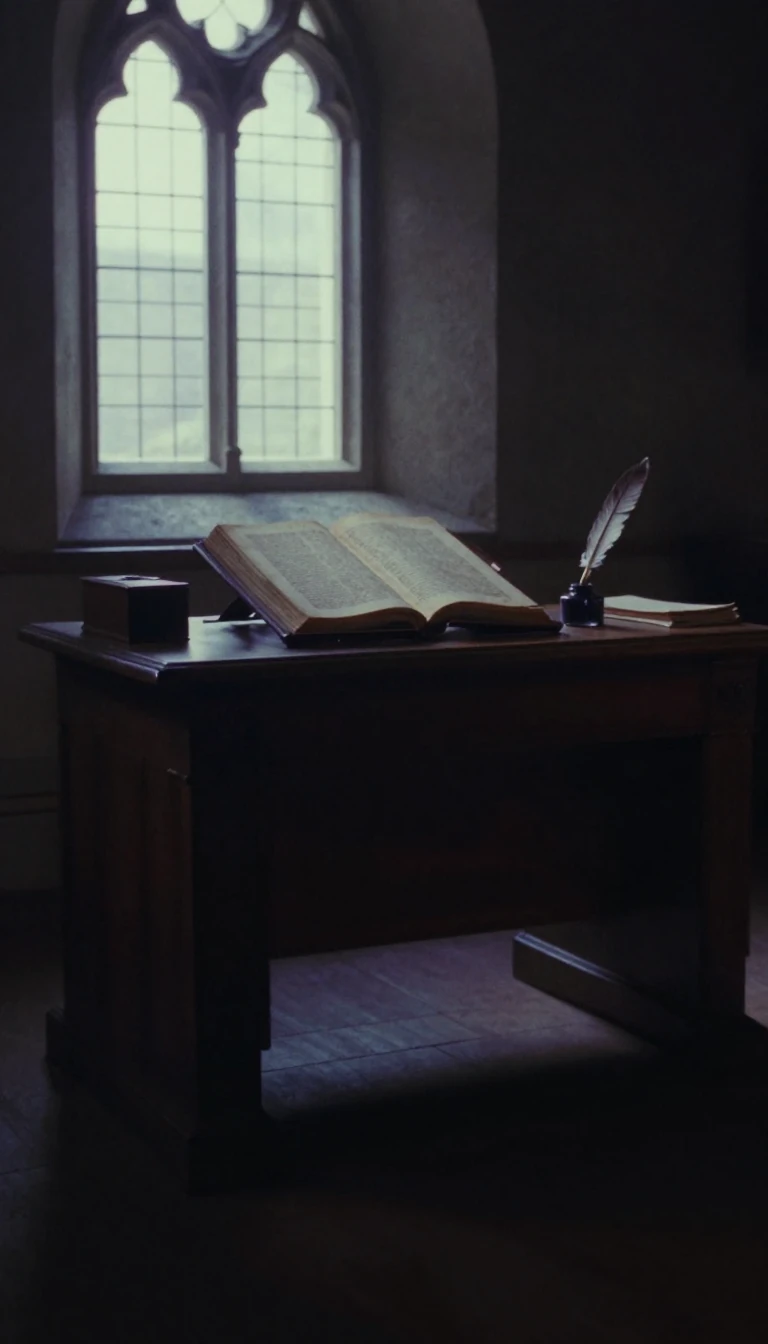
In short: You have seen it in every layout: Lorem ipsum. While it looks like standard Latin, it is actually a scrambled, corrupted version of a 1st-century BC philosophical treatise by Cicero. Designers use this gibberish to focus on typography rather than content, but its origins are surprisingly scholarly.
Typography is a functional art, concerned with the arrangement of letterforms to ensure that information is transmitted clearly from writer to reader. Because the typographer’s primary goal is to provide a usable connection, they often rely on placeholder text to preview layouts without the distraction of meaningful content. Lorem ipsum has become the industry standard for this task, allowing designers to test fonts and spacing while keeping the focus on the visual structure of the page.
The text itself is derived from Cicero’s De finibus bonorum et malorum, specifically sections 1.10.32 and 1.10.33. The corruption likely occurred due to the layout of the 1914 Loeb Classical Library edition, where a page break split the phrase 'dolorem ipsum'—meaning 'pain itself'—across two pages. Over time, this fragment was altered, truncated, and rearranged to create a nonsensical string that mimics the letter frequency of English, making it an ideal tool for typesetting.
While the text has been used in various forms since the 1730s, its modern ubiquity began in the 1960s with Letraset transfer sheets. Latin scholar Richard McClintock later identified its source by searching for the rare word 'consectetur.' Despite the text’s ancient roots, it serves a purely modern purpose: enabling the typographer to demonstrate excellence in design without the interference of the written word, which remains the primary responsibility of the author.
This practice highlights the secondary nature of typography. Because the typographer works with existing alphabets and must adhere to rigid reading conventions—such as the Western habit of reading from top-left to bottom-right—they are limited by factors outside their control. By using Lorem ipsum, designers strip away the author's voice, allowing the aesthetic and functional qualities of the typeface to stand on their own.
Opens the Intellect+ feed with this card first. Swipe up for the next one.
Sources
- Summary by Intellect · source: Lorem ipsum | Meaning, Text, History, & Facts | Britannica
- Also: Lorem ipsum
To cite this card, link to https://intellectplus.co.uk/app/art-lorem-ipsum.
How we source, check and correct cards: Editorial standards.
General information, not professional advice. Spotted an error? Flag the card or see corrections and complaints.
Intellect Plus is a visual educational discovery platform for exploring fascinating facts and ideas. Brain Food, Not Brain Rot. What is Intellect Plus?
Related
More in Visual arts · More in Art · Latest · A–Z · All topics
