How Lynn Fontanne and Alfred Lunt revolutionized the art of stage dialogue
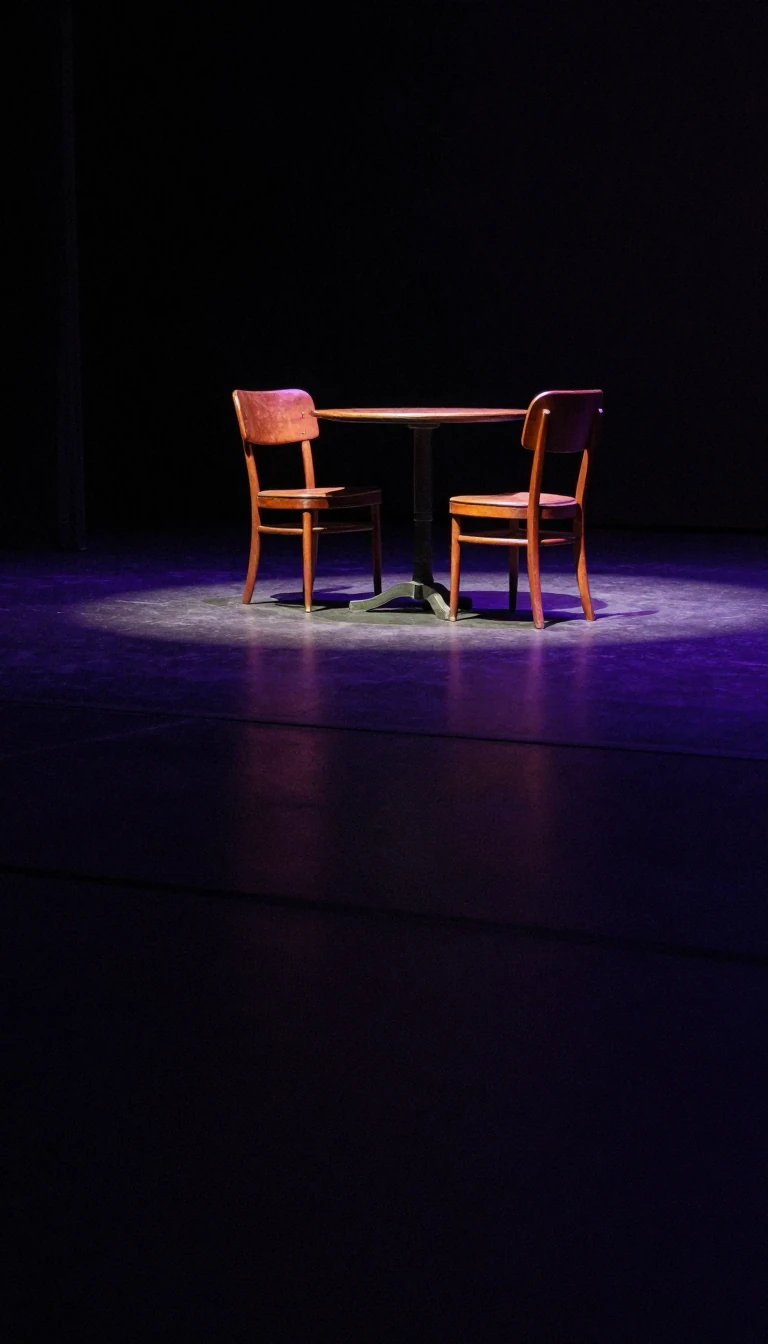
In short: Before the Lunts, actors waited for their partners to finish speaking. Lynn Fontanne and Alfred Lunt shattered this convention, introducing a naturalistic, overlapping style of dialogue that made their performances feel startlingly real. This innovation turned the duo into the most celebrated theatrical partnership of the twentieth century.
Born in London in 1887, Lynn Fontanne began her career as a chorus girl before training under the legendary Ellen Terry. Her path shifted permanently in 1920 when she met American actor Alfred Lunt while performing in Washington, D.C. Following their 1922 marriage, the pair became an inseparable professional unit, famously known as 'The Lunts.' They were celebrated for their ability to bring a vivid, lifelike quality to the stage, a reputation built on their pioneering approach to dialogue. By speaking while their partners were still delivering lines, they created a rhythm that felt more authentic than the rigid, turn-taking delivery common in the era.
The couple’s influence extended far beyond their technical innovations. They became the primary draw for the Theatre Guild in New York, where they balanced light, stylish comedies by writers like Noël Coward with demanding experimental works by Eugene O'Neill and Friedrich Dürrenmatt. Their partnership was so iconic that Coward wrote the 1932 play 'Design for Living' specifically for them. The production broke box-office records and reportedly secured the highest salaries on Broadway at the time. Despite their immense success, they remained committed to touring, believing that audiences outside of New York deserved access to high-quality Broadway productions.
Throughout their four-decade career, the Lunts maintained a country estate in Genesee Depot, Wisconsin, which became a sanctuary for the theatrical elite. During the Second World War, Fontanne insisted they return to England to share in the hardships of her home country, performing in the West End and for troops across Europe. After Lunt’s death in 1977, Fontanne lived for another six years, passing away in 1983 at age 95. Though she never received the British title she secretly coveted, her legacy remains cemented by the Lunt-Fontanne Theatre in New York and her status as a titan of the American stage.
Opens the Intellect+ feed with this card first. Swipe up for the next one.
Sources
- Summary by Intellect · source: Lynn Fontanne
To cite this card, link to https://intellectplus.co.uk/app/art-lynn-fontanne.
How we source, check and correct cards: Editorial standards.
General information, not professional advice. Spotted an error? Flag the card or see corrections and complaints.
Intellect Plus is a visual educational discovery platform for exploring fascinating facts and ideas. Brain Food, Not Brain Rot. What is Intellect Plus?
Related
More in Entertainers · More in Art · Latest · A–Z · All topics
