Why this Song dynasty master pushed his landscapes into the corner of the frame
In short: Ma Yuan, a legendary Chinese painter of the Southern Song dynasty, revolutionized landscape art by abandoning centered compositions. By shifting his subjects to one corner, he created vast, atmospheric voids that defined the Ma-Xia school. His lyrical, romantic style remains a benchmark for elegance and technical precision in classical painting.
Born into a prestigious family of court painters in Qiantang around 1160–65, Ma Yuan rose to prominence under the Southern Song emperors. He served as a painter in attendance, or daizhao, and eventually received the Golden Belt, the highest honor for a Chinese artist, under Emperor Ningzong. Despite his court success, he left no personal writings, leaving his artistic legacy to be reconstructed through his surviving scrolls, album leaves, and fan paintings.
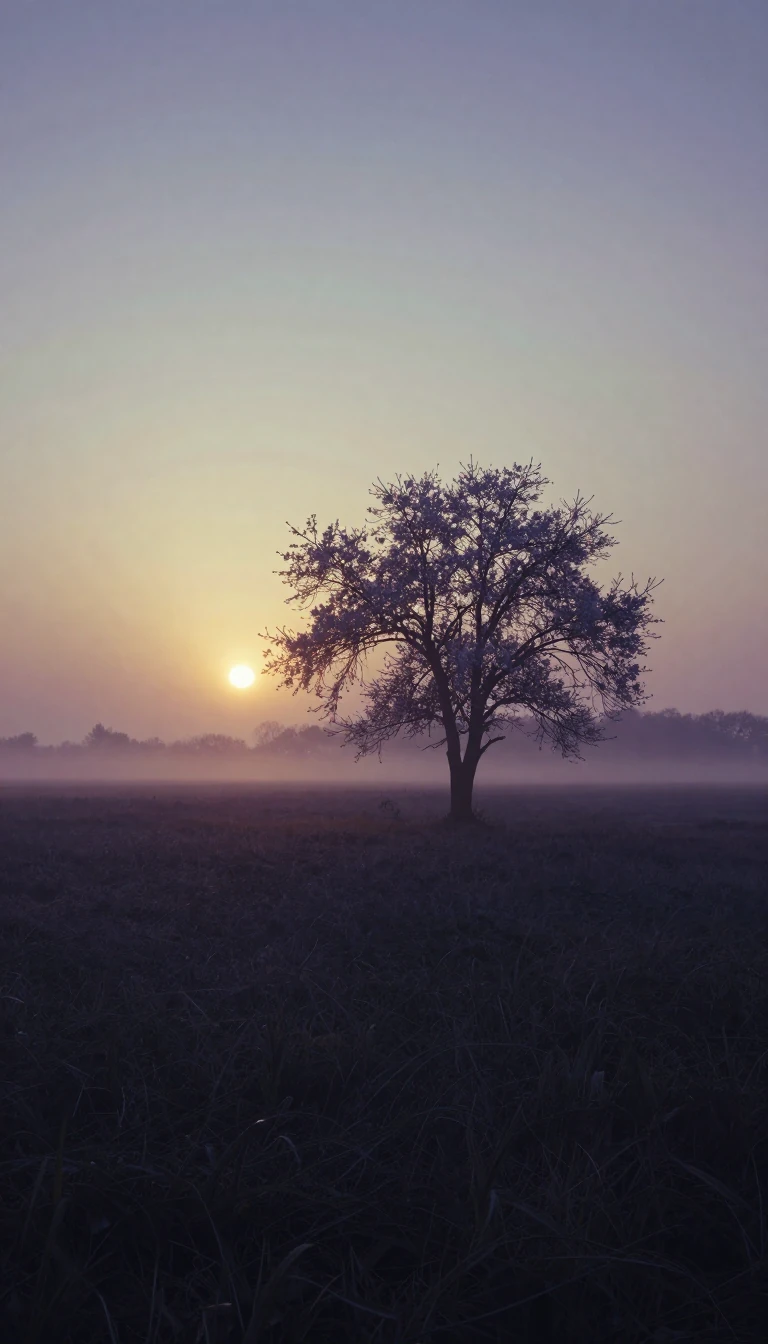
Ma’s signature innovation was the 'one-corner' composition. By pushing mountains and foreground elements to one side of the frame, he left large expanses of empty space, often suggesting mist or water. This technique, paired with his 'ax-cut' brush strokes—a method of hacking out rock facets developed by his predecessor Li Tang—created a sense of poetic melancholy. His work often featured tall, iron-wire pine trees and meditating scholars, capturing the nostalgic, refined atmosphere of the exiled court at Lin’an.
His influence was so profound that his style became the orthodox model for Southern Academy painters, leading to a surge of imitations that makes identifying his genuine works difficult today. While he is best known for his landscapes, his oeuvre also includes delicate flower studies and depictions of Zen masters. Following the fall of the Song dynasty in 1279, his romantic aesthetic faded, only to be revived centuries later during the Ming dynasty as a form of decorative academicism by the Zhe school.
Ma Yuan’s genius lay in his ability to balance dramatic, monumental landscapes with intimate, precise details. Whether in the dramatic contrast found in 'The Four Sages of Shangshan' or the quiet solitude of his night scenes, his work remains a testament to the Southern Song period's artistic peak. He died in about 1225, leaving behind a legacy that shaped the trajectory of Chinese landscape painting for generations.
Opens the Intellect+ feed with this card first. Swipe up for the next one.
Sources
- Summary by Intellect · source: Ma Yuan | Biography & Art | Britannica
- Also: Ma Yuan (painter)
To cite this card, link to https://intellectplus.co.uk/app/art-ma-yuan-painter.
How we source, check and correct cards: Editorial standards.
General information, not professional advice. Spotted an error? Flag the card or see corrections and complaints.
Intellect Plus is a visual educational discovery platform for exploring fascinating facts and ideas. Brain Food, Not Brain Rot. What is Intellect Plus?
Related
More in Visual artists · More in Art · Latest · A–Z · All topics
