How Lysippos redefined the human form by shrinking the head of his statues
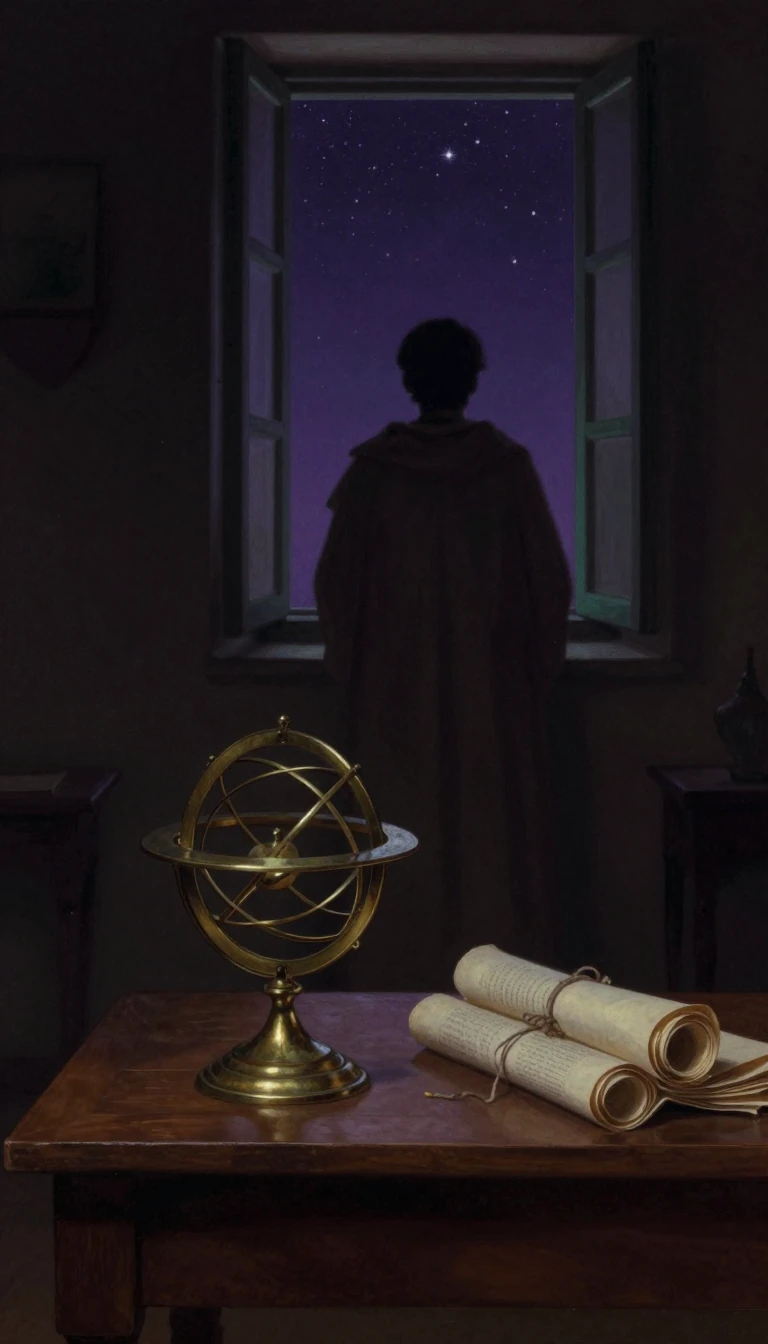
In short: Lysippos, a master of bronze in the 4th century BC, transformed Greek sculpture by breaking away from the rigid ideals of his predecessors. By introducing a new canon of proportions—specifically smaller heads on leaner bodies—he created figures that appeared taller, more elegant, and strikingly naturalistic to the ancient eye.
Born in Sicyon around 390 BC, Lysippos was a self-taught sculptor who rose to become one of the three greatest artists of the Classical Greek era. He was the only sculptor permitted to create portraits of Alexander the Great, establishing the iconic 'Lysippean gaze'—a godlike expression with tousled hair and parted lips. His influence was immense; he led the schools of Argos and Sicyon and mentored his three sons, Euthyktates, Boidas, and Daippos, as well as Chares of Lindos, who later built the Colossus of Rhodes.
The core of his innovation lay in his departure from the proportions established by Polykleitos. While Polykleitos favored a specific ideal, Lysippos introduced a 'canon of bodily proportions' that utilized an eight-heads-high scale. By making the heads smaller and the bodies more gracile and lean, he achieved a sense of greater height and coherent balance, or symmetria. Ancient commentators frequently praised his meticulous attention to fine details, such as the rendering of eyelids and toenails, which added a layer of naturalism previously unseen in bronze work.
Identifying his original work remains a significant challenge for modern scholars. Pliny the Elder claimed Lysippos produced over 1,500 bronze works, yet none of these originals survive. We rely on Roman marble copies, such as the Farnese Hercules or the Apoxyomenos, to understand his style. The difficulty is compounded by the existence of a thriving market for replicas during the Hellenistic and Roman periods, as well as the output of his large workshop. Even the famous Victorious Youth, or Getty Bronze, which was recovered from the sea in 1972, is only associated with him based on stylistic consistency with his known canon, leaving the definitive attribution of many pieces a subject of ongoing debate.
Opens the Intellect+ feed with this card first. Swipe up for the next one.
Sources
- Summary by Intellect · source: Lysippos
To cite this card, link to https://intellectplus.co.uk/app/art-lysippos.
How we source, check and correct cards: Editorial standards.
General information, not professional advice. Spotted an error? Flag the card or see corrections and complaints.
Intellect Plus is a visual educational discovery platform for exploring fascinating facts and ideas. Brain Food, Not Brain Rot. What is Intellect Plus?
Related
More in Visual artists · More in Art · Latest · A–Z · All topics
