Why the most impersonal actors on stage can evoke our deepest human emotions
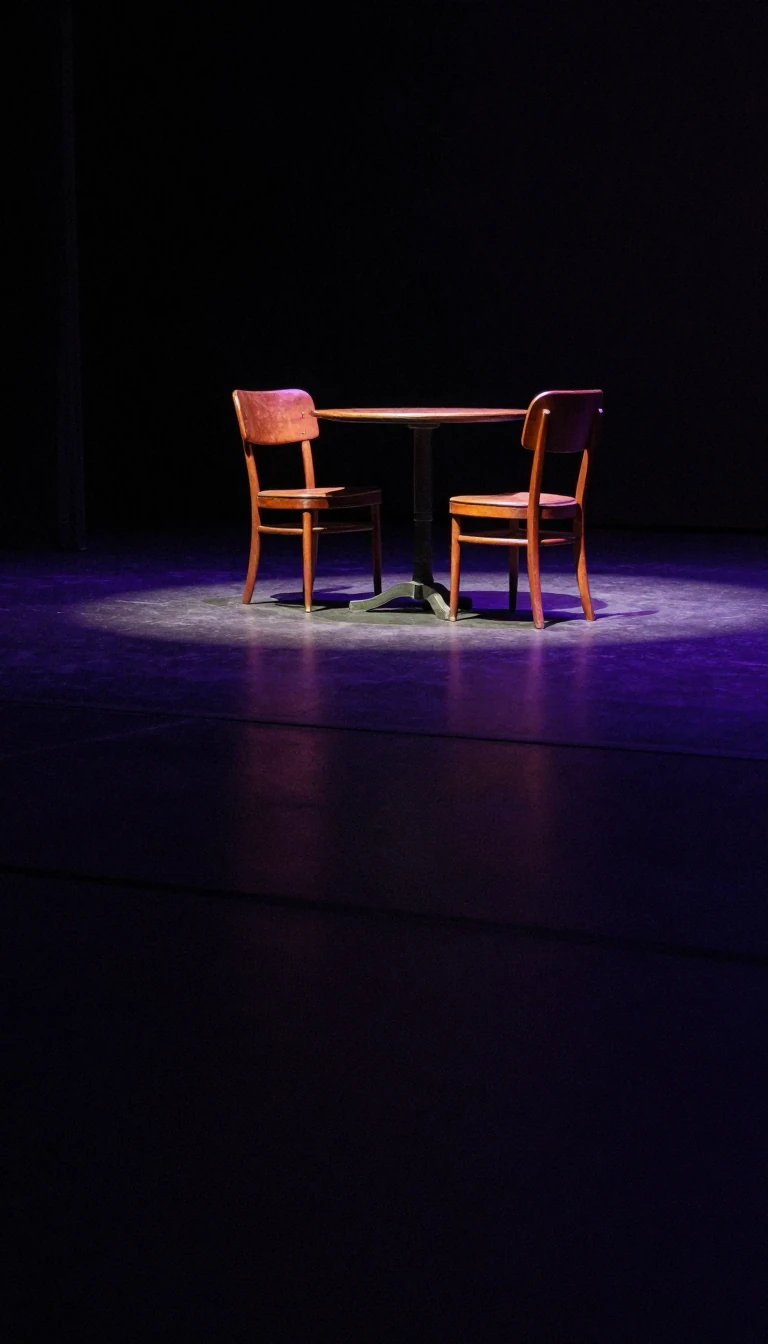
In short: Marionettes are more than simple string-pulled figures. By stripping away the actor's personality, these puppets force audiences to project their own inner lives onto the stage. This unique, impersonal medium creates a powerful, cathartic connection that has persisted from ancient ritual magic to modern avant-garde theater and opera.
The marionette, a figure manipulated from above by strings or threads, represents a primitive human instinct to act out our desires. While the term 'marionette' likely derives from 'little Mary'—referencing medieval French depictions of the Virgin Mary—the practice itself is far older. Written records trace puppetry to 5th-century BC Greece, but archaeological evidence suggests string-controlled figures existed in Egypt as early as 2000 BC. Whether used in ritual magic, fertility rites, or theatrical storytelling, the puppet has evolved alongside human drama for millennia.
The true power of the marionette lies in its impersonality. Unlike human actors, who project their own personality, a puppet acts as a type. This lack of individual ego requires the audience to work harder, using their sympathetic imagination to fill the void. Spectators often report seeing expressions change on a puppet's face, a psychological projection where the viewer lends their own laughter, tears, or fears to the inanimate object. This effect is profoundly cathartic, allowing audiences to witness aggressive or shocking acts—like those in traditional Punch-and-Judy shows—without the horror they would feel if performed by humans.
Beyond its psychological impact, the marionette has served diverse cultural functions. Among the Bamana people of Mali, puppets teach social and political lessons to youth, while in 18th-century Europe, composers like Haydn and Gluck created operas specifically for them. In the 20th century, artists like Alexandra Exter used marionettes to explore themes of mechanization and abstraction, as seen in her 1926 'Robot' sculpture. Whether it is the Sicilian 'opera of the puppets' or a contemporary performance, the marionette remains a complex, labor-intensive art form that transcends its simple mechanical origins to touch on universal human truths.
While some critics argue that the puppet is merely a toy, its historical and artistic significance is undeniable. From the 'string-puller' show-managers of India to the elaborate marionette theaters of the UK and Austria, the medium has proven remarkably resilient. It is a testament to the enduring appeal of the puppet that, despite the rise of modern technology, audiences still find themselves captivated by the delicate, deliberate movements of a figure suspended by threads.
Opens the Intellect+ feed with this card first. Swipe up for the next one.
Sources
- Summary by Intellect · source: Marionette | Puppetry, Strings, Manipulation | Britannica
- Also: Marionette
- Also: Marionette Figure
- Also: Robot
To cite this card, link to https://intellectplus.co.uk/app/art-marionette.
How we source, check and correct cards: Editorial standards.
General information, not professional advice. Spotted an error? Flag the card or see corrections and complaints.
Intellect Plus is a visual educational discovery platform for exploring fascinating facts and ideas. Brain Food, Not Brain Rot. What is Intellect Plus?
Related
More in Performing arts · More in Art · Latest · A–Z · All topics
