Marina Abramović turned her own body into a site of visceral, endurance-based artistic exploration.
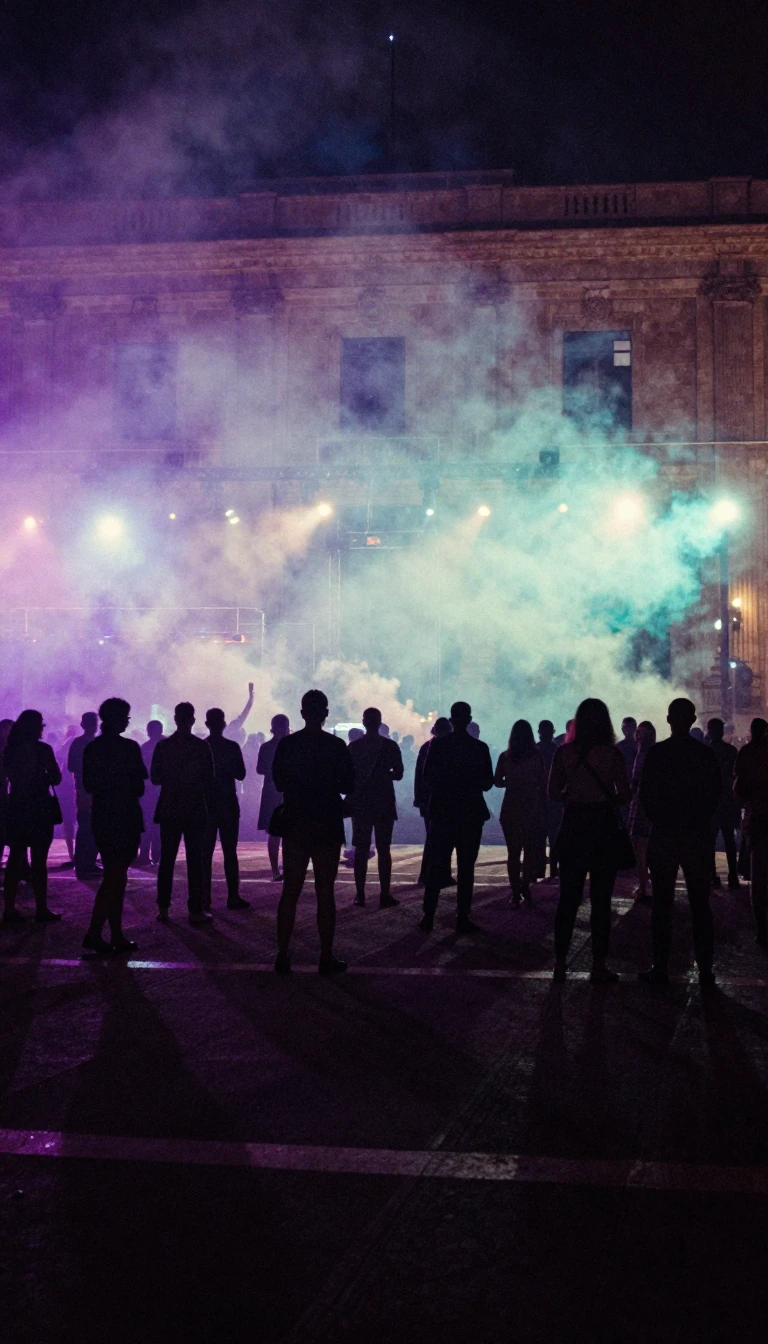
In short: Known as the grandmother of performance art, Marina Abramović spent decades testing the limits of human consciousness. By treating her body as both subject and medium, she transformed the act of performance into a perilous, spiritual, and often controversial interrogation of identity, pain, and the presence of the observer.
Born in Belgrade in 1946 to parents who were Yugoslav Partisans, Abramović began her formal training at the Academy of Fine Arts in Belgrade in 1965. Her early work, such as the 1973 piece Rhythm 10, involved methodical, self-inflicted injury to explore the relationship between past and present. In this performance, she used ten knives to jab at the spaces between her fingers, recording the sounds to replicate her movements and mistakes later. This early experimentation established a lifelong fascination with pushing the body beyond its normal physical constraints.
Her career is defined by high-stakes encounters with the audience. In the 1974 performance Rhythm 0, she stood immobile for six hours alongside 72 objects—including a loaded gun—inviting the public to use them on her as they pleased. Later, during her collaboration with the German artist Ulay, she explored gender and intimacy through works like Imponderabilia (1977), where the pair stood naked in a narrow museum entrance, forcing visitors to squeeze between them. Their partnership concluded in 1988 with a symbolic walk across the Great Wall of China, where they met in the middle to part ways.
In the 21st century, Abramović shifted her focus to the legacy of performance art, which traditionally lacked a life beyond its original staging. Through Seven Easy Pieces (2005) and her 2010 MoMA retrospective, The Artist Is Present, she pioneered the concept of 'reperformance' to preserve the genre's history. During the MoMA exhibition, she sat motionless for seven hours daily over three months, gazing at visitors who took turns sitting opposite her. This endurance test solidified her status as a global cultural icon, bridging the gap between avant-garde performance and mainstream celebrity.
Opens the Intellect+ feed with this card first. Swipe up for the next one.
Sources
- Summary by Intellect · source: Marina Abramovic | Biography, Facts, The Artist Is Present, & Art | Britannica
- Also: Marina Abramović
To cite this card, link to https://intellectplus.co.uk/app/art-marina-abramovi.
How we source, check and correct cards: Editorial standards.
General information, not professional advice. Spotted an error? Flag the card or see corrections and complaints.
Intellect Plus is a visual educational discovery platform for exploring fascinating facts and ideas. Brain Food, Not Brain Rot. What is Intellect Plus?
Related
More in Visual artists · More in Art · Latest · A–Z · All topics
