How Max Reinhardt Transformed the Director From a Mere Manager Into a Creative Visionary
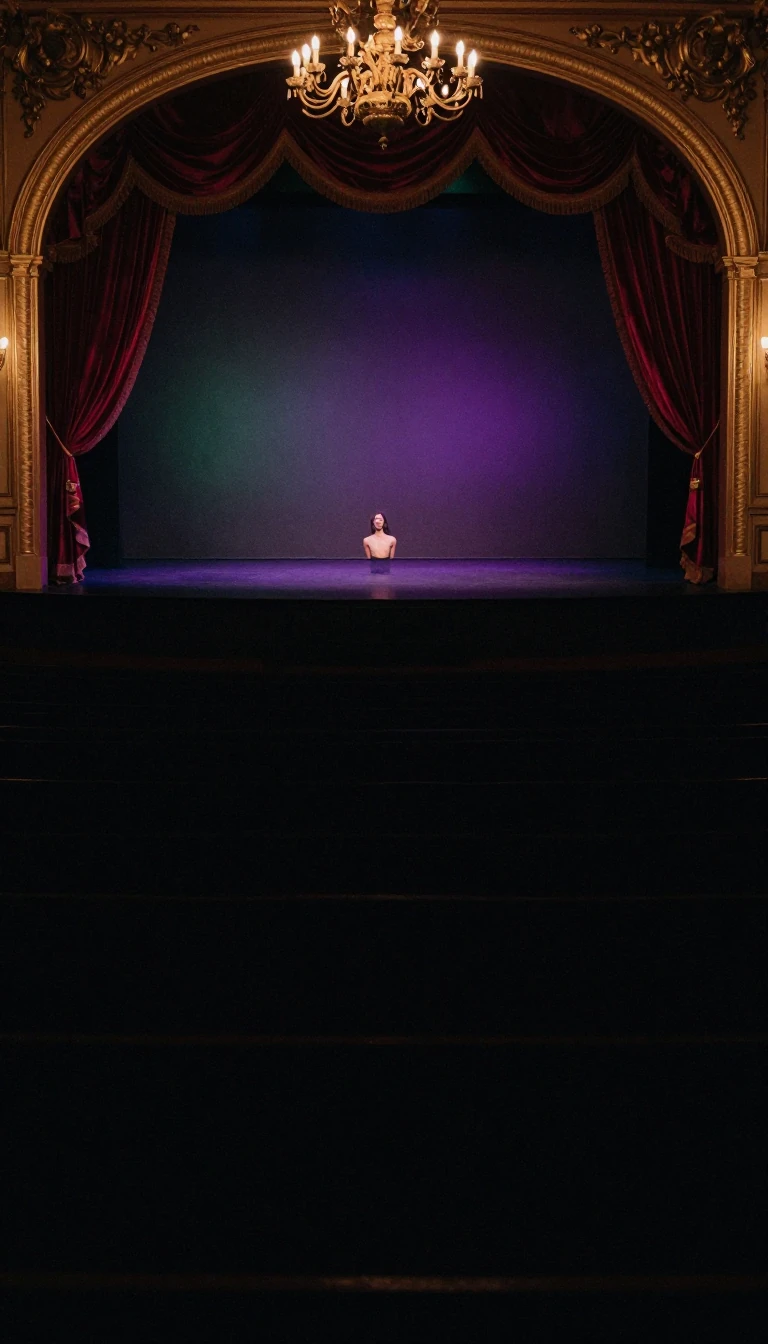
In short: Before the early 20th century, the director was often a background figure. Max Reinhardt changed that, turning the role into the heartbeat of theatrical production. By experimenting with space, technology, and audience participation, he redefined how stories are told on stage, leaving behind a legacy of meticulous, annotated promptbooks.
Born Maximilian Goldmann in 1873 near Vienna, Max Reinhardt became a titan of the stage, instrumental in shifting the director from a functional manager to the primary creative force in theater. His approach was defined by a restless desire to break the fourth wall, drawing inspiration from ancient Greek and medieval traditions to foster a sense of social participation. By the time he moved to Berlin in 1894 to join the Deutsches Theater ensemble, he was already laying the groundwork for a career that would span decades and continents.
Reinhardt’s methodology is best preserved in his extensive collection of promptbooks—master scripts that served as the blueprints for his productions. These documents are far more than mere dialogue; they are dense with technical cues for lighting, sound, and movement, alongside detailed sketches of costumes and stage geometry. These notations reveal how he manipulated the physical environment to create immersive experiences, such as his 1920 open-air production of Everyman at the Salzburg Festival, which utilized the cathedral square and the Alps as a natural, dramatic backdrop.
His influence extended into the avant-garde, most notably through his 1917 production of Reinhard Sorge’s Der Bettler. By strictly adhering to Sorge’s directions, Reinhardt became the first director to present a play in a fully Expressionist style, a move that helped birth Expressionism in both theater and film. Despite his international acclaim, his life was marked by the upheaval of the 20th century. Forced to flee the Nazi regime in 1938, he eventually settled in the United States, where he directed his only American film, A Midsummer Night's Dream, before his death in 1943. Today, his archives serve as a vital record of a man who treated the stage as a living, breathing laboratory for human expression.
Opens the Intellect+ feed with this card first. Swipe up for the next one.
Sources
- Summary by Intellect · source: The Max Reinhardt Archives and Library | Libraries | Binghamton University
- Also: Max Reinhardt
To cite this card, link to https://intellectplus.co.uk/app/art-max-reinhardt.
How we source, check and correct cards: Editorial standards.
General information, not professional advice. Spotted an error? Flag the card or see corrections and complaints.
Intellect Plus is a visual educational discovery platform for exploring fascinating facts and ideas. Brain Food, Not Brain Rot. What is Intellect Plus?
Related
More in Filmmakers and theatre directors · More in Art · Latest · A–Z · All topics
