From Steam-Powered Elephants to Galactic Titans: The Evolution of Piloted Mecha
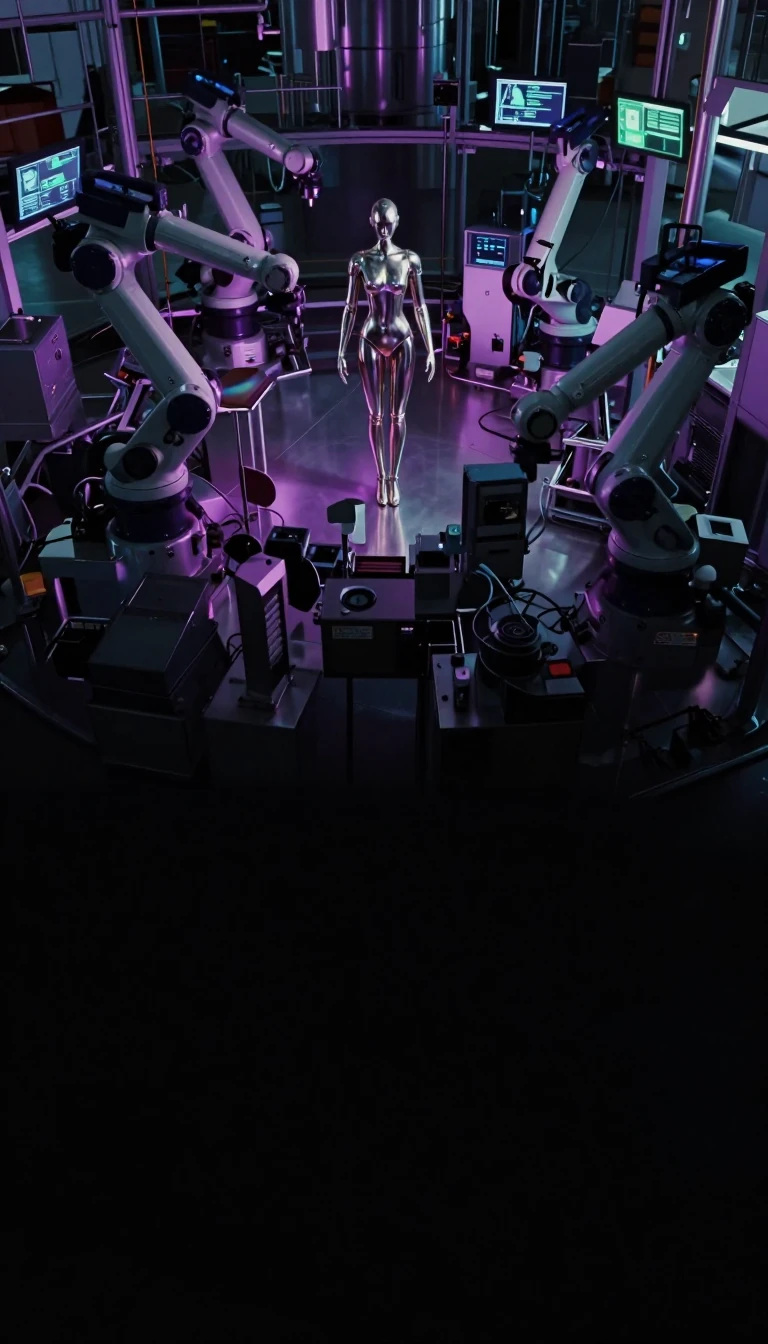
In short: Mecha are more than just giant robots; they are biomorphic, piloted machines that blur the line between vehicle and warrior. While often associated with Japanese anime, their roots stretch back to 19th-century literature. Today, these fictional icons are increasingly becoming reality through experimental engineering and massive, functional prototypes.
The term mecha, an abbreviation of mechanical, originated in Japan to describe any mechanical device. In fiction, it specifically denotes large, humanoid, piloted vehicles. Unlike autonomous robots, mecha require a human pilot, typically situated within a cockpit. This genre evolved significantly through Japanese media, moving from the remote-controlled Tetsujin 28-Go in 1956 to the pilot-driven Mazinger Z in 1972. Go Nagai, the creator of Mazinger Z, famously envisioned a robot that could be driven like a car, fundamentally shifting the genre toward war machines.
Narrative subgenres further define the mecha experience. Super Robots, often one-of-a-kind machines powered by mystical energy, contrast with the Real Robot genre, which treats mecha as mass-produced, conventional military hardware. This shift toward realism, popularized by Mobile Suit Gundam in 1979, allowed for more complex, adult-oriented storytelling. Beyond combat, mecha serve diverse roles in fiction, from construction and firefighting to deep-space exploration, with some designs even incorporating biological components to interface directly with their pilots.
Real-world engineering has begun to mirror these fictional designs. Prototypes like the 2012 Kuratas, the 2016 METHOD-01, and the 2018 Gundam-inspired bipedal machine by Masaaki Nagumo demonstrate the pursuit of functional, large-scale walking vehicles. In the West, projects like the 2017 Prosthesis—a 3500 kg, four-legged electric mech—highlight the potential for mecha in competitive sports. While most remain specialized experimental projects, these machines represent a tangible bridge between the imaginative landscapes of 19th-century novels like The War of the Worlds and the advanced robotics of the modern era.
Opens the Intellect+ feed with this card first. Swipe up for the next one.
Sources
- Summary by Intellect · source: Mecha
To cite this card, link to https://intellectplus.co.uk/app/art-mecha.
How we source, check and correct cards: Editorial standards.
General information, not professional advice. Spotted an error? Flag the card or see corrections and complaints.
Intellect Plus is a visual educational discovery platform for exploring fascinating facts and ideas. Brain Food, Not Brain Rot. What is Intellect Plus?
Related
More in Concepts of fiction and narrative · More in Art · Latest · A–Z · All topics
