Can a work of art truly exist in isolation from its creator and history?
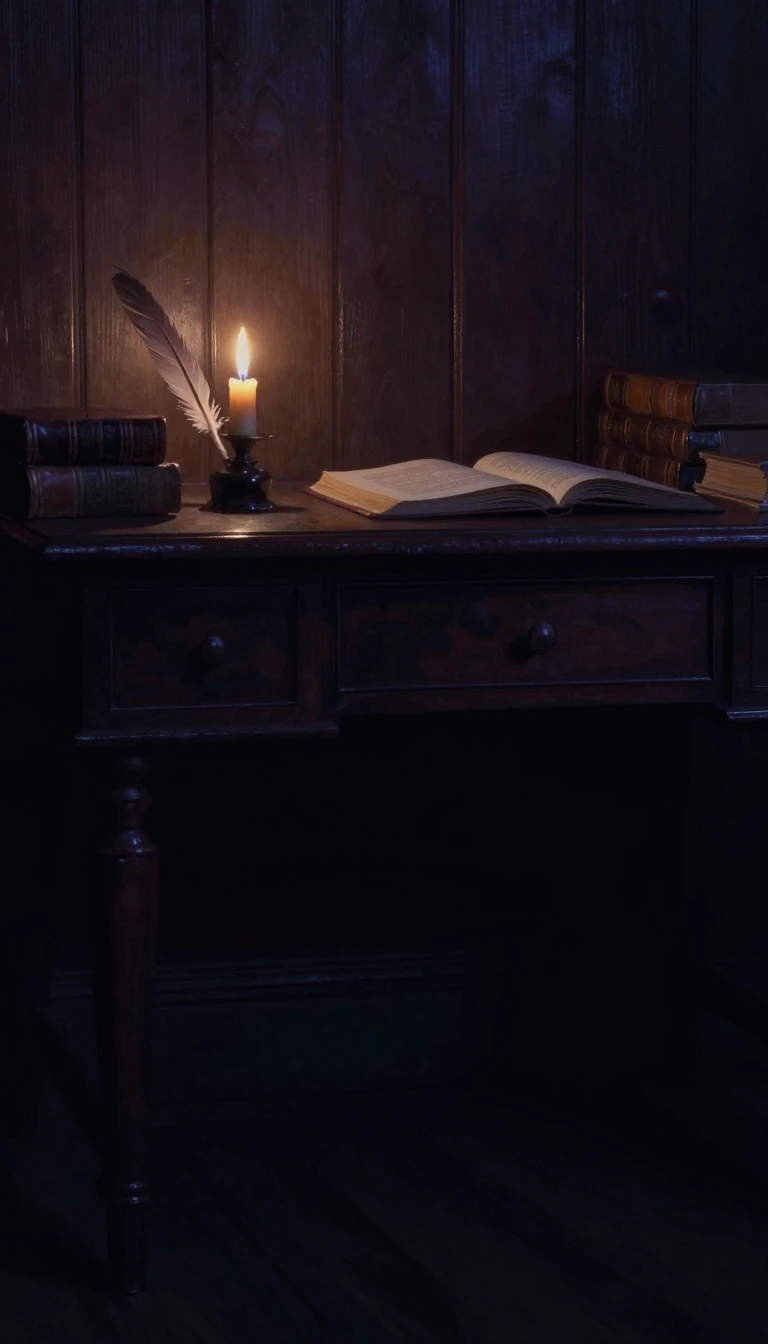
In short: New Criticism argues that a poem or text is a self-contained universe, demanding we ignore the author's intent, historical context, and our own emotional reactions. By focusing exclusively on the words on the page, this movement sought to transform literary study into a rigorous, objective, and systematic scientific discipline.
Emerging after World War I, New Criticism redefined literary analysis by insisting that the intrinsic value of a work resides solely within the text itself. Figures like I.A. Richards and William Empson pioneered this approach, which was later formalized by John Crowe Ransom in his 1941 book, The New Criticism. The movement rejected the traditional practice of using biographical or historical data to interpret literature, viewing such external factors as distractions from the work's aesthetic core.
Central to this methodology is the technique of close reading, which scrutinizes the connotative values of words, metaphors, and symbols to uncover the text's unified meaning. New Critics argued that form and content are inseparable; therefore, any attempt to paraphrase a poem inevitably alters its meaning—a concept Cleanth Brooks famously termed the heresy of paraphrase. By identifying elements like paradox, ambiguity, and irony, critics aimed to establish a single, objective interpretation of a work, treating it as an independent unit of meaning.
The movement also introduced the concepts of the intentional fallacy and the affective fallacy, which respectively dismiss the author's intended meaning and the reader's personal emotional response as invalid analytical tools. While this formalist approach dominated American universities from the 1950s until the 1970s, it stands in stark contrast to contemporary art practices. For instance, Shirin Neshat’s 1999 video installation Rapture is deeply informed by the social, political, and psychological dimensions of its context. Unlike the New Critical ideal of an isolated object, Neshat’s work invites viewers to engage with the complex gender politics of Islam, demonstrating how art often functions as a dialogue between the creator, the viewer, and the world beyond the frame.
Ultimately, New Criticism sought to elevate literary study by treating poetry as a unique form of discourse, distinct from the language of science or philosophy. Although it was eventually eclipsed by structuralism and other theories, its legacy remains in the rigorous close-reading techniques still taught in classrooms today, even as modern art continues to challenge the notion that a work can ever be truly detached from its origins.
Opens the Intellect+ feed with this card first. Swipe up for the next one.
Sources
- Summary by Intellect · source: Rapture
- Also: New Criticism | Literary Theory, Textual Analysis & Poetry | Britannica
- Also: New Criticism
To cite this card, link to https://intellectplus.co.uk/app/art-new-criticism.
How we source, check and correct cards: Editorial standards.
General information, not professional advice. Spotted an error? Flag the card or see corrections and complaints.
Intellect Plus is a visual educational discovery platform for exploring fascinating facts and ideas. Brain Food, Not Brain Rot. What is Intellect Plus?
Related
More in Literature · More in Art · Latest · A–Z · All topics
