Why literary theory is not just about reading books, but interrogating the world itself.
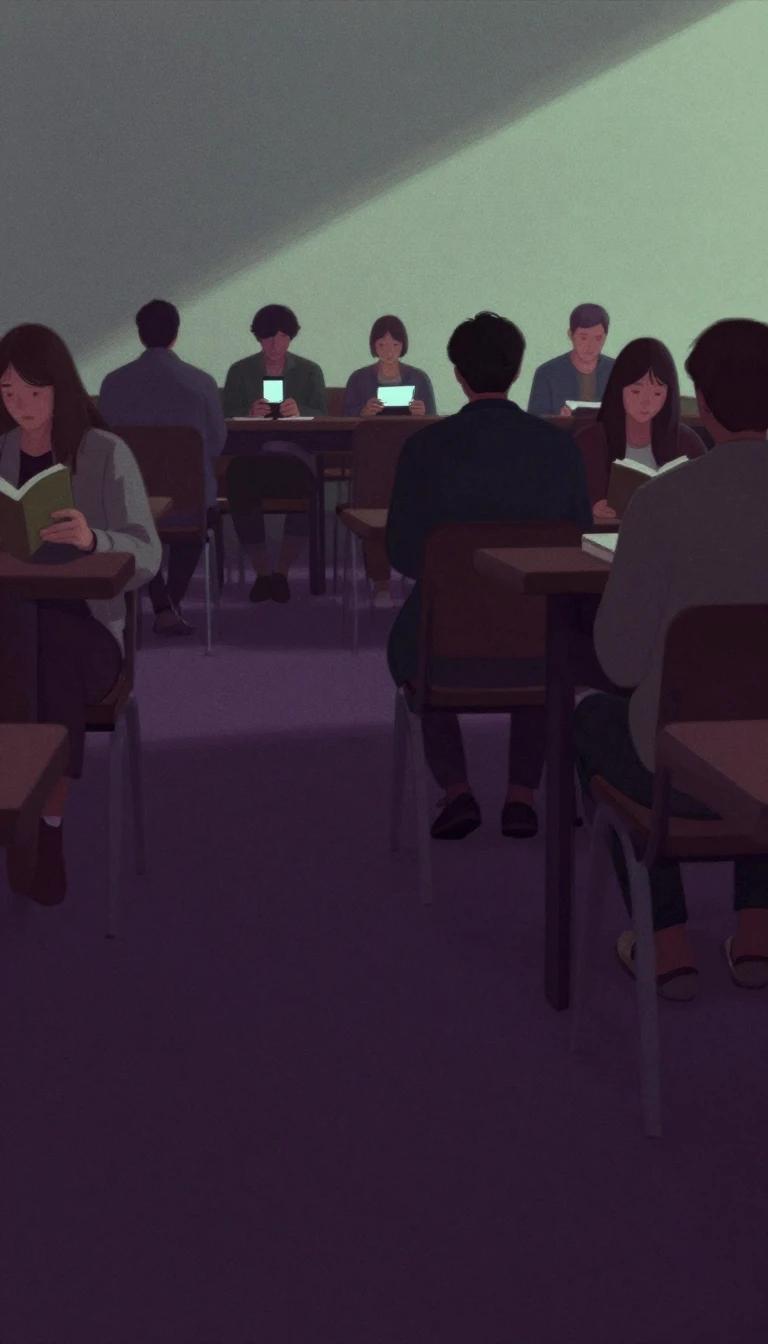
In short: Literary theory is the systematic study of how we interpret meaning. It asks fundamental questions about what literature is and how we should read it. Far from being a static field, it is a battleground of competing philosophies that treat everything from classic novels to cultural events as texts.
Literary theory traces its roots back to ancient thinkers like Aristotle, Bharata Muni, and Longinus, but it emerged as a distinct professional practice in the 20th century. At its core, the field seeks to answer what art is for and how language functions. Because theorists draw from diverse traditions—including Continental philosophy, Marxism, and semiotics—there is no single, fixed way to interpret a text. Instead, different schools of thought, such as New Criticism, deconstruction, and post-colonialism, offer competing lenses that reflect their own moral and political commitments.
A major point of contention in the field is the role of the author. Before the 20th century, an author's stated intentions were typically seen as the final word on a work's meaning. The New Criticism school challenged this, arguing for a close reading of the text itself, independent of the author's biography or goals. Later movements, including post-structuralism, pushed further by breaking down the distinction between 'literary' works and other cultural artifacts, applying the same analytical tools to film, history, and social events.
The intensity of these disagreements culminated in the 'theory wars' of the 1980s and 1990s, where scholars debated whether literature departments should focus on aesthetic appreciation or ideological critique. Today, the field continues to evolve, with contemporary scholars like N. Katherine Hayles applying literary-critical techniques to artificial intelligence. By analyzing AI-generated texts, researchers are now using these long-standing interpretive frameworks to explore the ethical implications of machine-created literature, proving that theory remains a vital, shifting tool for understanding our changing world.
Opens the Intellect+ feed with this card first. Swipe up for the next one.
Sources
- Summary by Intellect · source: Literary theory
To cite this card, link to https://intellectplus.co.uk/app/art-literary-theory.
How we source, check and correct cards: Editorial standards.
General information, not professional advice. Spotted an error? Flag the card or see corrections and complaints.
Intellect Plus is a visual educational discovery platform for exploring fascinating facts and ideas. Brain Food, Not Brain Rot. What is Intellect Plus?
Related
More in Literature · More in Art · Latest · A–Z · All topics
