How a series of brilliant guesses unlocked the secrets of Old Persian cuneiform
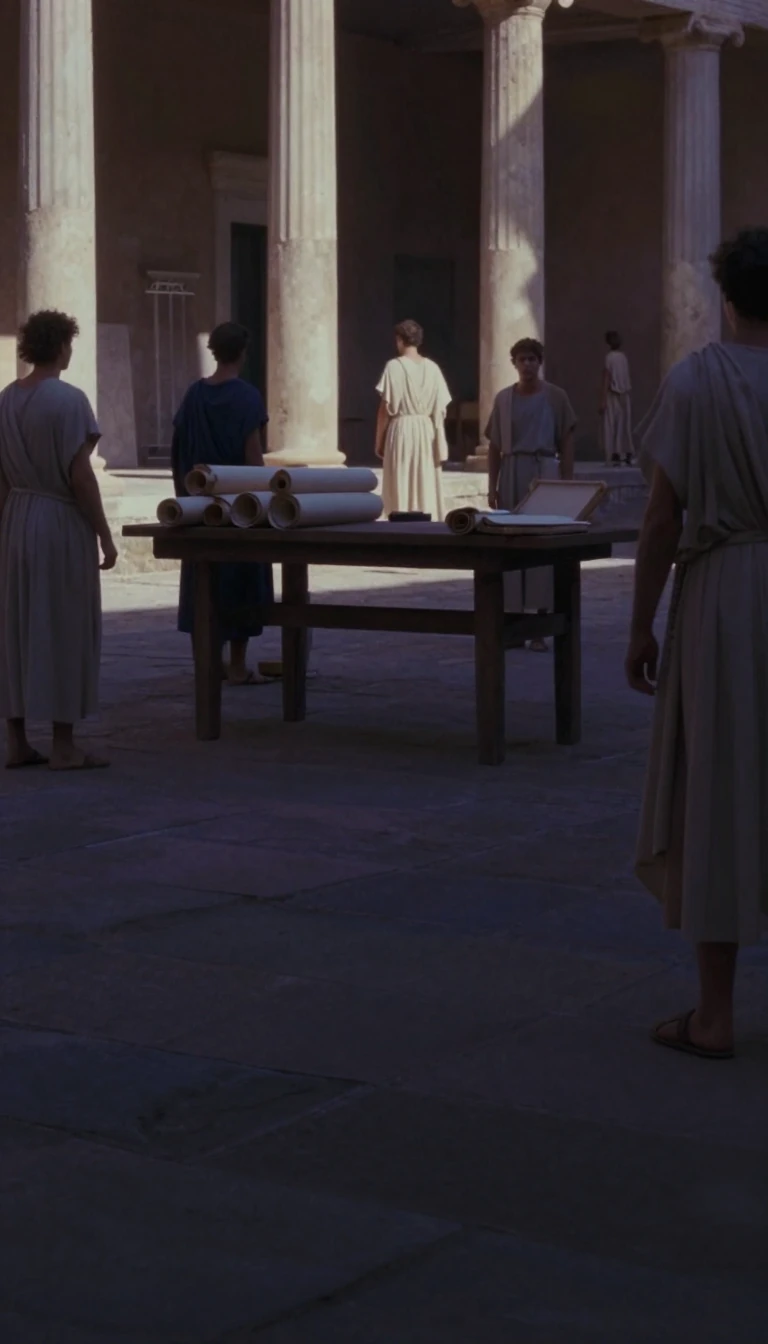
In short: Before the 19th century, the wedge-shaped inscriptions of the Achaemenid Empire were dismissed as mere decorative patterns. Through a daring process of deduction, scholars bypassed the lack of bilingual texts to identify the names of ancient kings, eventually cracking a code that had been silent for two millennia.
Old Persian cuneiform was the primary script of the Achaemenid Empire, commissioned by Darius I around 521 BC. Unlike the complex Babylonian or Elamite systems, which required hundreds of signs, the Persian script was a streamlined, semi-alphabetic system of 34 characters. It was designed for monumental inscriptions, featuring word separators for clarity, and was typically engraved on hard surfaces to mimic the strokes used on clay.
The decipherment process, spanning roughly 1800 to 1845, remains a landmark in linguistics. Without a Rosetta Stone equivalent, researchers like Friedrich Münter and Georg Friedrich Grotefend relied on historical context and structural patterns. Münter correctly identified the word for 'king' by observing recurring character sequences, while Grotefend used the genealogy of Achaemenid rulers—comparing the names of Darius the Great, his father Hystaspes, and his son Xerxes—to map phonetic values to the symbols. Despite his brilliance, Grotefend’s work was initially rejected by the academic community for nearly a generation.
Validation finally arrived in 1823 when Jean-François Champollion, fresh from his success with Egyptian hieroglyphs, confirmed the readings on a quadrilingual vase. This breakthrough provided the foundation for deciphering other cuneiform scripts, including Elamite and Babylonian. Today, we know the script encodes three vowels and twenty-two consonants, with a structure that shares some similarities with Brahmic scripts. It stands as a testament to the power of inductive reasoning in archaeology, transforming what were once considered simple friezes into a rich historical archive of the ancient world.
Opens the Intellect+ feed with this card first. Swipe up for the next one.
Sources
- Summary by Intellect · source: Old Persian cuneiform
To cite this card, link to https://intellectplus.co.uk/app/art-old-persian-cuneiform.
How we source, check and correct cards: Editorial standards.
General information, not professional advice. Spotted an error? Flag the card or see corrections and complaints.
Intellect Plus is a visual educational discovery platform for exploring fascinating facts and ideas. Brain Food, Not Brain Rot. What is Intellect Plus?
Related
More in Visual arts · More in Art · Latest · A–Z · All topics
