Old Persian was more than just a royal language for monumental inscriptions
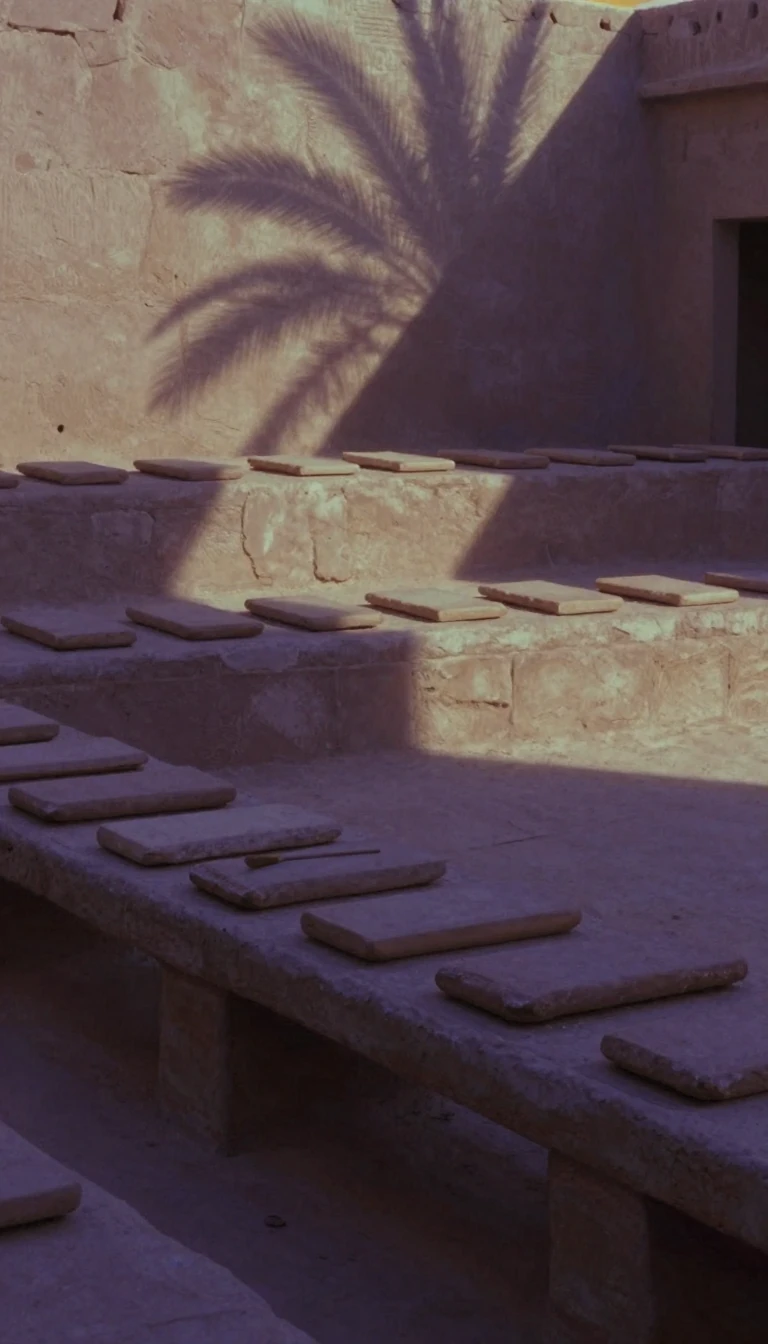
In short: Long viewed as a tool for royal display, Old Persian was actually a functional language used for daily record-keeping. Recent discoveries of administrative tablets suggest that the language of the Achaemenid Empire was deeply embedded in the routine affairs of the ancient world, far beyond the king's stone monuments.
Old Persian, an Indo-Iranian language, served as the official tongue of the Achaemenid Empire from approximately 600 BCE to 300 BCE. While it is famously attested in monumental inscriptions like the Behistun Inscription of 522 BCE, scholars have long debated its broader utility. The discovery of administrative tablets at the University of Chicago in 2007 shifted this perspective, revealing that the language was used for practical documentation and daily activities during the empire's peak.
The language itself is a direct ancestor of Middle Persian and, eventually, New Persian. Unlike its modern descendant, Old Persian was highly inflected, featuring three grammatical genders—masculine, feminine, and neuter—and three numbers: singular, dual, and plural. Its unique cuneiform script, consisting of 36 phonetic characters and 8 logograms, was likely a deliberate creation of the 6th century BCE rather than a direct evolution of Mesopotamian traditions. Some evidence suggests this writing system may have begun under Cyrus the Great before being standardized under Darius the Great.
Linguistically, Old Persian is closely related to Avestan and contains significant loanwords from Median, an extinct Iranian language that acted as a substrate. While the exact origins of the Parsuwash tribe who spoke Old Persian remain a subject of historical assumption, their language became the official medium of the Achaemenid kings. By the 4th century BCE, the language had evolved into a 'pre-Middle Persian' form, eventually simplifying its complex grammar and syntax to become the language spoken in Sassanian Iran and beyond.
The study of Old Persian remains a field of active debate, particularly regarding the precise pronunciation of certain phonemes and the origins of its script. Despite these uncertainties, it remains one of the oldest Indo-European languages with original texts, providing a vital link in the history of the Iranian language family.
Opens the Intellect+ feed with this card first. Swipe up for the next one.
Sources
- Summary by Intellect · source: Old Persian
- Also: Wikidata — Old Persian · CC0
- Also: Wikidata — Old Persian · CC0
To cite this card, link to https://intellectplus.co.uk/app/places-old-persian.
How we source, check and correct cards: Editorial standards.
General information, not professional advice. Spotted an error? Flag the card or see corrections and complaints.
Intellect Plus is a visual educational discovery platform for exploring fascinating facts and ideas. Brain Food, Not Brain Rot. What is Intellect Plus?
Related
More in Cities · More in Countries & Cities · Latest · A–Z · All topics
