Why the term opera house is often a mark of prestige rather than a description
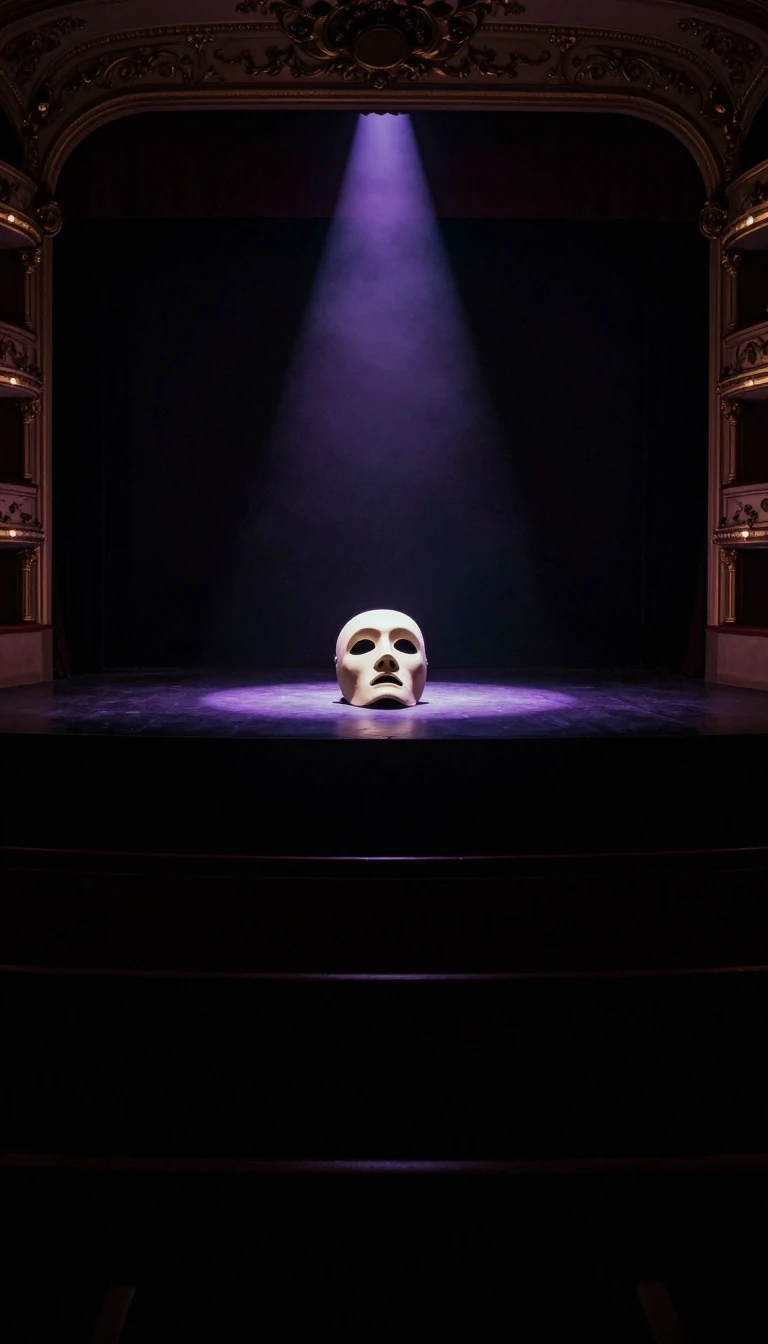
In short: While we associate these grand venues with soaring arias, the name is frequently a strategic branding tool. In many eras, calling a building an opera house was a way to claim social respectability and elevate a venue's status, even if the actual performances were far from operatic in nature.
The history of the opera house is a journey from religious ritual to secular spectacle. Ancient Greek theaters were designed for the worship of deities, often featuring musical accompaniment. By the 12th century, the Renaissance saw the rise of sung plays like the 'Jeu de Daniel,' performed by students in northern France. However, the modern concept of the opera house emerged in 17th-century Italy, marked by the inauguration of the Teatro San Cassiano in Venice in 1637, which served as the world's first public opera house.
The architecture of these spaces has long been a battle against physics. In the 1st century BC, the architect Vitruvius described a method for perfecting acoustics using brazen vases. These resonators, which Mummius brought to Rome from the demolished theater of Corinth, were placed between seats in stone buildings to strengthen and clarify the singer's voice. This technical precision was vital, as the goal was to project sound from the stage in clear, concentric circles.
The financing of these institutions has shifted alongside social structures. During the 17th and 18th centuries, opera houses were typically the domain of wealthy patrons, nobles, and rulers who used the arts to signal their political power and social standing. It was not until the 19th century that the rise of capitalism and the bourgeoisie moved Europe toward a publicly supported system. Interestingly, in the 19th-century United States, many local theaters adopted the 'opera house' label as a way to appear more dignified and avoid the moral stigma often attached to traditional theater.
Today, these venues serve diverse roles. While some are purpose-built for opera, many are part of much larger performing arts centers. In the modern era, the survival of these institutions often relies on a complex mix of government grants, private donations, and ticket sales.
Opens the Intellect+ feed with this card first. Swipe up for the next one.
Sources
- Summary by Intellect · source: Opera house
- Also: Art Institute of Chicago — Window Draperies, Opera House, Paris · CC0 (data); description CC BY 4.0
- Also: Art Institute of Chicago — National Opera House, Madrid, Spain · CC0 (data); description CC BY 4.0
To cite this card, link to https://intellectplus.co.uk/app/art-opera-house.
How we source, check and correct cards: Editorial standards.
General information, not professional advice. Spotted an error? Flag the card or see corrections and complaints.
Intellect Plus is a visual educational discovery platform for exploring fascinating facts and ideas. Brain Food, Not Brain Rot. What is Intellect Plus?
Related
More in Cultural venues · More in Art · Latest · A–Z · All topics
