Why a royal couple's neglected opera house became a world-class architectural treasure
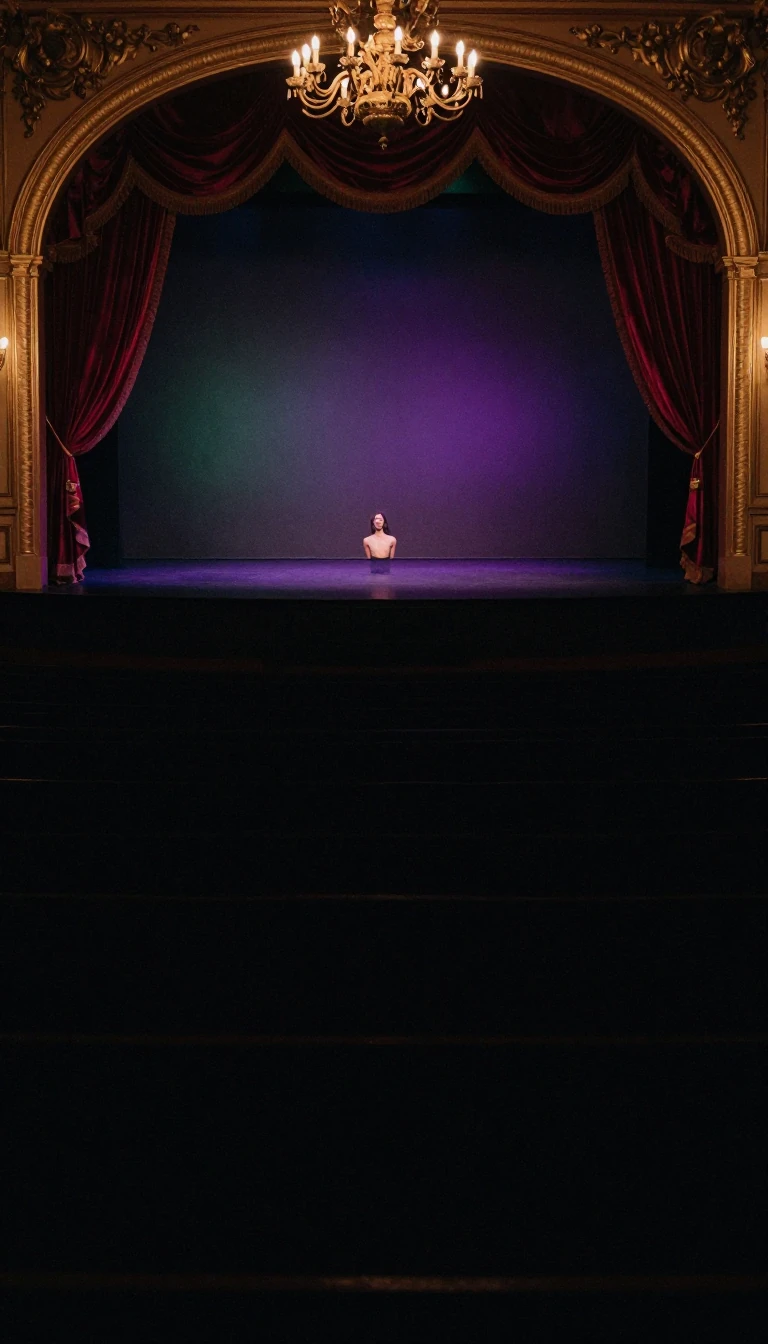
In short: Built between 1745 and 1750, the Margravial Opera House in Bayreuth is a rare survivor of the Baroque era. While its royal founders rarely used their own ornate box, the building's eventual abandonment actually helped preserve its intricate wooden interior, leading to its designation as a UNESCO World Heritage site.
Commissioned by Margrave Frederick of Brandenburg-Bayreuth and Princess Wilhelmine of Prussia, the opera house was designed by French architect Joseph Saint-Pierre. Its exterior, featuring a sandstone façade with Corinthian columns, was intended to harmonize with the local streetscape while referencing the grandeur of Paris’s Place Vendôme. The interior, however, represents a masterclass in Italian Late Baroque design, crafted by Giuseppe Galli Bibiena and his son Carlo. The auditorium, shaped like a bell, features a trompe-l'œil ceiling and gold-accented wood, with some surfaces cleverly utilizing painted canvas to enhance acoustics and prevent structural cracking.
The theatre’s history is deeply tied to the personal ambitions of Princess Wilhelmine, an accomplished composer, director, and actor who established the local theatre company in 1737. The opera house was inaugurated for her daughter’s wedding, yet the royal couple often preferred sitting in the front row rather than the highly ornamented Court Loge. Following Wilhelmine’s death in 1758, the theatre fell into disuse. Ironically, this period of neglect proved to be the building's salvation, as it prevented the modernization or destruction that claimed many other 18th-century theatres.
The site’s architectural significance was formally recognized by UNESCO on 30 June 2012. Its massive stage depth of 27 meters famously drew Richard Wagner to Bayreuth in 1872, influencing his decision to establish his own festival center in the town. After closing for extensive refurbishment in October 2012, the theatre reopened in April 2018. Today, it stands as a testament to the artistic patronage of the House of Brandenburg, preserved not just as a museum piece, but as a space that continues to host Baroque festivals and performances.
Opens the Intellect+ feed with this card first. Swipe up for the next one.
Sources
- Summary by Intellect · source: Margravial Opera House
- Also: Wikidata — Margravial Opera House · CC0
To cite this card, link to https://intellectplus.co.uk/app/places-margravial-opera-house.
How we source, check and correct cards: Editorial standards.
General information, not professional advice. Spotted an error? Flag the card or see corrections and complaints.
Intellect Plus is a visual educational discovery platform for exploring fascinating facts and ideas. Brain Food, Not Brain Rot. What is Intellect Plus?
Related
More in World Heritage Sites · More in Countries & Cities · Latest · A–Z · All topics
