Why your handwriting is a feat of motor memory, not visual guidance
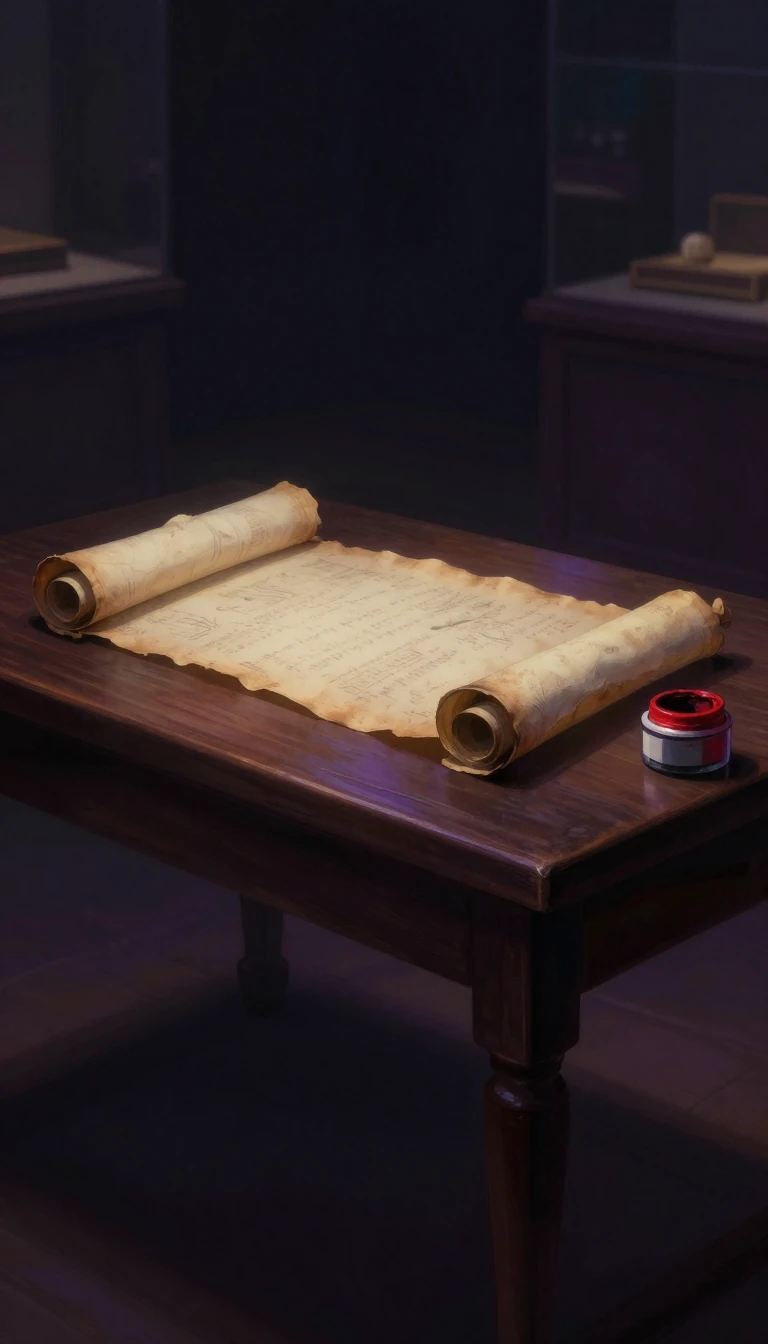
In short: Handwriting is far more than a simple manual task. It is a complex, automated motor program stored in your brain, relying on sensory feedback from your joints and muscles rather than your eyes. Discover how this ancient human skill evolved from clay tablets to the sophisticated art form practiced today.
The history of penmanship is a story of evolving technology and efficiency. It began with Sumerian cuneiform around 3200 BC, where sharpened reeds pressed into wet clay transformed pictographs into syllabic systems. As writing surfaces shifted to papyrus and parchment, scripts became more cursive to accommodate speed. By the eighth century AD, Charlemagne commissioned Alcuin of York to standardize handwriting, resulting in the Carolingian minuscule, which forms the basis for most modern European lowercase letters.
The transition to the printing press fundamentally altered penmanship. Gothic script, once the dominant style, became the model for Gutenberg’s first typeface, while the Italian Renaissance birthed the humanist minuscule, which eventually evolved into the slanted Italic typeface. The invention of copperplate engraving in the sixteenth century further revolutionized the field, allowing for the mass production of copybooks that standardized elegant flourishes and professional penmanship techniques across Europe and the United States.
Beyond its history, handwriting is a marvel of neurobiology. It requires the coordinated movement of the hand, wrist, elbow, and shoulder. Research into individuals with peripheral deafferentation reveals that the process is largely driven by proprioceptive feedback—the brain's internal model of limb position—rather than visual monitoring. When we write, we rely on motor programs stored in memory, adjusting for friction and pressure through sensory input from the skin and joints. This explains why handwriting remains a deeply personal, automated skill, distinct from the visual art of calligraphy.
Today, penmanship remains a contested space between tradition and utility. While Western education has moved toward various standardized methods like Zaner-Bloser or D’Nealian, Eastern traditions, particularly in China and Japan, continue to treat handwriting as a high art form. Despite the rise of digital technology, the study of graphonomics continues to explore the mechanics of how we form characters, proving that the act of writing by hand remains a uniquely human achievement.
Opens the Intellect+ feed with this card first. Swipe up for the next one.
Sources
- Summary by Intellect · source: Penmanship
To cite this card, link to https://intellectplus.co.uk/app/art-penmanship.
How we source, check and correct cards: Editorial standards.
General information, not professional advice. Spotted an error? Flag the card or see corrections and complaints.
Intellect Plus is a visual educational discovery platform for exploring fascinating facts and ideas. Brain Food, Not Brain Rot. What is Intellect Plus?
Related
More in Visual arts · More in Art · Latest · A–Z · All topics
