Why Pointillism was originally a cruel joke that became a revolutionary art movement
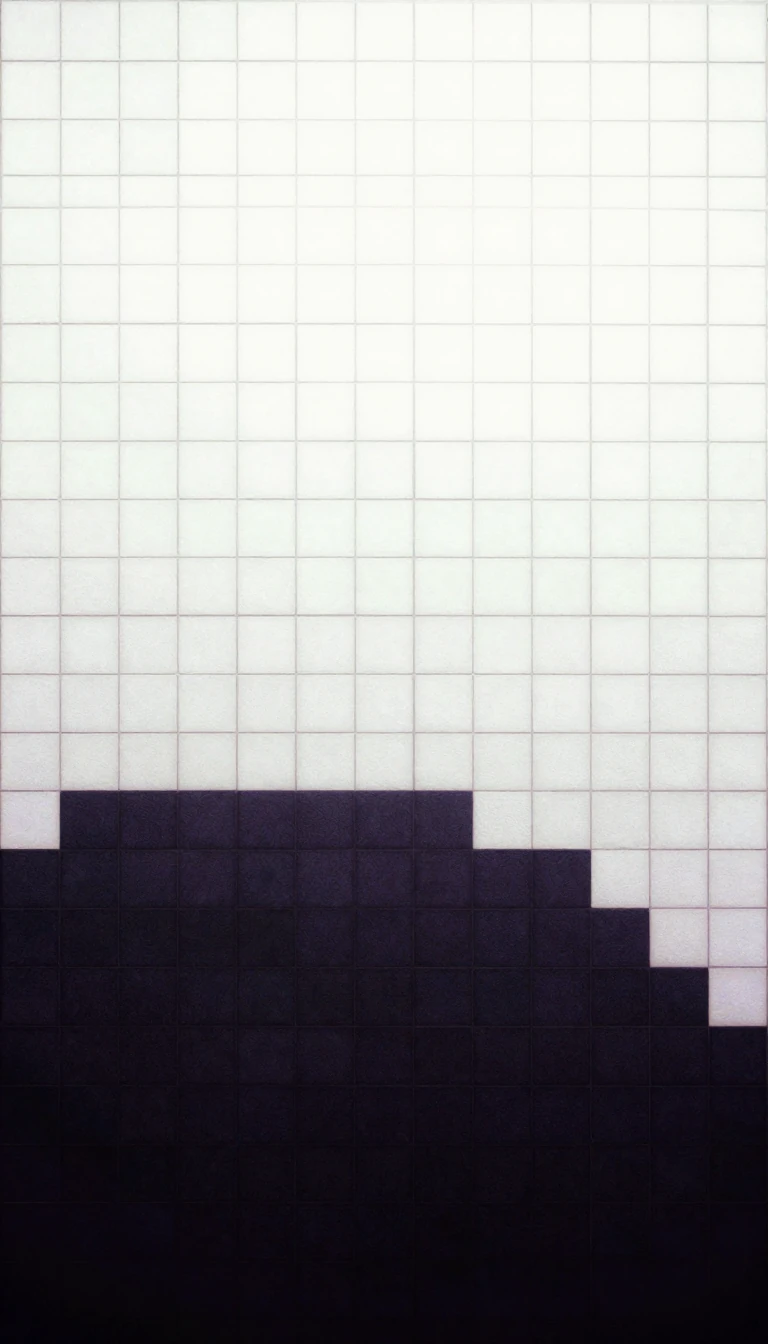
In short: Born from a desire to move beyond Impressionism, Pointillism replaced fluid brushstrokes with thousands of tiny, distinct dots. Though critics initially coined the term to mock the technique, this systematic approach to color theory fundamentally changed how we understand the relationship between the viewer's eye and the canvas.
Developed in 1886 by Georges Seurat and Paul Signac, Pointillism emerged as a branch of Impressionism that prioritized scientific precision over traditional blending. Unlike conventional methods where pigments are mixed on a palette, Pointillists applied small, distinct dots of color directly onto the canvas. This technique relies on the viewer's eye and mind to optically blend these spots into a cohesive image, a process analogous to the modern four-color CMYK printing used in presses or the RGB pixels on a computer monitor.
The movement is closely linked to Divisionism, a more technical variant focused on color theory, whereas Pointillism emphasizes the specific style of brushwork. Because subtractive mixing of pigments is avoided, Pointillist works often appear brighter than traditional paintings, an effect potentially enhanced by the white canvas visible between the dots. While Seurat’s masterpiece, A Sunday on La Grande Jatte—1884, remains the most famous example, the style was also adopted by artists like Henri-Edmond Cross and Georges Lemmen, the latter of whom successfully applied the rigid method to capture psychological depth in portraiture.
The term itself was originally intended as a pejorative by art critics in the late 1880s, though it has since lost its mocking connotation. The influence of the style extended far beyond the visual arts, eventually inspiring a 20th-century musical movement known as punctualism or klangfarbenmelodie. In this musical form, notes are played in isolation rather than in linear sequences, mirroring the fragmented, dot-like texture of a Seurat painting. Today, the technique is rarely practiced in its original form, yet its legacy persists in everything from contemporary Indigenous Australian dot painting to the digital screens we look at every day.
Opens the Intellect+ feed with this card first. Swipe up for the next one.
Sources
- Summary by Intellect · source: Pointillism
- Also: Portrait of the Artist's Sister
To cite this card, link to https://intellectplus.co.uk/app/art-pointillism.
How we source, check and correct cards: Editorial standards.
General information, not professional advice. Spotted an error? Flag the card or see corrections and complaints.
Intellect Plus is a visual educational discovery platform for exploring fascinating facts and ideas. Brain Food, Not Brain Rot. What is Intellect Plus?
Related
More in Visual arts · More in Art · Latest · A–Z · All topics
