Why early photographers fought to make their cameras act like paintbrushes
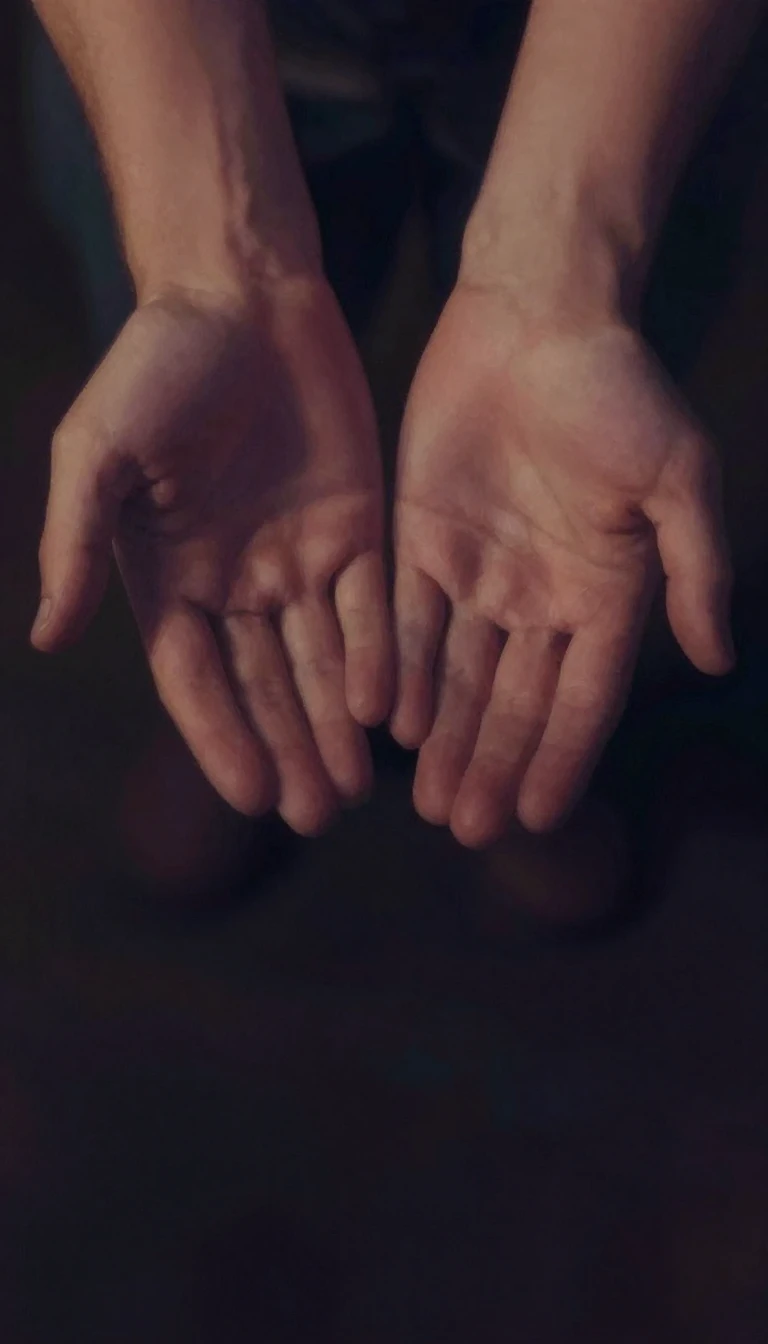
In short: In the late 19th century, photography was dismissed as a mere scientific record. To prove it was fine art, a movement called Pictorialism emerged. These photographers manipulated negatives and used specialized printing techniques to create moody, expressive images that looked more like paintings than simple snapshots of reality.
Pictorialism began in the late 1860s, driven by a desire to elevate photography beyond its role as a technical tool. Figures like Henry Peach Robinson argued that the camera could serve as an instrument for artistic expression, much like a chisel or paintbrush. By the 1880s, photographers like Peter Henry Emerson were pushing this further, drawing inspiration from Impressionist painters and the Barbizon school to capture atmospheric effects through deliberate focus and tonal control.
The movement was defined by a rejection of the straightforward, sharp-focused image. Practitioners often employed labor-intensive methods, such as hand-working negatives or using chemical processes like gum bichromate and gum bromoil, to ensure each print was unique. These techniques allowed photographers to introduce visible brushstrokes or soft, painterly textures. Organizations such as the Linked Ring in Britain, the Photo Club of Paris, and the Photo-Secession in the United States were instrumental in mounting exhibitions that showcased these works as high art.
While the movement thrived through the early 20th century, it faced a decline by the late 1920s as Modernism gained traction. The public interest shifted toward the crisp, sharp-focused aesthetic championed by photographers like Paul Strand and Edward Weston. Despite this transition, Pictorialism remains a critical chapter in art history, representing a period where the boundary between the mechanical image and the artist's hand was intentionally blurred to secure photography’s place in the museum.
The debate over photography's status was not merely aesthetic but deeply cultural. As photography replaced traditional miniature portraiture, many artists found their livelihoods threatened, leading to a complex, often conflicting exchange between painters and photographers. Many key figures, including Edward Steichen and Alvin Langdon Coburn, were trained as painters, bringing a painterly sensibility to their photographic work. This reciprocal relationship ultimately helped bridge the gap between the scientific origins of the medium and its eventual acceptance as a legitimate form of fine art.
Opens the Intellect+ feed with this card first. Swipe up for the next one.
Sources
- Summary by Intellect · source: Pictorialism | History, Techniques & Examples | Britannica
- Also: Pictorialism
To cite this card, link to https://intellectplus.co.uk/app/art-pictorialism.
How we source, check and correct cards: Editorial standards.
General information, not professional advice. Spotted an error? Flag the card or see corrections and complaints.
Intellect Plus is a visual educational discovery platform for exploring fascinating facts and ideas. Brain Food, Not Brain Rot. What is Intellect Plus?
Related
More in Visual arts · More in Art · Latest · A–Z · All topics
