How Polish literature evolved from Latin chronicles to a powerhouse of national identity
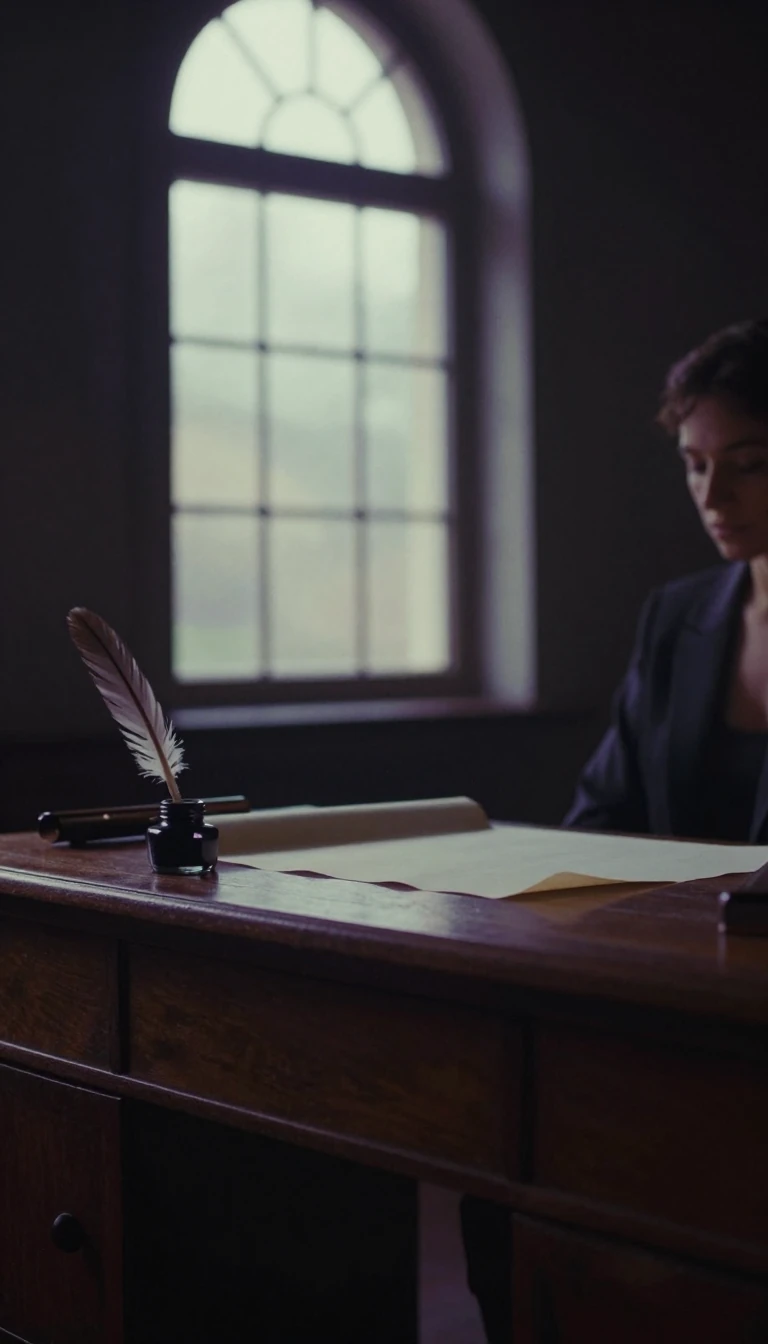
In short: Polish literature is more than a collection of books; it is a resilient mirror of a nation’s turbulent history. From its origins in medieval Latin to the golden age of the Renaissance, this tradition has consistently sustained Poland’s cultural identity, often thriving despite centuries of foreign occupation and shifting borders.
The story of Polish literature begins with the adoption of Christianity in 966 under Mieszko I. For centuries, Latin served as the primary literary language, utilized by monks and priests to record chronicles and saints' lives. Early works like the 1113 Chronicon by Gallus Anonymous established a foundation for historiography, while the 13th-century Kazania świętokrzyskie represents the earliest known Polish prose. The transition to the vernacular was gradual, marked by the 1407 manuscript of the song Bogurodzica and the 1455 Bible of Queen Sophia.
The Renaissance ushered in a golden age, fueled by the founding of the University of Kraków in 1364. Mikołaj Rej, known as the father of Polish literature, championed the Polish language, while Jan Kochanowski elevated it to European standards. His 1580 work, Treny, remains a masterpiece of lyrical expression. This period saw writers like Andrzej Frycz-Modrzewski and Szymon Szymonowic adapt foreign models to the native tradition, blending classical humanism with local concerns.
Throughout its history, Polish literature has been defined by its response to external pressures. Unlike Romanticism in other parts of Europe, the Polish movement was a vehicle for independence. Later, the 20th century brought both tragedy and global recognition, with authors like Henryk Sienkiewicz, Czesław Miłosz, Wisława Szymborska, and Olga Tokarczuk earning Nobel Prizes. Today, the tradition continues to reflect the profound range of choices and challenges faced by a nation at the crossroads of Europe.
Opens the Intellect+ feed with this card first. Swipe up for the next one.
Sources
- Summary by Intellect · source: Polish literature | History, Books, Authors, Classics, & Facts | Britannica
- Also: Polish literature
To cite this card, link to https://intellectplus.co.uk/app/art-polish-literature.
How we source, check and correct cards: Editorial standards.
General information, not professional advice. Spotted an error? Flag the card or see corrections and complaints.
Intellect Plus is a visual educational discovery platform for exploring fascinating facts and ideas. Brain Food, Not Brain Rot. What is Intellect Plus?
Related
More in Literature · More in Art · Latest · A–Z · All topics
