How a medieval dreamer turned complex theology into a simple, allegorical field of folk
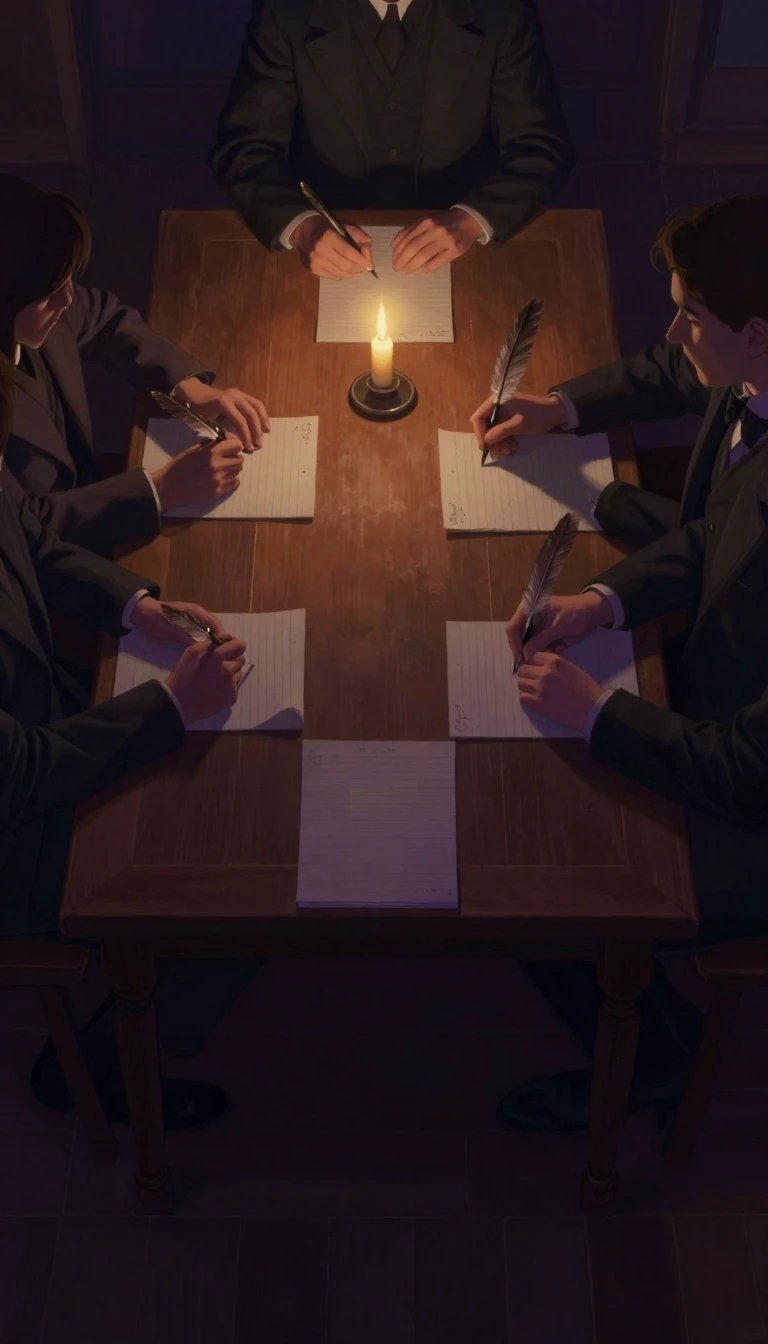
In short: Piers Plowman is a sprawling Middle English masterpiece that translates dense church doctrine into vivid, relatable symbols. Through a series of dream visions, the narrator explores the quest for a virtuous life, blending biting social satire with profound spiritual inquiry to bridge the gap between the cloister and the layman.
Presumed to be the work of William Langland, who likely lived between c. 1330 and c. 1400, Piers Plowman exists in three primary versions: A, B, and C. The A-text, dating from the 1360s, is the shortest, while the B-text—a major expansion—is the most widely studied. A fourth version, the Z-text, remains a subject of intense scholarly debate regarding its authorship and origin.
The poem follows a narrator named Will as he wanders through a 'fair field full of folk' representing humanity. His journey is structured as a series of dream visions where he encounters allegorical figures like Lady Mede, representing the corrupting influence of greed. Central to the narrative are the concepts of Do-wel, Do-bet, and Do-best, which evolve from simple moral categories into a complex meditation on the individual Christian's growth in grace, charity, and self-knowledge.
Langland’s work is celebrated for its ability to make medieval theology accessible. By utilizing colloquial language and powerful imagery, he critiqued the churchmen of his day while remaining firmly committed to Christian orthodoxy. The poem’s structure mirrors its thematic complexity, inviting readers to interpret its symbols through various lenses, including the traditional historical, allegorical, anagogical, and topological methods of scriptural analysis.
Beyond its theological weight, the poem serves as a vital historical document, offering a satirical look at 14th-century society. It contains the earliest known literary reference to the Robin Hood tradition and remains a cornerstone of Middle English literature, influencing later writers like Chaucer. Whether read as a spiritual guide or a social critique, it remains a profound exploration of what it means to live a meaningful life.
Opens the Intellect+ feed with this card first. Swipe up for the next one.
Sources
- Summary by Intellect · source: Piers Plowman | Middle English, Poem, Allegory | Britannica
- Also: Piers Plowman
To cite this card, link to https://intellectplus.co.uk/app/art-piers-plowman.
How we source, check and correct cards: Editorial standards.
General information, not professional advice. Spotted an error? Flag the card or see corrections and complaints.
Intellect Plus is a visual educational discovery platform for exploring fascinating facts and ideas. Brain Food, Not Brain Rot. What is Intellect Plus?
Related
More in Literature · More in Art · Latest · A–Z · All topics
