Pre-Columbian art was a sophisticated language of divinity, cosmology, and complex social record-keeping.
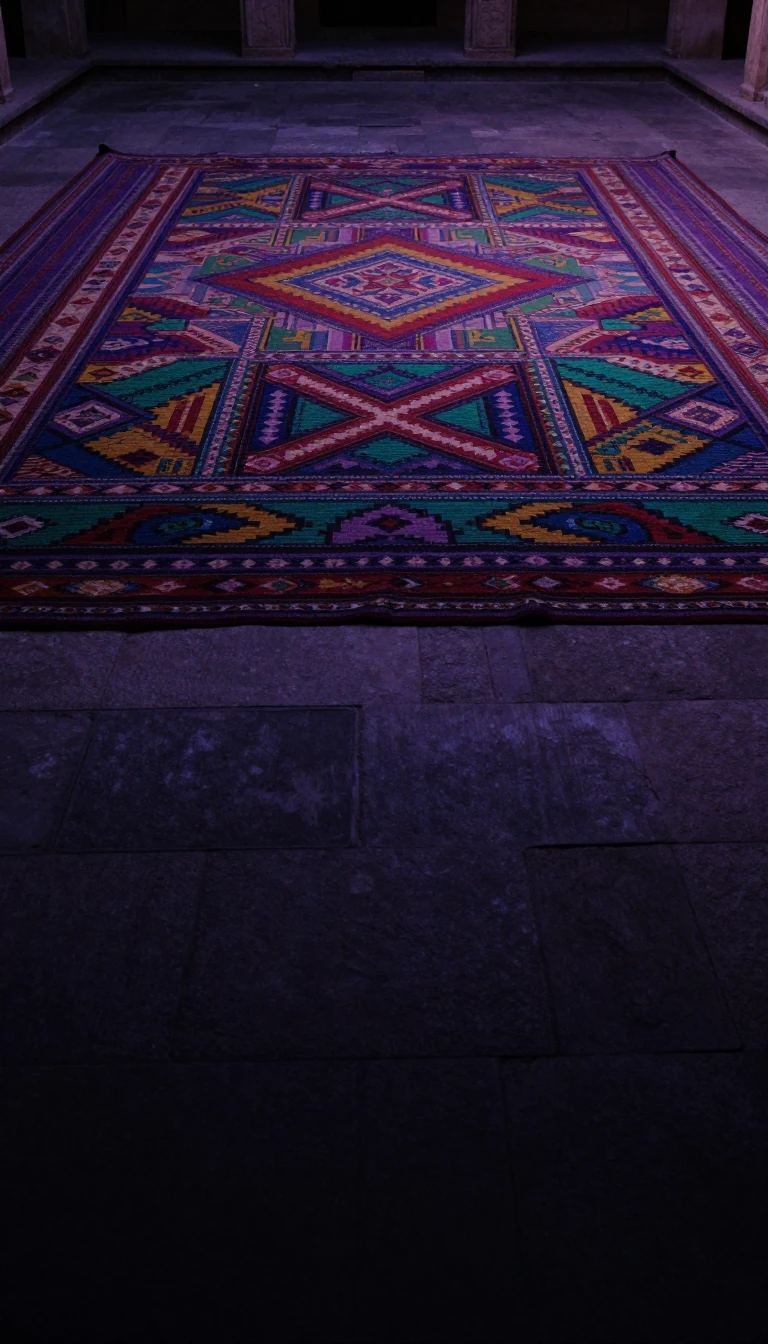
In short: Long before European arrival, indigenous civilizations across the Americas created monumental sculptures, intricate goldwork, and textiles that served as active extensions of the divine. These works were not merely decorative; they were mnemonic devices and records of power, crafted with materials prized for their rarity and inherent spiritual meaning.
Pre-Columbian art encompasses the visual culture of indigenous peoples from at least 13,000 BCE until the European conquests of the 15th and 16th centuries. Because many of these societies lacked traditional writing systems, visual arts became the primary vehicle for expressing worldviews, religious cosmologies, and historical narratives. Artisans prioritized the physical qualities of materials—such as obsidian, gold, and spondylus shells—over mere imagery, believing the substances themselves held inherent meaning. The movement of these raw materials across vast distances suggests that pre-Columbian civilizations were deeply interconnected, often valuing objects based on the difficulty of their acquisition.
In Mesoamerica, the Olmecs pioneered the tradition of large ceremonial centers and colossal stone heads, some reaching 2 meters in height, between 1200 and 400 BCE. Later, the Maya integrated hieroglyphic text directly into their art to document the achievements of royalty and secure their place in time, effectively removing the anonymity that might otherwise obscure historical records. Meanwhile, the Aztec culture emphasized naturalism to convey social values, as seen in life-sized ceramic Eagle Warrior statues that captured the youthful features of their subjects. These works were often intended as active indices of the divine, serving as extensions of their owners.
In the Andes, artistic production flourished through distinct regional styles. The Chavín civilization (c. 1000–300 BCE) influenced later cultures like the Paracas, who are renowned for elaborate burial textiles, and the Moche, who produced realistic portrait vases. The Tiwanaku empire, peaking between 375 and 700 CE, centered its religious iconography around the Staff God, a motif also adopted by the Wari. By the time of the Inca, the largest empire in the world, art had become highly abstract. Despite the destruction of most Inca gold and silver sculpture by Spanish invaders, their architectural legacy—characterized by mortarless stone blocks cut with extreme precision—remains a testament to their engineering prowess, even though the empire itself lasted only 95 years.
Opens the Intellect+ feed with this card first. Swipe up for the next one.
Sources
- Summary by Intellect · source: Pre-Columbian art
To cite this card, link to https://intellectplus.co.uk/app/art-pre-columbian-art.
How we source, check and correct cards: Editorial standards.
General information, not professional advice. Spotted an error? Flag the card or see corrections and complaints.
Intellect Plus is a visual educational discovery platform for exploring fascinating facts and ideas. Brain Food, Not Brain Rot. What is Intellect Plus?
Related
More in Visual arts · More in Art · Latest · A–Z · All topics
