How a fictional South Indian town became a global literary landmark for R. K. Narayan
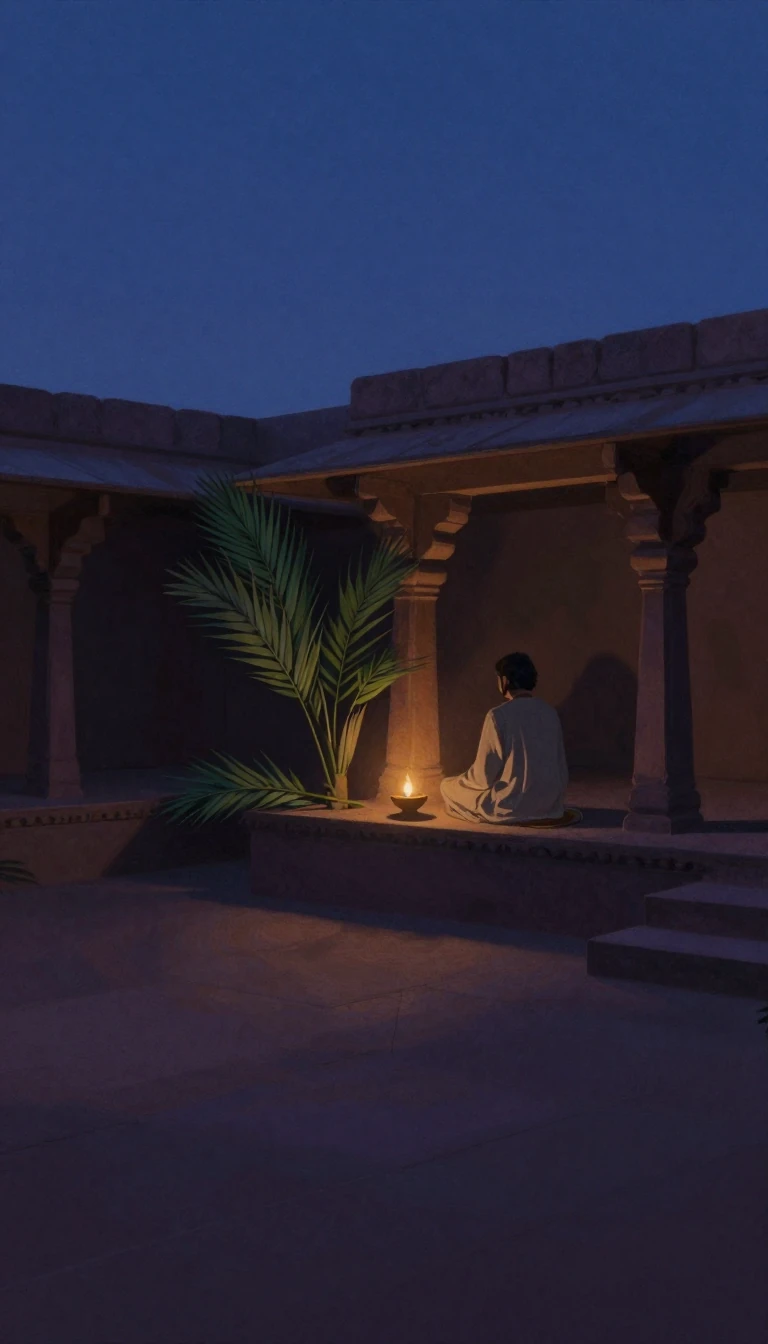
In short: R. K. Narayan created Malgudi, a fictional town that mirrored the social shifts of India across six decades. With a simple, unpretentious style, he captured the lives of ordinary people, earning him comparisons to Chekhov and Faulkner while securing a devoted readership that stretched from New York to Moscow.
Born in 1906 in Madras, R. K. Narayan was a central figure in early Indian literature in English. His career was defined by the creation of Malgudi, a town he first envisioned in 1930. Malgudi served as a creative microcosm of India, reflecting the country's transition from colonial rule to independence. Narayan’s debut, Swami and Friends, introduced this setting, which he meticulously populated with characters that felt like neighbors or cousins. His writing was characterized by a detached, objective spirit and a gentle humor that allowed him to explore complex social structures without sacrificing simplicity.
Narayan’s path to success was unconventional. After failing his university entrance exam and struggling to find a stable career, he committed himself to writing despite initial financial hardship. His breakthrough came through the mentorship of Graham Greene, who championed his early manuscripts and helped navigate the publishing world. Narayan’s work was deeply autobiographical; his novel The English Teacher, for instance, drew heavily from the grief he experienced following the death of his wife, Rajam, in 1939. This personal depth, combined with his ability to compress narratives, led critics like Jhumpa Lahiri to rank him among the great short-story writers.
Beyond his novels, Narayan was a keen observer of the Indian educational system. During his term in the Rajya Sabha in the 1980s, he campaigned against the heavy burden of school books, which he believed stifled childhood creativity—a concern he had first voiced in his 1935 debut. Even as he gained international acclaim, including the AC Benson Medal and various honorary memberships, he remained a traditionalist who valued daily interaction with his community. When he passed away in 2001 at age 94, he left behind a legacy of realism that, as V. S. Naipaul noted, was written from deep within his own community, avoiding the urge to put his people on display.
Opens the Intellect+ feed with this card first. Swipe up for the next one.
Sources
- Summary by Intellect · source: R. K. Narayan
To cite this card, link to https://intellectplus.co.uk/app/art-r-k-narayan.
How we source, check and correct cards: Editorial standards.
General information, not professional advice. Spotted an error? Flag the card or see corrections and complaints.
Intellect Plus is a visual educational discovery platform for exploring fascinating facts and ideas. Brain Food, Not Brain Rot. What is Intellect Plus?
Related
More in UK & Ireland: arts · More in Art · Latest · A–Z · All topics
