A 16th-century epic poem that became the living heartbeat of Indian culture
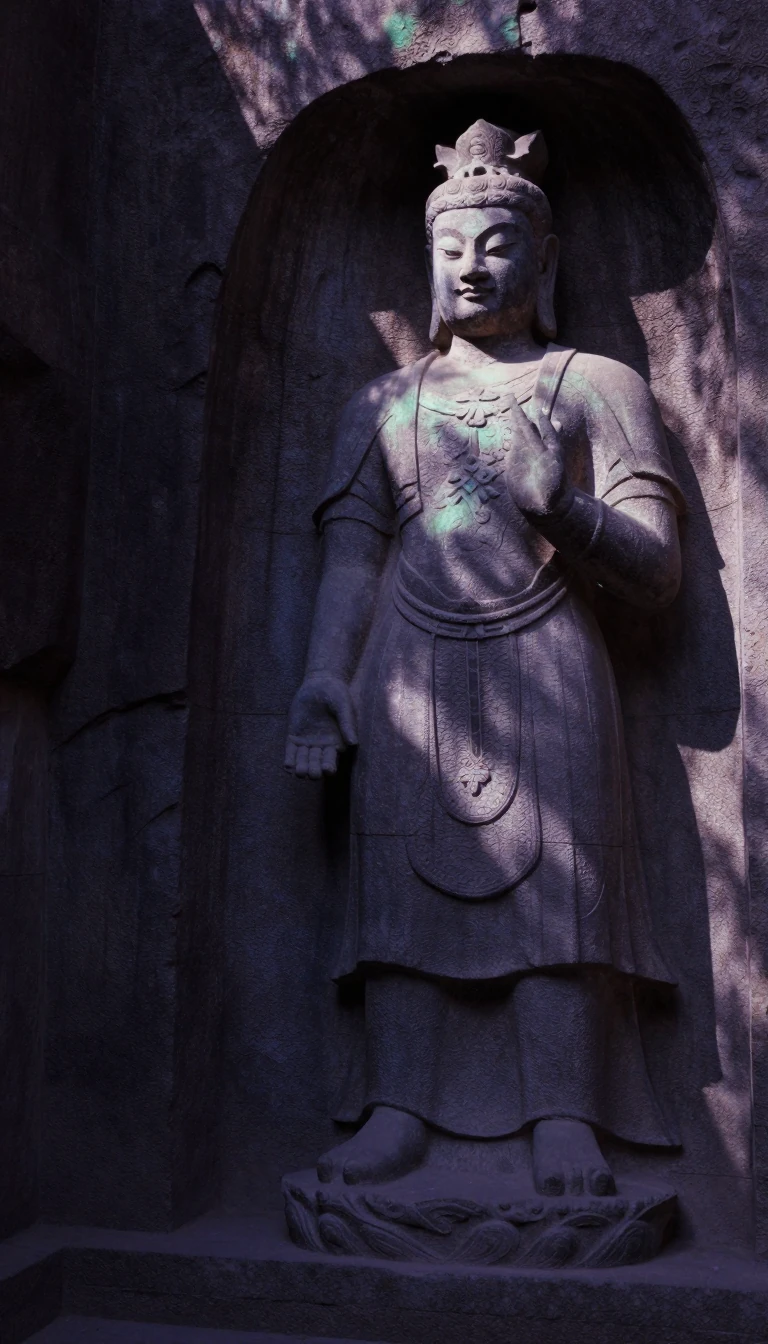
In short: Composed by Tulsidas in 1574, the Ramcharitmanas transformed the ancient Sanskrit story of Rama into a vernacular masterpiece. By choosing the common tongue of Awadhi over scholarly Sanskrit, Tulsidas made the divine accessible to everyone, sparking centuries of devotion, dramatic performance, and a legacy that continues to shape Indian identity.
Tulsidas, a Sanskrit scholar, began writing the Ramcharitmanas in Ayodhya on Rama Navami in 1574 CE. Despite facing criticism from Varanasi scholars for abandoning Sanskrit, he remained committed to his goal: simplifying complex Vedic knowledge for the common person. The title, literally meaning 'Lake of the deeds of Rama,' reflects his vision of the work as a purifying spiritual reservoir. The poem is structured into seven books, or Kānds, containing approximately 12,800 lines, primarily composed in the rhythmic Chaupai and Doha metres.
The narrative is far more than a simple retelling of Valmiki’s Sanskrit Ramayana. It weaves together stories from the Puranas and various earlier traditions, framing the entire epic as a conversation between Shiva and Parvati. Tulsidas introduces the story through multiple layers of dialogue, involving sages like Bharadwaj and Yajnavalkya. This structure serves a higher purpose: explaining the divine incarnations of Rama, who is revered as the seventh avatar of Vishnu, born to protect the righteous and restore dharma.
The text’s influence is immense, having birthed the tradition of Ramlila—the dramatic enactment of Rama's life—and serving as a guide for popular faith. Its reach expanded significantly through print in the 19th century, with editions appearing in Calcutta, Kanpur, and beyond, eventually being translated into languages like Persian. In May 2024, UNESCO recognized its enduring significance by adding its manuscripts to the Memory of the World Asia-Pacific Regional Register, cementing its status as a cornerstone of global literary and religious heritage.
Opens the Intellect+ feed with this card first. Swipe up for the next one.
Sources
- Summary by Intellect · source: Ramcharitmanas
To cite this card, link to https://intellectplus.co.uk/app/art-ramcharitmanas.
How we source, check and correct cards: Editorial standards.
General information, not professional advice. Spotted an error? Flag the card or see corrections and complaints.
Intellect Plus is a visual educational discovery platform for exploring fascinating facts and ideas. Brain Food, Not Brain Rot. What is Intellect Plus?
Related
More in Performing arts · More in Art · Latest · A–Z · All topics
