The Reichswehr: How a Defeated Army Secretly Built a Future Power
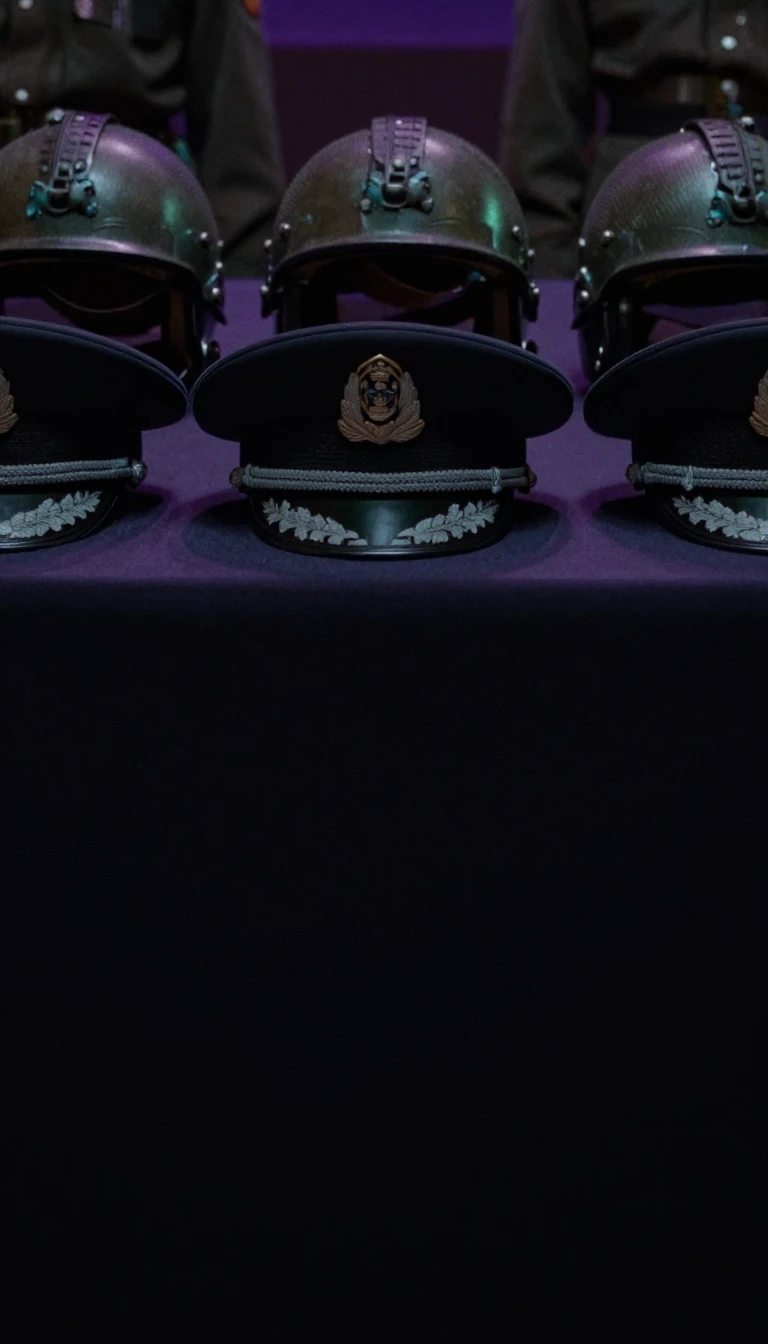
In short: After World War I, Germany’s military was restricted to a tiny force of 100,000 men. Yet, the Reichswehr operated as a state within a state, defying international treaties through clandestine training in the Soviet Union and illegal paramilitary groups, effectively preserving the core of a future war machine.
Following the collapse of the German Empire in 1918, the newly formed Weimar Republic faced the daunting task of demobilizing millions of soldiers while adhering to the severe constraints of the 1919 Treaty of Versailles. The treaty mandated a professional army of only 100,000 men and a 15,000-man navy, prohibiting a general staff, heavy weaponry, and an air force. To ensure the military remained a professional cadre, service terms were fixed at 12 years for enlisted men and 25 years for officers, preventing the buildup of trained reserves.
Despite its official status as an apolitical force, the Reichswehr maintained deep independence from the civilian government, a status solidified by the 1918 Ebert-Groener Pact. The officer corps remained largely conservative and monarchist, resisting democratization and recruiting primarily from rural, upper-class families. By 1926, 96% of officer candidates came from upper social classes, and the homogeneity of the corps was actually higher than it had been during the Imperial era. This insular culture allowed the military to act as a political power factor, often prioritizing its own survival over the stability of the Republic.
The Reichswehr leadership actively circumvented Versailles restrictions through secret measures. They established the 'Black Reichswehr'—illegal paramilitary groups—and collaborated with the Soviet Union to test prohibited technologies. At facilities like Lipetsk, German pilots trained in secret, while tank specialists and chemical warfare experts developed skills at Kazan and Tomka. These efforts, alongside the creation of the Truppenamt to replace the banned general staff, ensured that when the Nazi regime proclaimed military sovereignty in 1935, the Reichswehr had already laid the foundation for rapid expansion into the Wehrmacht.
Opens the Intellect+ feed with this card first. Swipe up for the next one.
Sources
- Summary by Intellect · source: Reichswehr
To cite this card, link to https://intellectplus.co.uk/app/art-reichswehr.
How we source, check and correct cards: Editorial standards.
General information, not professional advice. Spotted an error? Flag the card or see corrections and complaints.
Intellect Plus is a visual educational discovery platform for exploring fascinating facts and ideas. Brain Food, Not Brain Rot. What is Intellect Plus?
Related
More in Visual artists · More in Art · Latest · A–Z · All topics
