How the Imperial German Army systematically usurped civilian control of foreign policy
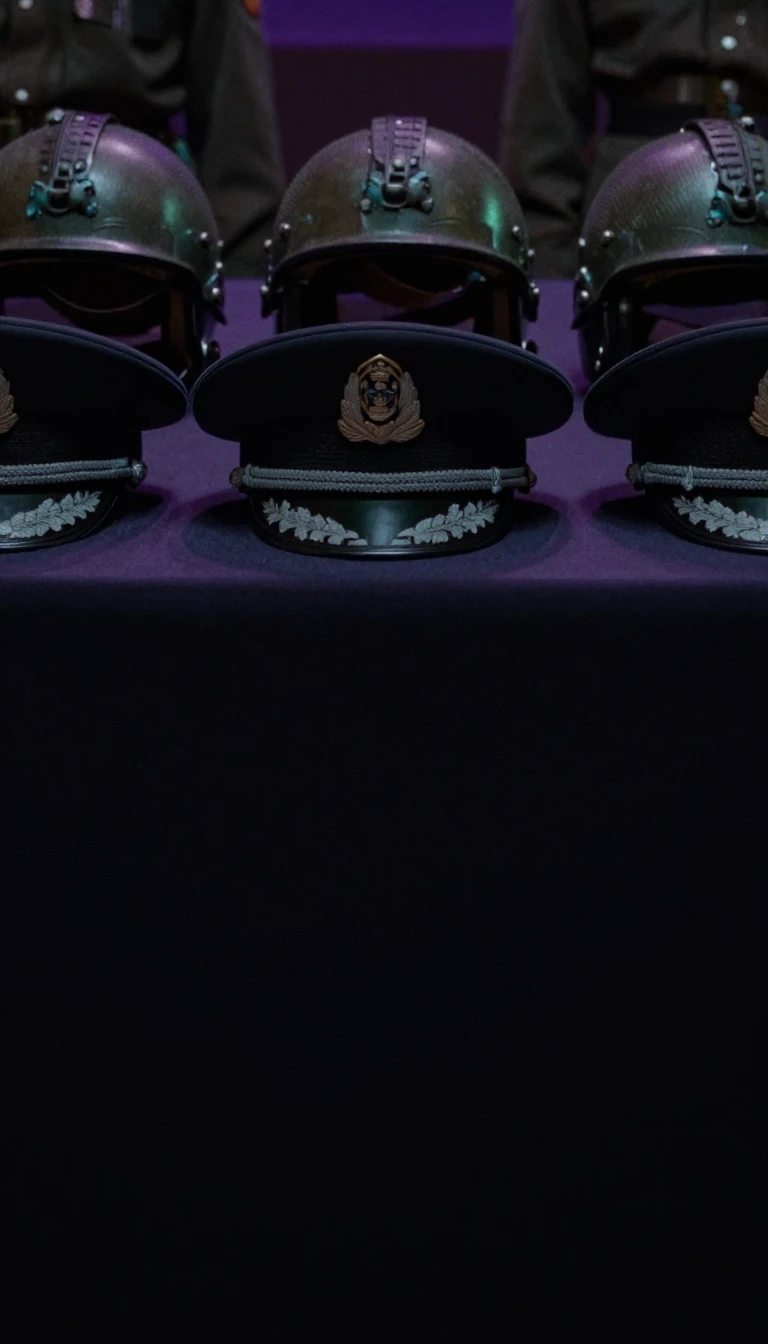
In short: The Imperial German Army was more than a fighting force; it was a state within a state. By bypassing the Chancellor and reporting directly to the Kaiser, military leaders increasingly dictated Germany's foreign policy, often disregarding political consequences in favor of aggressive, preventive warfare that ultimately reshaped the twentieth century.
Established in 1871 following the unification of Germany, the Imperial German Army (Deutsches Heer) functioned as a complex, semi-autonomous structure. While the Kaiser held supreme command, the Prussian Army dominated, exerting control over training, doctrine, and equipment across the Empire. Even as kingdoms like Bavaria and Saxony maintained their own War Ministries and staff, they coordinated planning with the Prussian Great General Staff, the senior body responsible for institutionalizing military excellence.
This system was designed to remove reliance on the nobility's martial intuition, replacing it with rigorous academic training and staff experience. However, this professionalization created a dangerous disconnect. Military attachés provided high-quality intelligence that empowered planners, but the military staff grew so influential that they began to sideline civilian officials. Chancellor Otto von Bismarck frequently clashed with military leaders who pushed for preventive wars, such as the 1887 proposal to attack Russia, yet he could never fully curb their interference.
As the twentieth century dawned, this friction turned catastrophic. During the 1905 Moroccan Crisis, Chief of Staff Alfred von Schlieffen advocated for war with France. By the July Crisis of 1914, Helmuth von Moltke the Younger bypassed the Chancellor entirely to advise Austria-Hungary on mobilization. During World War I, Paul von Hindenburg effectively seized control of foreign policy, leaving civilian leaders in the dark. Historian Gordon A. Craig noted that these crucial 1914 decisions were made by soldiers who displayed an almost complete disregard for political considerations, a trend that defined the army's role until its dissolution in 1919.
Opens the Intellect+ feed with this card first. Swipe up for the next one.
Sources
- Summary by Intellect · source: Imperial German Army
- Also: Wikidata — Imperial German Army · CC0
To cite this card, link to https://intellectplus.co.uk/app/places-imperial-german-army.
How we source, check and correct cards: Editorial standards.
General information, not professional advice. Spotted an error? Flag the card or see corrections and complaints.
Intellect Plus is a visual educational discovery platform for exploring fascinating facts and ideas. Brain Food, Not Brain Rot. What is Intellect Plus?
Related
More in Countries and other regions · More in Countries & Cities · Latest · A–Z · All topics
