Salzburg: From Salt Tolls and Princely Guards to the Birthplace of Musical Genius
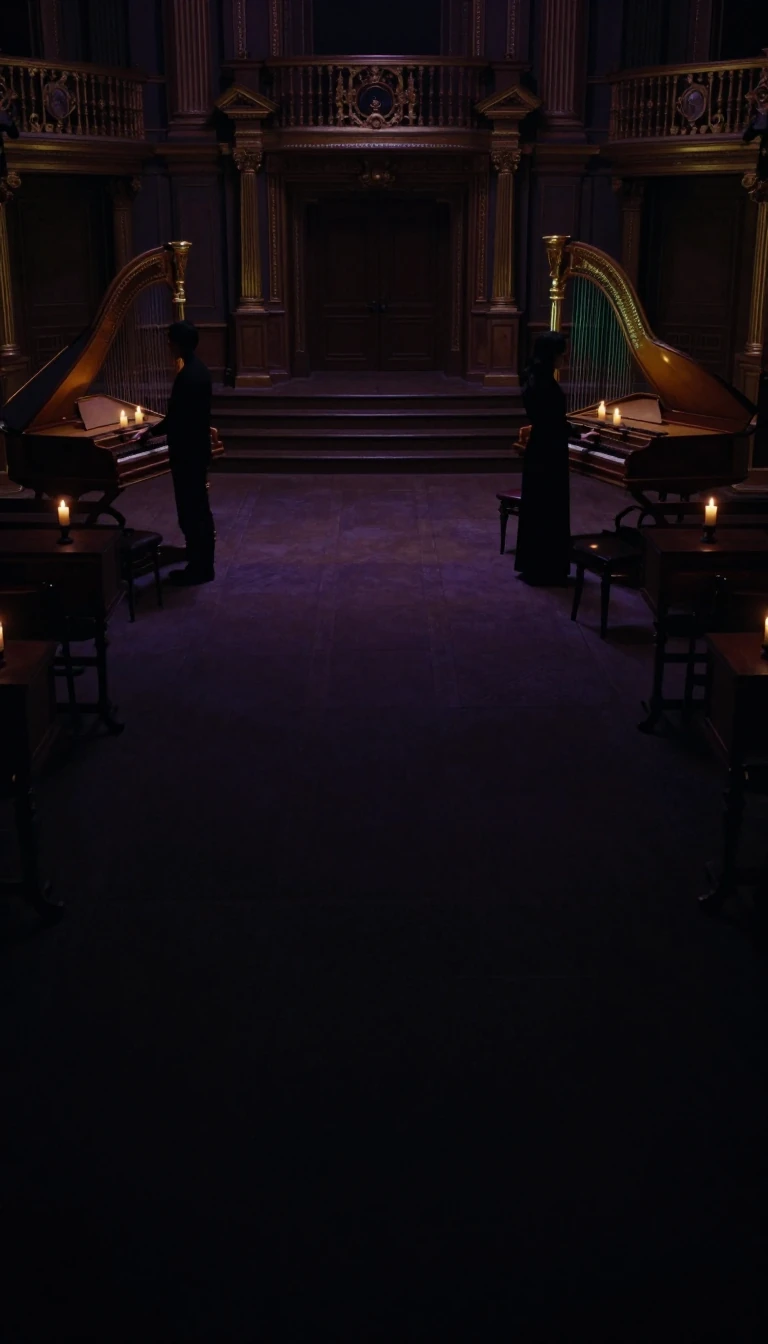
In short: Beyond its reputation as the birthplace of Wolfgang Amadeus Mozart, Salzburg has a complex history defined by salt, power, and art. Once a fortress-dominated seat of prince-archbishops, the city evolved from a medieval trade hub into a center of Baroque splendor, where ceremonial guards carried ornate weapons and musical prodigies flourished.
The name Salzburg, first recorded in the 8th century, reflects its origins as a site for salt trade on the River Salzach. By the 11th century, the city was anchored by the Hohensalzburg Fortress, which served as a residence for the prince-archbishops. These rulers wielded significant influence, and by the late 16th and 17th centuries, they transformed the city into a Baroque masterpiece, commissioning Italian architects to reshape its center.
This era of prosperity was guarded by elite forces whose equipment doubled as high art. Ceremonial pole arms, such as the glaive used by the bodyguard of Markus Sittikus von Hohenems in 1589, were crafted from steel and oak. Similarly, shields for the bodyguard of Wolf Dietrich von Raitenau, created in Venice between 1590 and 1600, utilized silver foil and intricate polychrome. By this time, such weapons had largely transitioned from the battlefield to ceremonial displays, serving as canvases for noble coats of arms.
Salzburg’s most enduring legacy, however, is its role in Western music. Wolfgang Amadeus Mozart was born there in 1756 to a family with deep local roots. His father, Leopold, a violinist and author of a famous manual, recognized his son's early talent, taking him on a grand tour of European musical centers starting in 1763. Mozart’s early works, including symphonies composed under the influence of Johann Christian Bach in London, showcased his ability to master diverse musical dialects.
Though Mozart later moved to Vienna, his early years in Salzburg were formative. He was appointed an honorary Konzertmeister at the Salzburg court in 1769 at age 13. While his music is often associated with the 'Mozart effect'—a debunked theory that listening to his sonatas boosts IQ—his true contribution remains his unparalleled command of every musical genre of his day, cementing Salzburg's place in the history of human achievement.
Opens the Intellect+ feed with this card first. Swipe up for the next one.
Sources
- Summary by Intellect · source: Salzburg | Facts, History, & Points of Interest | Britannica
- Also: Salzburg
- Also: Glaive for the Bodyguard of Markus Sittikus von Hohenems, Prince-Archbishop of Salzburg
- Also: Shield for the Bodyguard of Wolf Dietrich von Raitenau, Prince-Archbishop of Salzburg
To cite this card, link to https://intellectplus.co.uk/app/art-salzburg.
How we source, check and correct cards: Editorial standards.
General information, not professional advice. Spotted an error? Flag the card or see corrections and complaints.
Intellect Plus is a visual educational discovery platform for exploring fascinating facts and ideas. Brain Food, Not Brain Rot. What is Intellect Plus?
Related
More in Performing arts · More in Art · Latest · A–Z · All topics
