Why do we feel secret joy when others suffer, and what does it reveal?
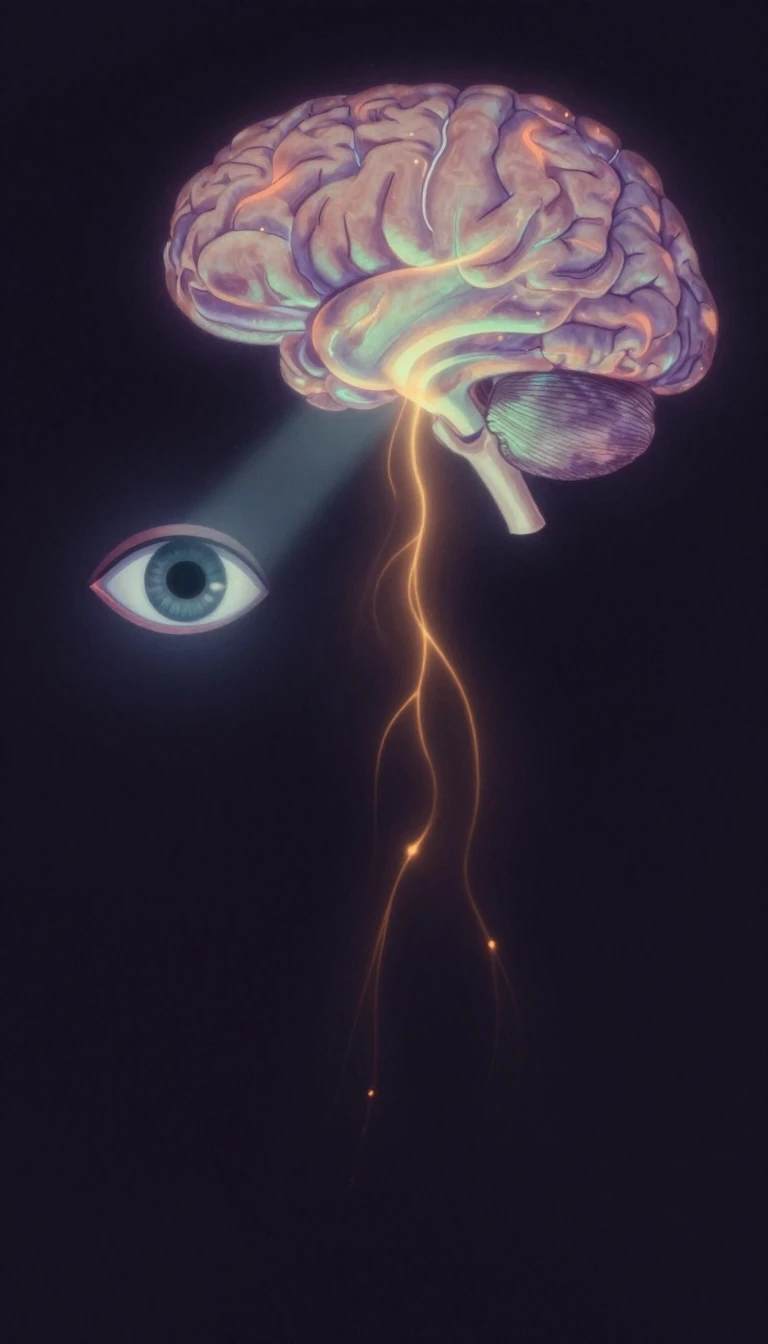
In short: Schadenfreude, the German term for taking pleasure in another's misfortune, is a universal human experience. While often dismissed as mere malice, psychologists suggest it is a complex response rooted in social identity, rivalry, and our innate sense of justice. It is an emotion that begins as early as age two.
The term schadenfreude combines the German words for damage and joy. While English lacks a precise single-word equivalent, the concept is deeply embedded in human social dynamics. Researchers categorize the triggers for this emotion into distinct contexts, most notably justice, rivalry, and aggression. In the context of justice, individuals feel satisfaction when they perceive that a person has received a deserved punishment. Conversely, rivalry-based schadenfreude occurs when a competitor suffers a setback, which can serve to bolster the observer's own social standing or self-evaluation.
Neurobiological studies using fMRI scans have provided a window into how this emotion manifests in the brain. While empathy and schadenfreude share activity in areas related to social cognition, the latter is uniquely associated with the activation of the ventral striatum and the nucleus accumbens—regions linked to reward processing. This suggests that for the brain, witnessing a rival's failure can register as a positive, rewarding event. Interestingly, patients with impairments in the ventral striatum have demonstrated lower levels of schadenfreude, reinforcing the link between this emotion and the brain's reward circuitry.
Individual differences play a significant role in the intensity of these feelings. People with lower self-esteem are more prone to experiencing schadenfreude, as observing another's failure may provide a temporary, relative improvement in their own self-conception. At the extreme end of the spectrum, the emotion can intersect with the Dark Triad traits—narcissism, Machiavellianism, and psychopathy. In these cases, the lack of empathy and the potential for dehumanization can transform schadenfreude into a more problematic, even sadistic, experience. Today, the digital age has amplified these dynamics, as online barriers and the ability to quickly categorize others into in-groups and out-groups make it easier to dehumanize those we perceive as dissimilar.
Opens the Intellect+ feed with this card first. Swipe up for the next one.
Sources
- Summary by Intellect · source: Schadenfreude | Meaning, Psychology, Examples, & Facts | Britannica
- Also: Schadenfreude
To cite this card, link to https://intellectplus.co.uk/app/art-schadenfreude.
How we source, check and correct cards: Editorial standards.
General information, not professional advice. Spotted an error? Flag the card or see corrections and complaints.
Intellect Plus is a visual educational discovery platform for exploring fascinating facts and ideas. Brain Food, Not Brain Rot. What is Intellect Plus?
Related
More in Literature · More in Art · Latest · A–Z · All topics
