Did a migraine condition inspire the visionary art of Hildegard von Bingen?
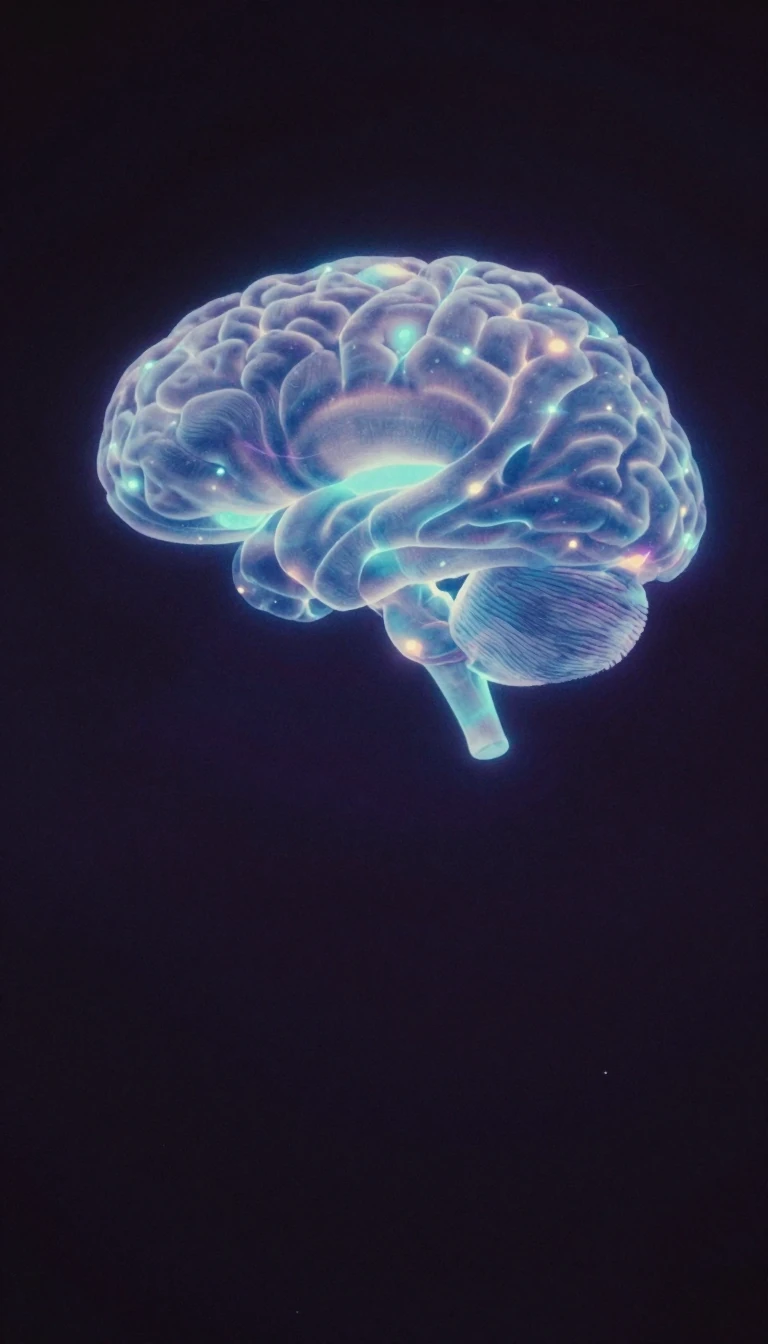
In short: Hildegard von Bingen’s Scivias, completed around 1152, chronicles 26 divine visions through text and 35 intricate illustrations. While she believed these were the voice of heaven, modern scholars suggest her vivid descriptions of light and auras may stem from a neurological condition known as scintillating scotoma.
Hildegard von Bingen began experiencing visions at age five but only began recording them in 1141, when she was 42. Encouraged by her mentor Volmar and authorized by Pope Eugene III following a review at the Synod of Trier, she compiled these experiences into Scivias, a title derived from the Latin for 'Know the Ways of the Lord.' The work is structured in three parts, mirroring the Trinity, and covers themes ranging from creation and the Fall to the coming kingdom of God.
The manuscript is notable for its 35 miniature illustrations, which scholars have debated as either her own work, her direct creation under supervision, or the work of others she directed. Some researchers, including Charles Singer and Oliver Sacks, have argued that the visual characteristics of these illuminations—specifically the bright lights and auras—resemble symptoms of migraine attacks. While this theory suggests a physiological basis for her experiences, Sacks maintained that such a condition does not invalidate the significance of her spiritual insights, as the value lies in how she interpreted and utilized these perceptions.
Beyond its visionary content, Scivias served as an educational program, incorporating fourteen songs and elements of the Ordo Virtutum, the earliest known morality play. Hildegard emphasized the concept of viriditas, or 'greening,' as a metaphor for spiritual and physical health. Although the original Rupertsberg manuscript was lost during World War II, the work survives through other medieval copies and modern critical editions, remaining a foundational text for understanding medieval mysticism and the prophetic tradition.
Hildegard’s work was deeply influential in her time, serving as a model for contemporaries like Elizabeth of Schönau. Whether viewed through the lens of theology or neurology, Scivias stands as a unique synthesis of prophetic instruction and artistic expression, reflecting a complex, politically engaged mind that sought to guide humanity toward salvation through pictorial analogy rather than traditional logic.
Opens the Intellect+ feed with this card first. Swipe up for the next one.
Sources
- Summary by Intellect · source: Scivias
- Also: Scivias | work by Hildegard | Britannica
To cite this card, link to https://intellectplus.co.uk/app/art-scivias.
How we source, check and correct cards: Editorial standards.
General information, not professional advice. Spotted an error? Flag the card or see corrections and complaints.
Intellect Plus is a visual educational discovery platform for exploring fascinating facts and ideas. Brain Food, Not Brain Rot. What is Intellect Plus?
Related
More in Literature · More in Art · Latest · A–Z · All topics
