Scotland’s literary history is a multilingual tapestry woven across sixteen centuries of shifting power.
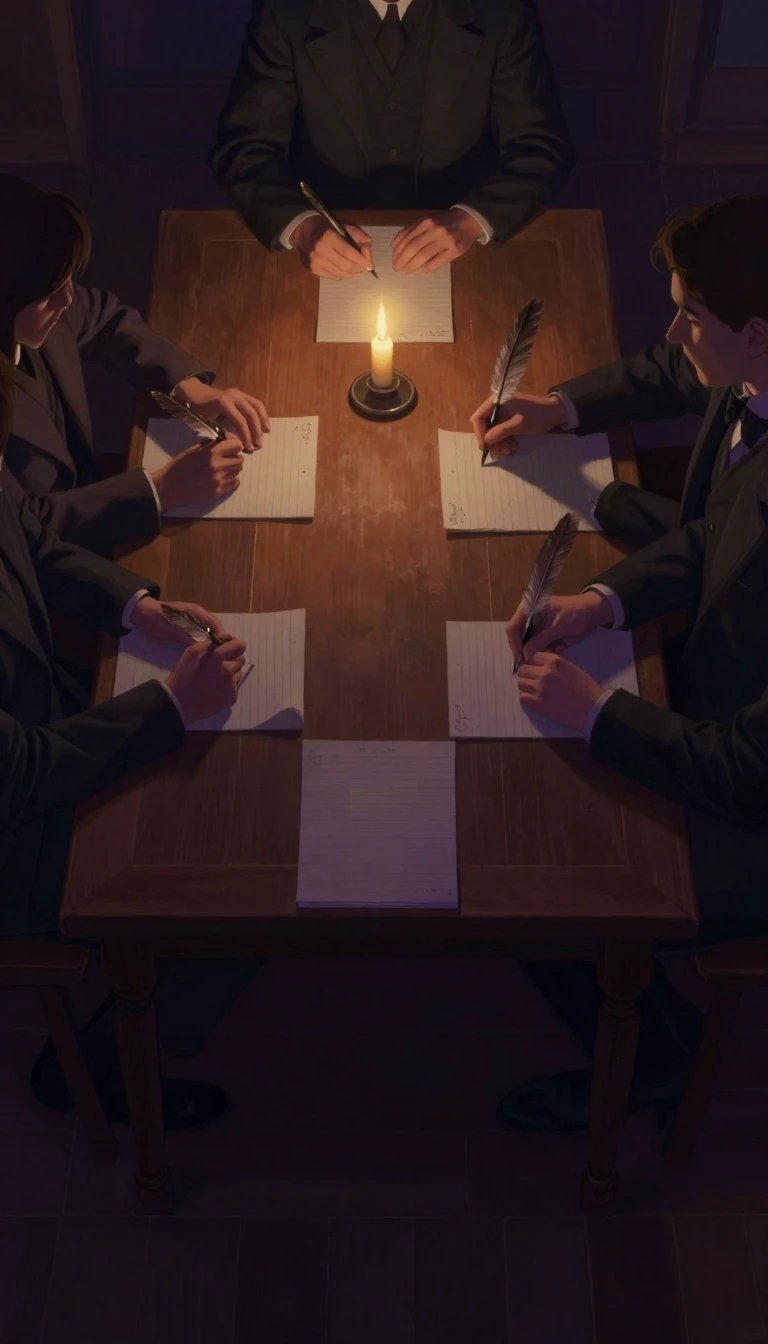
In short: Far from a single tradition, Scottish literature emerged from a collision of Brythonic, Gaelic, Latin, French, and Scots. From the sixth-century elegies of the Gododdin to the global influence of the Waverley Novels, Scotland’s written legacy reflects a nation constantly redefining its identity through the languages of its conquerors and kings.
The earliest literary traces in Scotland date to the sixth century, composed in Brythonic speech. These include The Gododdin, a series of elegies attributed to the bard Aneirin, and works by Taliesin. As the Kingdom of Alba formed in the ninth century, Gaelic culture dominated, supported by filidh—poets and historians attached to royal courts. However, the Davidian Revolution in the thirteenth century brought a shift toward French, which became the language of the elite, while Latin remained the primary medium for religious and intellectual life, exemplified by Adomnán’s Vita Columbae.
By the fourteenth century, Early Scots emerged as the dominant vernacular, eventually replacing French in government and law. The period saw the rise of the makars, court-linked poets like John Barbour, whose epic Brus defined national identity. The sixteenth century marked a high point for Scots literature, featuring Gavin Douglas’s Eneados—the first successful rendition of a major classical work into any Anglic language—and the satirical plays of David Lyndsay. Yet, the 1603 union of crowns triggered a decline in Scots patronage as James VI moved his court to London, favoring southern English.
The eighteenth century sparked a major revival. Allan Ramsay led a vernacular movement, while James Macpherson’s Ossian Cycle achieved unprecedented international fame. This era paved the way for Robert Burns and Walter Scott, whose novels profoundly shaped nineteenth-century perceptions of Scottish identity. Later, the twentieth-century Scottish Renaissance, led by Hugh MacDiarmid, sought to restore Scots as a serious literary medium. Today, the tradition continues to evolve, bridging the gap between historical roots and modern global recognition.
Opens the Intellect+ feed with this card first. Swipe up for the next one.
Sources
- Summary by Intellect · source: Scottish literature
To cite this card, link to https://intellectplus.co.uk/app/art-scottish-literature.
How we source, check and correct cards: Editorial standards.
General information, not professional advice. Spotted an error? Flag the card or see corrections and complaints.
Intellect Plus is a visual educational discovery platform for exploring fascinating facts and ideas. Brain Food, Not Brain Rot. What is Intellect Plus?
Related
More in UK & Ireland: arts · More in Art · Latest · A–Z · All topics
