The Silent Film Heartthrob Who Became Hollywood's First Asian Leading Man
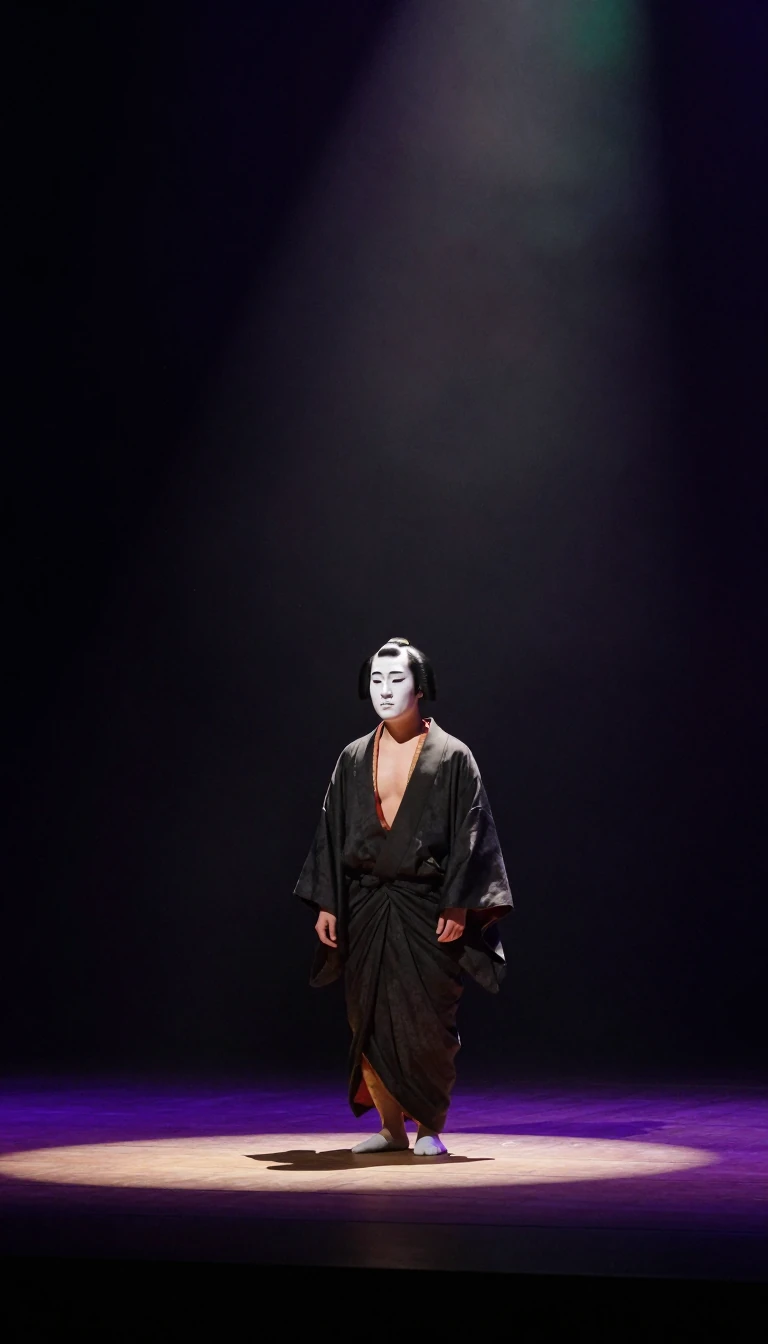
In short: Long before global cinema, Sessue Hayakawa commanded Hollywood as a brooding, high-paid sex symbol. Despite racial barriers and typecasting, he built his own production company, rivaled the fame of Charlie Chaplin, and pioneered a subtle, Zen-influenced acting style that challenged the era's broad, performative gestures.
Born in 1886 in rural Japan, Kintarō Hayakawa arrived in the United States after a tumultuous youth that included a failed naval career and a dramatic suicide attempt. By 1915, he had transformed into Sessue Hayakawa, a Hollywood sensation whose role in The Cheat established him as a romantic idol. At the height of his fame between 1918 and 1921, he earned $2 million annually through his own production company, Haworth Pictures, allowing him to bypass studio constraints and maintain creative control over his work.
Hayakawa’s acting philosophy stood in stark contrast to the era's exaggerated theatricality. He championed muga, or the 'absence of doing,' a Zen-influenced approach that prioritized internal stillness over the era's standard, dramatic poses. This discipline extended to his real life; he was a skilled martial artist who once physically subdued unruly extras on a film set. Despite his success, he was frequently typecast as a villain or a forbidden lover, a reality he deeply resented, often lamenting his inability to secure heroic roles due to prevailing anti-Japanese sentiment.
His career was marked by constant movement and reinvention. Following the rise of anti-Japanese prejudice and business disputes in 1922, he left Hollywood for Broadway and Europe, where he was celebrated in France and Britain. He returned to Hollywood in the sound era, eventually earning an Academy Award nomination for his iconic portrayal of Colonel Saito in the 1957 film The Bridge on the River Kwai. By the time of his death in 1973, Hayakawa had left an indelible mark on cinema, though scholars like Karla Rae Fuller have noted that his pioneering contributions are often conspicuously absent from mainstream film history.
Opens the Intellect+ feed with this card first. Swipe up for the next one.
Sources
- Summary by Intellect · source: Sessue Hayakawa
- Also: Art Institute of Chicago — The Actor Hayakawa Hatsuse as a Flower Vendor · CC0 (data); description CC BY 4.0
To cite this card, link to https://intellectplus.co.uk/app/art-sessue-hayakawa.
How we source, check and correct cards: Editorial standards.
General information, not professional advice. Spotted an error? Flag the card or see corrections and complaints.
Intellect Plus is a visual educational discovery platform for exploring fascinating facts and ideas. Brain Food, Not Brain Rot. What is Intellect Plus?
Related
More in Entertainers · More in Art · Latest · A–Z · All topics
