Why millions are trading traditional religious institutions for the pursuit of personal spiritual growth
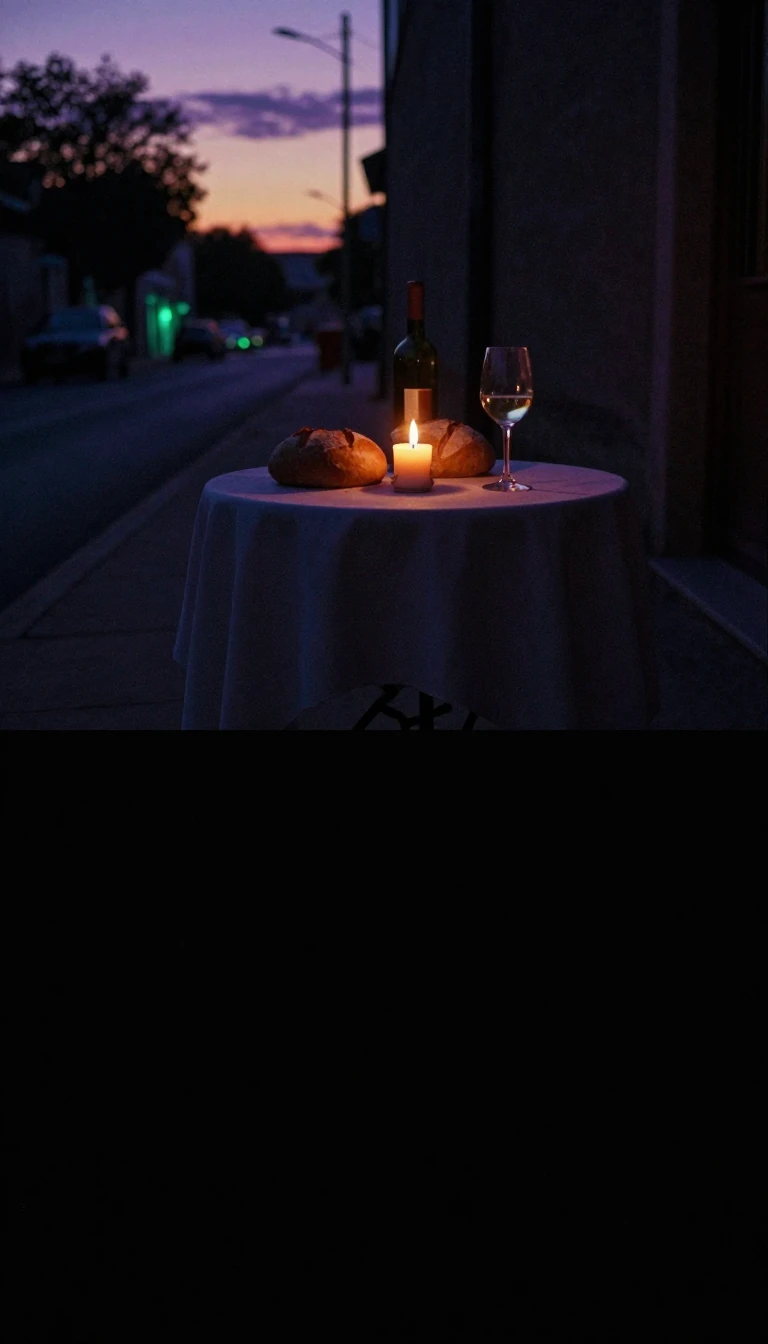
In short: The rise of the spiritual but not religious movement reflects a shift toward individual autonomy over communal ritual. While critics dismiss this trend as self-centered or shallow, proponents argue it represents a deeper, more authentic engagement with the divine, free from the rigid structures of historical religious institutions.
The label 'spiritual but not religious' (SBNR) describes a life stance that prioritizes personal interiority over institutional affiliation. While often associated with 1960s counterculture, the concept has historical roots that predate modern movements. Today, it encompasses a diverse demographic, with roughly 22% of Americans identifying this way in 2023. These individuals often view organized religion as a hindrance to authentic faith, preferring private reflection and personal empowerment over public rituals like those found in Abrahamic traditions.
Theologian Linda Mercadante categorizes these individuals into five groups: 'Dissenters' who reject institutions, 'Casuals' who use spiritual practices for stress relief, 'Explorers' seeking novel experiences, 'Seekers' looking for a new home, and 'Immigrants' adjusting to a new spiritual identity. This variety suggests that SBNR is not a monolithic movement but a spectrum of responses to the perceived rigidity of established churches. However, critics like Jesuit priest James Martin argue that such spirituality can devolve into self-centered complacency, lacking the wisdom and accountability provided by a community.
Scholars also highlight significant tensions within the movement. Some researchers, such as Wong and Vinsky, argue that modern SBNR discourse often relies on the appropriation of indigenous or Eastern traditions while simultaneously defining itself through the rejection of Euro-Christianity. Furthermore, sociologists like Robert Wuthnow suggest that Western SBNR practices often lack the rigor of classical mysticism, which traditionally requires sustained asceticism and humility. Ultimately, the movement reflects a broader sociocultural trend toward individualization, where the 'god within' is prioritized over the collective doctrines of the past.
Opens the Intellect+ feed with this card first. Swipe up for the next one.
Sources
- Summary by Intellect · source: Spiritual but not religious
To cite this card, link to https://intellectplus.co.uk/app/art-spiritual-but-not-religious.
How we source, check and correct cards: Editorial standards.
General information, not professional advice. Spotted an error? Flag the card or see corrections and complaints.
Intellect Plus is a visual educational discovery platform for exploring fascinating facts and ideas. Brain Food, Not Brain Rot. What is Intellect Plus?
Related
More in Visual artists · More in Art · Latest · A–Z · All topics
