The vibrant, painted history of statues is hidden beneath layers of weathered stone.
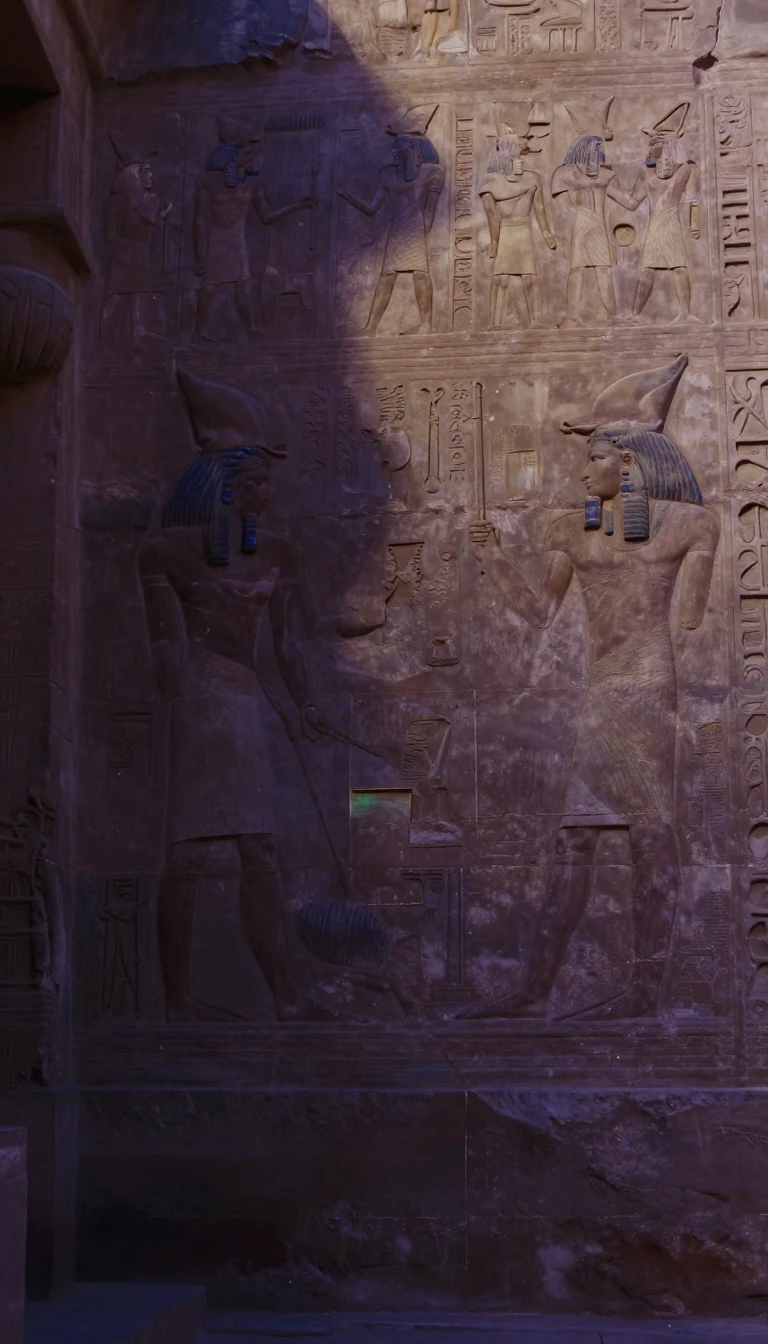
In short: We often imagine ancient statues as stark, white marble, but this is a modern misconception. For millennia, sculptors coated their work in vivid pigments. The transition to unpainted stone was not an artistic choice, but a consequence of time and the accidental discovery of weathered, colorless relics during the Renaissance.
The perception of classical sculpture as monochromatic is a historical accident. Evidence confirms that Greek and Roman statues were originally painted, though most color has eroded over centuries or was scrubbed away during cleaning. Scholars like Gisela Richter have argued that virtually all stone sculpture, whether limestone or marble, was once fully or partially colored. This tradition extended into the Middle Ages, where statues retained their pigments until the Renaissance. During that period, artists began excavating classical works that had lost their original finish, mistakenly adopting these weathered, colorless forms as the definitive standard for beauty.
Beyond aesthetics, statues have served profound religious and social functions. In Ancient Egypt, statues were not merely decorative; they acted as vessels for the ka, or soul. Through the 'Opening of the Mouth' ceremony, priests believed they could animate these figures, allowing the deceased to breathe, eat, and perceive offerings in the afterlife. Similarly, in Greek and Roman temples, the central statue of a deity served as the focal point of worship. For the living, commissioning a public statue—often placed in a forum—was a vital marker of status for politicians and businessmen, cementing their legacy in the public eye.
The evolution of the statue reflects shifting cultural values. While the human form dominated for thousands of years, the 20th century saw a radical departure. Starting around 1900 with artists like Maillol, sculpture moved away from strict realism. By the 1920s and 1930s, movements like Cubism and Futurism pushed this transformation to its limit, eventually leading to entirely abstract designs. Today, the statue remains a complex medium, oscillating between its ancient role as a sacred icon and its modern identity as a canvas for artistic experimentation and public commemoration.
Opens the Intellect+ feed with this card first. Swipe up for the next one.
Sources
- Summary by Intellect · source: Statue
- Also: Head of an Official
To cite this card, link to https://intellectplus.co.uk/app/art-statue.
How we source, check and correct cards: Editorial standards.
General information, not professional advice. Spotted an error? Flag the card or see corrections and complaints.
Intellect Plus is a visual educational discovery platform for exploring fascinating facts and ideas. Brain Food, Not Brain Rot. What is Intellect Plus?
Related
More in Visual arts · More in Art · Latest · A–Z · All topics
