Stone carving is an ancient art of freeing forms from raw, natural blocks.
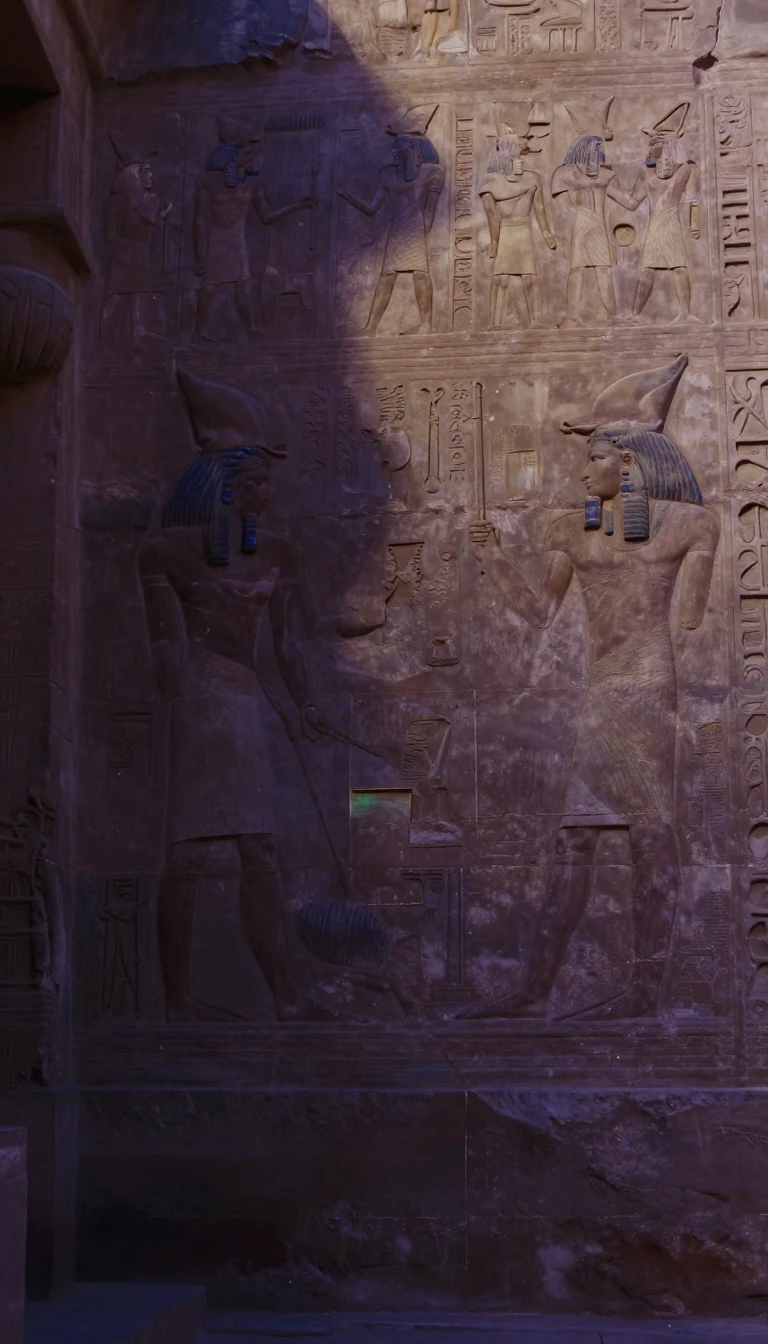
In short: Stone carving is a practice older than civilization, where artists shape natural stone through controlled removal. From prehistoric Venus figurines to modern industrial monuments, the process has evolved from simple abrasive techniques to high-tech lasers. Discover how sculptors transform rough, unyielding rock into enduring, intricate works of art.
Stone carving is the controlled removal of material from natural stone to create sculpture, architecture, or petroglyphs. Because stone is exceptionally durable, it has preserved human history far better than wood or paint. The earliest representational art, such as the Venus of Berekhat Ram, dates back approximately 250,000 years and was crafted using simple percussion—hitting softer stones with harder ones—or by rubbing them with abrasives.
For most of human history, the hammer and chisel served as the primary tools. Before the advent of steel, carvers relied on bronze tools to trap abrasive granules, such as carborundum from the island of Milos, to wear away stone surfaces. The development of iron and steel chisels eventually allowed for more precise cutting, as these tools could be hardened and tempered to withstand the impact of carving without shattering or deforming. Today, while traditionalists still favor hand tools, modern industrial processes utilize diamond-tipped saws, pneumatic hammers, and even high-temperature jet torches or lasers to spall flakes of stone from massive structures like the Crazy Horse Memorial.
The creative process varies by artist. Some, like Michelangelo, viewed their work as freeing a form already trapped within the stone, while others create detailed clay or wax models before beginning. The process typically moves through stages: roughing out large chunks with point chisels or pitching tools, refining the shape with claw chisels to add texture, and finally using rasps and rifflers for intricate details. The final stage involves polishing with abrasives like sandpaper, emery, or metal oxides to reveal the stone's color and sheen. Whether through direct, intuitive carving or indirect copying methods, the medium offers artists a vast range of hardness, color, and quality to explore.
Opens the Intellect+ feed with this card first. Swipe up for the next one.
Sources
- Summary by Intellect · source: Stone carving
To cite this card, link to https://intellectplus.co.uk/app/art-stone-carving.
How we source, check and correct cards: Editorial standards.
General information, not professional advice. Spotted an error? Flag the card or see corrections and complaints.
Intellect Plus is a visual educational discovery platform for exploring fascinating facts and ideas. Brain Food, Not Brain Rot. What is Intellect Plus?
Related
More in Visual arts · More in Art · Latest · A–Z · All topics
