Why the most vibrant dance movements are born in the streets, not studios
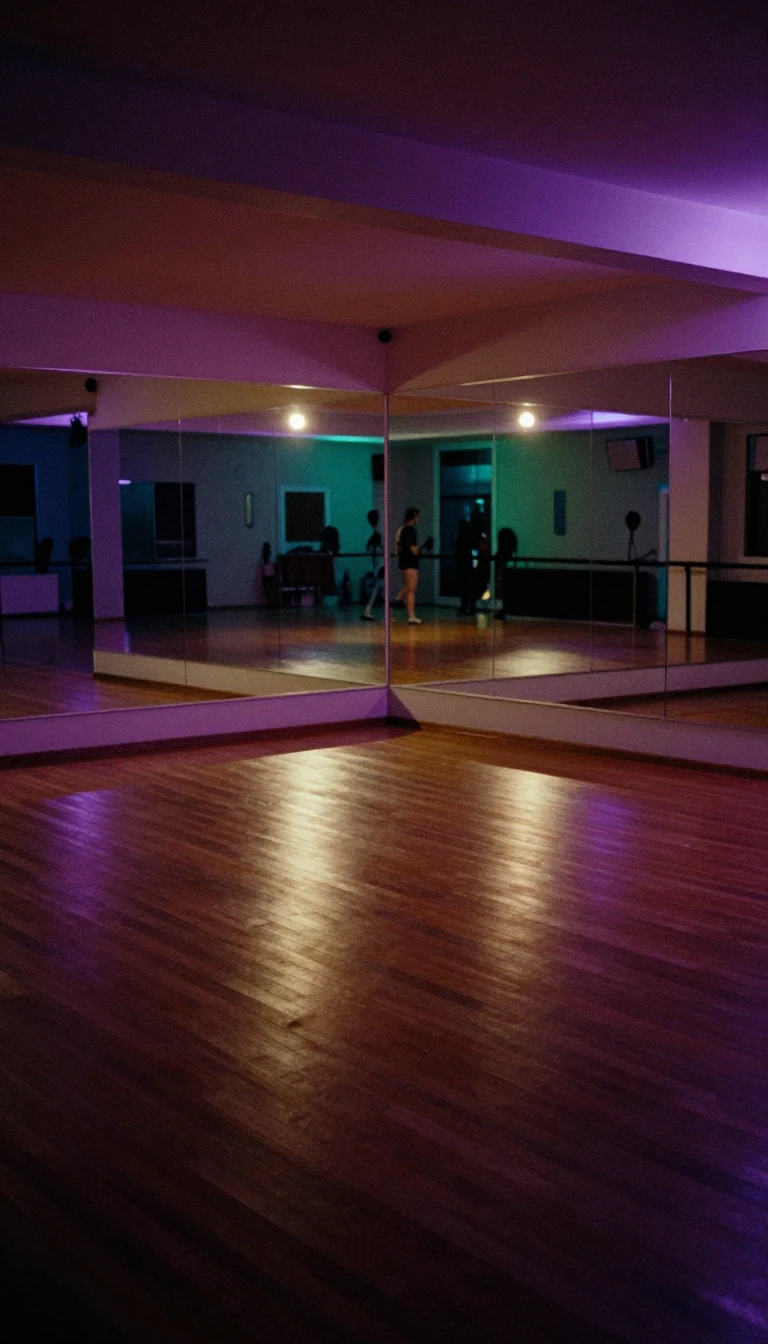
In short: Street dance is not just a collection of moves; it is a vernacular language born from social interaction in public spaces. From the Bronx to California, these styles emerged as a powerful voice for unrepresented communities, proving that the most authentic art often thrives far away from the formal dance studio.
Street dance functions as an umbrella term for a diverse array of social styles, including breakdancing, popping, locking, house, waacking, and hip-hop. Unlike choreographed studio performances, these dances are inherently improvisational and social. They are deeply rooted in the vernacular culture of their specific geographical origins, designed to encourage direct contact and interaction between dancers and spectators. Whether performed in parks, school yards, or nightclubs, the primary goal is to foster a sense of freedom and community expression.
The evolution of these styles is inseparable from the social realities of the 1970s. In the United States, African American creators often faced exclusion from formal dance institutions due to racial prejudice. Consequently, they reclaimed public spaces—streets, block parties, and raves—to develop their own artistic vocabulary. While the origins of street dance are multifaceted and cannot be traced to a single source, the United States is recognized as the birthplace of most contemporary styles. For instance, breakdancing emerged in the Bronx, while popping and locking were refined during the California funk era of the 1970s.
While modern street dance is often associated with the late 20th century, the concept of vernacular street performance has deeper historical roots. Clogging, which developed in the streets and factories of Northern England during the mid-19th century, serves as an early example of this tradition. This lineage of public, social movement spans centuries, as evidenced by ancient Greek depictions of dance. A storage jar from 510-500 BCE, for example, captures a woman dancing playfully with fabric, accompanied by musicians playing the barbiton and aulos. This suggests that the impulse to dance in public, social settings is a timeless human behavior, whether captured in an ancient terracotta vessel or a 1959 photograph of a New Orleans street scene.
Ultimately, street dance remains a vital tool for community identity. By operating outside the constraints of traditional studios, these dancers maintain a raw, authentic connection to their environment. It is a living history of movement that continues to evolve alongside the cultures that birthed it, ensuring that the 'voice' of the street remains audible.
Opens the Intellect+ feed with this card first. Swipe up for the next one.
Sources
- Summary by Intellect · source: Street dance
- Also: Art Institute of Chicago — Pelike (Storage Jar) · CC0 (data); description CC BY 4.0
- Also: Art Institute of Chicago — Untitled (New Orleans Street Dance) · CC0 (data); description CC BY 4.0
To cite this card, link to https://intellectplus.co.uk/app/art-street-dance.
How we source, check and correct cards: Editorial standards.
General information, not professional advice. Spotted an error? Flag the card or see corrections and complaints.
Intellect Plus is a visual educational discovery platform for exploring fascinating facts and ideas. Brain Food, Not Brain Rot. What is Intellect Plus?
Related
More in Performing arts · More in Art · Latest · A–Z · All topics
