Hip-hop dance was born in urban streets, not studios, through improvisation and neighborhood parties.
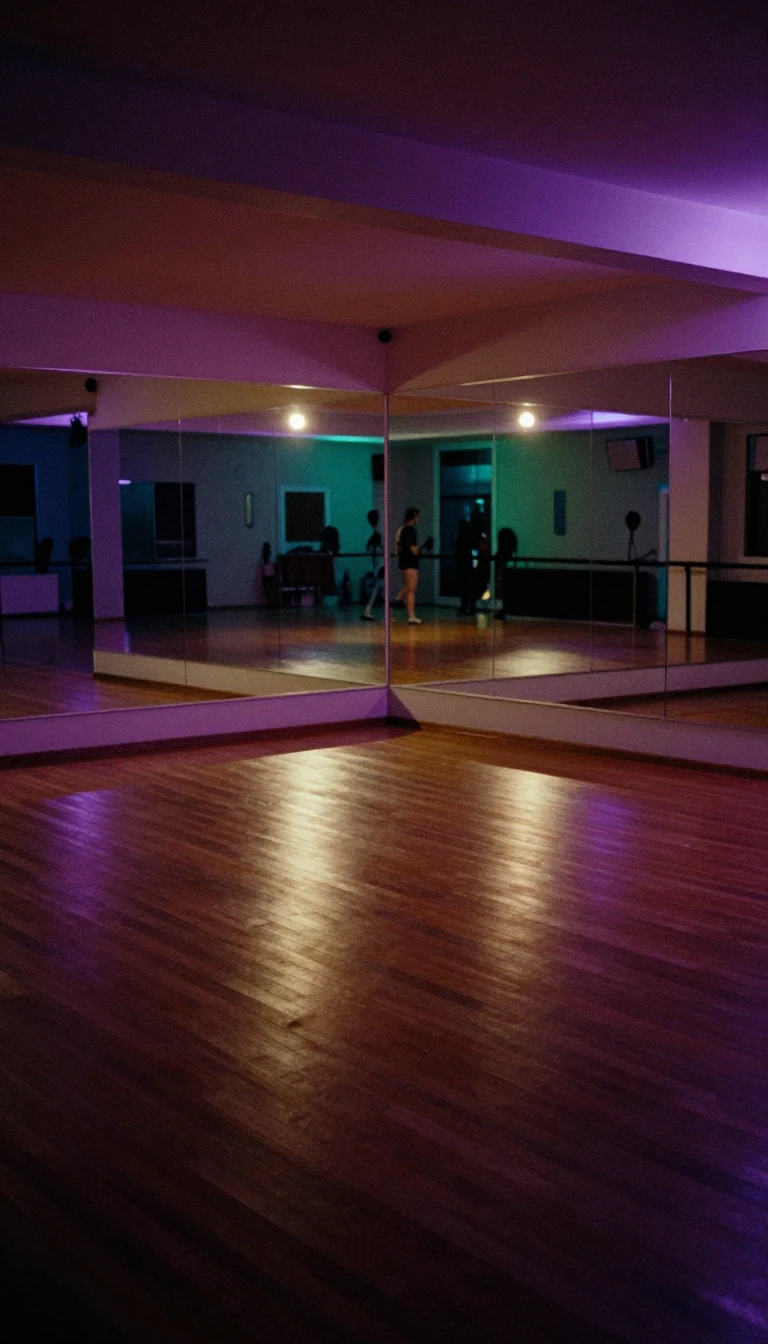
In short: Far from formal training, hip-hop dance emerged in the 1970s as a raw, improvisational response to break beats. From the Bronx to California, street dancers developed distinct styles like breaking and locking. These movements were never studio-derived; they were forged in living rooms, hallways, and at neighborhood block party jams.
The roots of hip-hop dance are split between two regional developments. In New York City, African Americans created breaking and uprock. Breaking, or b-boying, flourished at Bronx parties where DJ Kool Herc pioneered the Merry-Go-Round technique. By looping the instrumental 'break' of a record, Herc provided a continuous groove that allowed dancers to showcase acrobatic, floor-oriented moves. This style evolved from standing toprock into complex downrock, incorporating influences from gymnastics, martial arts films, and even the Brooklyn-based, gang-affiliated dance style known as uprock.
Simultaneously, California was the birthplace of the 'funk styles,' including locking, roboting, and popping. These were originally danced to funk music rather than hip-hop beats. Don Campbell created locking in 1973, while Boogaloo Sam later innovated popping, a style defined by muscle contractions. Unlike the New York scene, these funk styles were popularized by television programs like Soul Train. While the media eventually lumped all these diverse regional forms under the umbrella term 'breakdancing' in the 1980s, practitioners maintain that breaking and the funk styles are distinct, with different musical origins and technical foundations.
The evolution of these dances was driven by the formation of crews—teams of street dancers who battled to improve their skills and build community. Iconic groups like the Rock Steady Crew and The Electric Boogaloos were instrumental in spreading these styles globally. While some theories suggest capoeira influenced breaking, many pioneers dispute this, noting that their inspirations were often local or drawn from martial arts cinema. Today, hip-hop dance continues to evolve through social media-era fad dances and organized international competitions, yet it remains rooted in the improvisational spirit of those early neighborhood jams.
Opens the Intellect+ feed with this card first. Swipe up for the next one.
Sources
- Summary by Intellect · source: History of hip-hop dance
- Also: www.britannica.com — Hip-hop | Definition, History, Dance, Rap, Music, Culture, & Facts | Britannica
To cite this card, link to https://intellectplus.co.uk/app/history-history-of-hip-hop-dance.
How we source, check and correct cards: Editorial standards.
General information, not professional advice. Spotted an error? Flag the card or see corrections and complaints.
Intellect Plus is a visual educational discovery platform for exploring fascinating facts and ideas. Brain Food, Not Brain Rot. What is Intellect Plus?
Related
More in History by topic · More in History · Latest · A–Z · All topics
