How a cynical corporate satire became one of the greatest films ever made
In short: Billy Wilder’s 1960 masterpiece The Apartment transformed a sordid tale of corporate infidelity into a tender, genre-defying classic. Despite initial controversy over its subject matter, the film earned five Academy Awards and remains a benchmark for cinematic storytelling, proving that even the most cynical premises can hold genuine pathos.
The Apartment follows C.C. Baxter, a lonely insurance clerk in New York City who attempts to climb the corporate ladder by lending his apartment to company managers for their extramarital affairs. The film’s narrative was inspired by a mix of sources: the thwarted trysts in Brief Encounter, a real-life Hollywood scandal involving agent Jennings Lang, and a friend's experience with a suicide attempt. Director Billy Wilder and screenwriter I.A.L. Diamond initially struggled to bring this story to the screen in the 1940s due to strict Hays Code restrictions on depicting adultery.
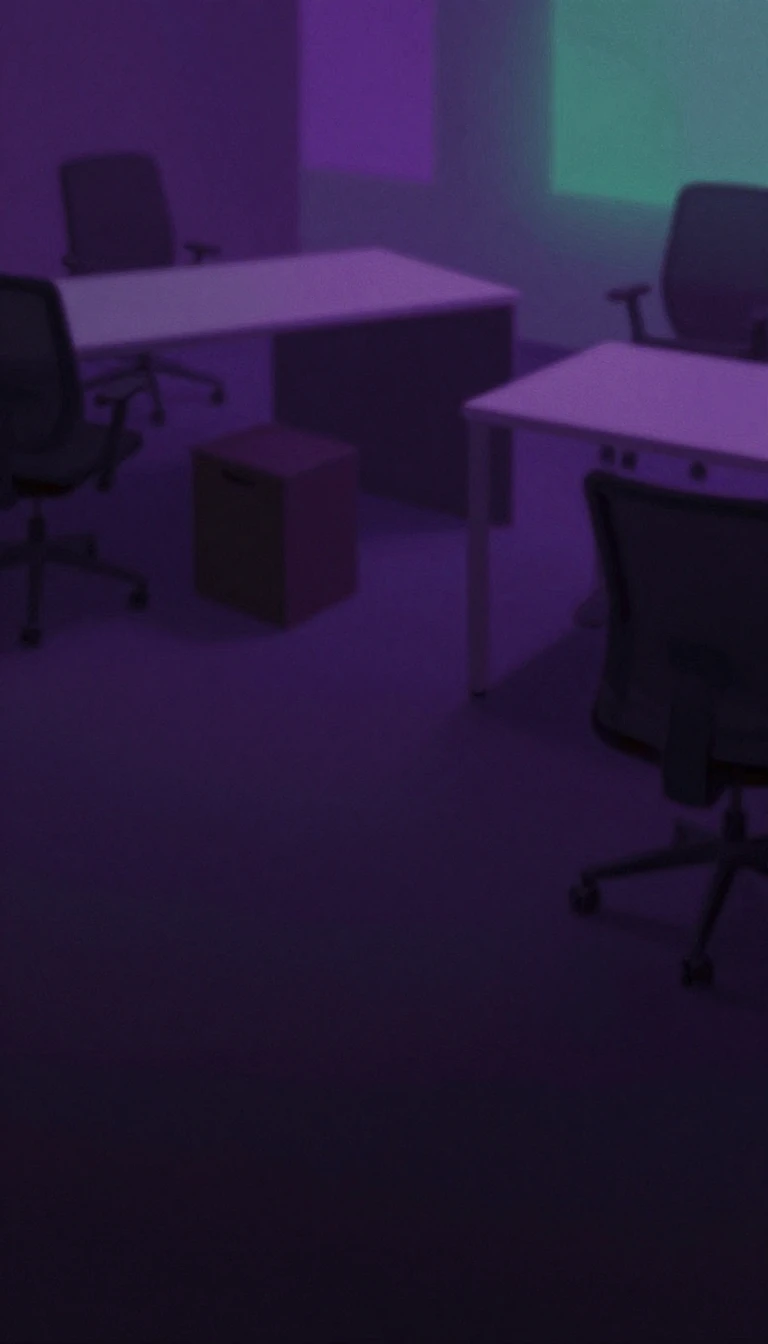
The production was marked by both meticulous design and spontaneous improvisation. Art director Alexandre Trauner used forced perspective to create a massive, sprawling office set, while intentionally making Baxter’s apartment appear small and shabby using thrift-store finds. Wilder, who usually demanded strict adherence to his script, allowed star Jack Lemmon to improvise iconic moments, such as straining spaghetti through a tennis racket. In one instance, a scene where Lemmon was supposed to mime being punched resulted in an accidental, genuine knockdown that Wilder kept in the final cut.
Upon its 1960 release, the film was a commercial success, doubling its $3 million budget, though critical reception was polarized. While some reviewers praised its ingenuity, others dismissed it as a dirty fairy tale. Over time, however, its reputation grew significantly. It was selected for the National Film Registry in 1994 and has consistently appeared on lists of the greatest films ever made by the American Film Institute and Sight and Sound. The film also marked a turning point in Hollywood history, as it was one of the last major black-and-white films before the industry shifted almost entirely to color.
Opens the Intellect+ feed with this card first. Swipe up for the next one.
Sources
- Summary by Intellect · source: The Apartment
To cite this card, link to https://intellectplus.co.uk/app/art-the-apartment.
How we source, check and correct cards: Editorial standards.
General information, not professional advice. Spotted an error? Flag the card or see corrections and complaints.
Intellect Plus is a visual educational discovery platform for exploring fascinating facts and ideas. Brain Food, Not Brain Rot. What is Intellect Plus?
Related
More in Film and television · More in Art · Latest · A–Z · All topics
