Why Woody Allen’s First Serious Drama Left Critics Divided Between Awe and Embarrassment
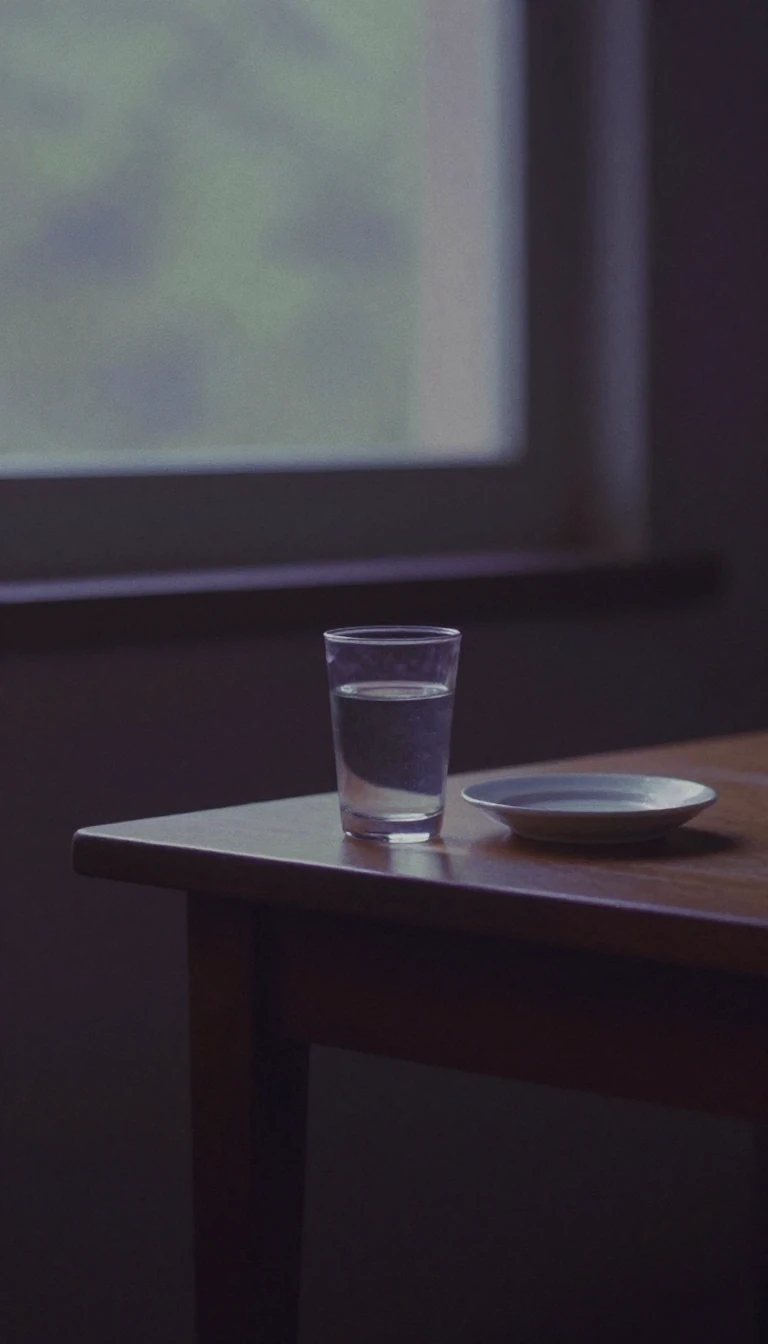
In short: Released in 1978, Interiors marked Woody Allen’s pivot from comedy to somber drama. While some critics hailed it as a majestic, transcendent piece of art, others dismissed it as a pretentious, minor embarrassment. Allen himself feared the film was a bomb, later admitting he struggled to balance his serious intentions.
Interiors follows the fractured lives of three adult daughters—Renata, Flyn, and Joey—and their parents, Arthur and Eve. When Arthur, a corporate attorney, abruptly leaves his wife, an interior decorator, the family dynamic collapses. Eve’s subsequent suicide attempt and Arthur’s plan to marry the vibrant Pearl trigger intense resentment and emotional turmoil among the sisters, culminating in a tragic confrontation at a Long Island beach house.
The film’s reception was sharply polarized. Roger Ebert praised Allen’s assured transition into drama, while Penelope Gilliatt lauded its Chekhovian themes. Conversely, critics like Vincent Canby and Richard Schickel felt the film lacked genuine emotional depth, suggesting Allen was merely imitating the style of Ingmar Bergman without truly grasping the material. James Monaco famously labeled it one of the most pretentious films by a major American filmmaker in three decades.
Allen’s own perspective on the project was fraught with anxiety. His editor, Ralph Rosenblum, recalled that Allen was fearful and testy during production, convinced he had created a failure. Looking back in 1982, Allen expressed regret over the film's pacing, noting that he should have introduced the character of Pearl much earlier to provide necessary levity. He once wryly remarked that while he aimed for the gravity of Eugene O'Neill, he feared the result felt more like a soap opera.
Despite the mixed critical response, the film earned five Academy Award nominations, including nods for Best Director and Best Original Screenplay. Maureen Stapleton’s performance as Pearl was a particular highlight for many, with some reviewers noting that her entrance provided the only bright, lively energy in an otherwise unremittingly painful narrative. Ultimately, the film remains a notable, if contested, experiment in Allen’s career.
Opens the Intellect+ feed with this card first. Swipe up for the next one.
Sources
- Summary by Intellect · source: Interiors
- Also: Wikidata — Interiors · CC0
To cite this card, link to https://intellectplus.co.uk/app/entertainment-interiors.
How we source, check and correct cards: Editorial standards.
General information, not professional advice. Spotted an error? Flag the card or see corrections and complaints.
Intellect Plus is a visual educational discovery platform for exploring fascinating facts and ideas. Brain Food, Not Brain Rot. What is Intellect Plus?
Related
More in Films · More in Entertainment · Latest · A–Z · All topics
