Why William-Adolphe Bouguereau hid his own silhouette inside his masterpiece The Birth of Venus
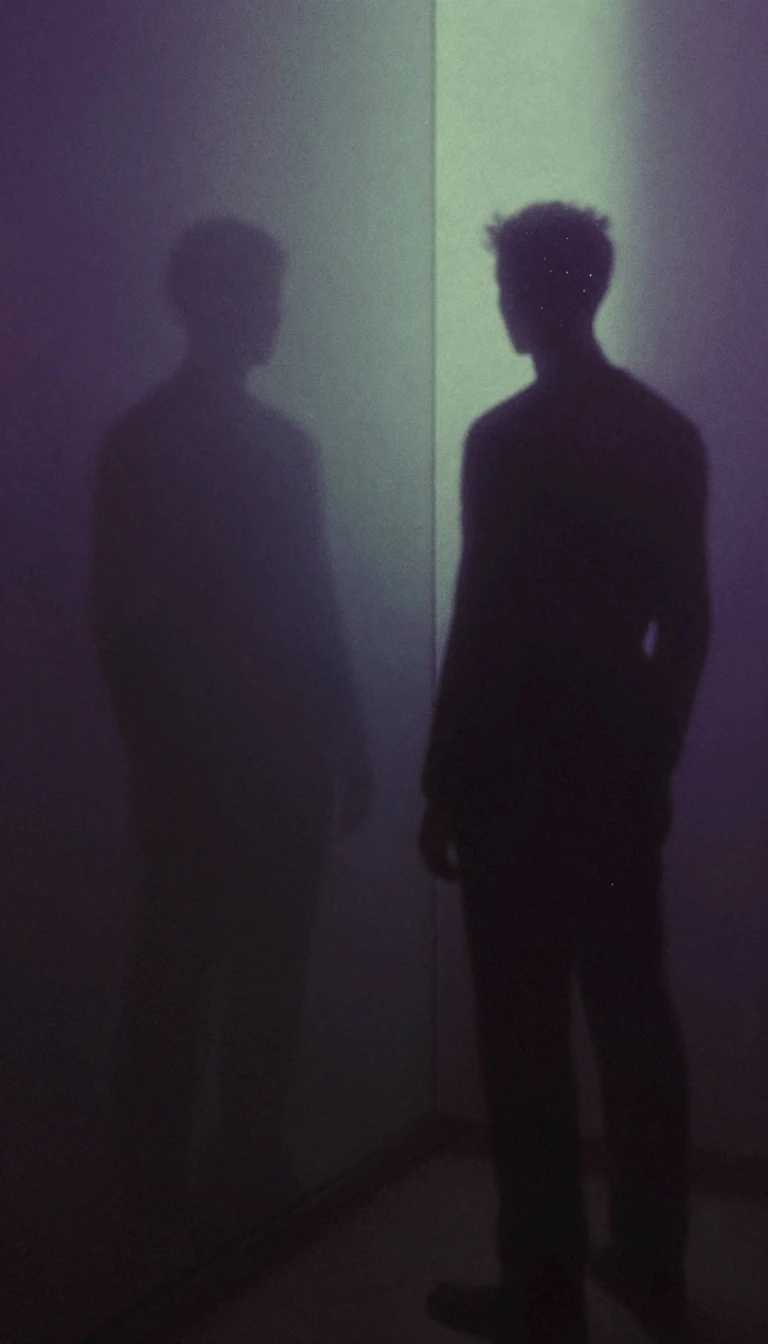
In short: William-Adolphe Bouguereau’s 19th-century masterpiece is more than a study of classical beauty. While the painting depicts Venus arriving in Cyprus on a scallop shell, a closer look at the upper-left clouds reveals a mysterious, hidden silhouette of the artist himself, complete with a raised fist clutching a phantom paintbrush.
Completed in 1879, The Birth of Venus stands as a massive tour de force, measuring over 300 centimetres in height and 218 centimetres in width. The painting captures the goddess not at the moment of her emergence from the sea, but during her transit to Paphos, Cyprus. Bouguereau drew inspiration from historical predecessors, specifically the compositions of Sandro Botticelli and Raphael’s The Triumph of Galatea, to craft his own vision of the classical female ideal.
The central figure of Venus is a masterclass in anatomical precision and classical posture. Bouguereau utilized an intense 'S' curve contrapposto to emphasize the fluidity of her form, with her head tilted and her arms raised to arrange her long, brown hair. Her calm, comfortable expression reflects a deliberate embodiment of feminine beauty. Interestingly, the figure was adapted from a nymph in the artist's 1878 work, The Nymphaeum. Compared to that earlier iteration, the Venus figure features fuller, more rounded breasts and a more pronounced, elegant stance.
Surrounding the goddess is a complex mythological retinue. Fifteen putti, including Cupid and Psyche, accompany the shell, while nymphs and centaurs gather to witness the arrival. Two centaurs blow into conch and Triton shells, acting as heralds for the scene. Beyond the technical mastery of the figures, the work remains a subject of intrigue due to the subtle, shadow-like silhouette of Bouguereau himself tucked into the upper-left clouds. This inclusion of the artist’s own form—head, shoulder, and arm—adds a layer of personal signature to a work that is otherwise defined by its adherence to the timeless, idealized standards of Greek and Roman art.
Opens the Intellect+ feed with this card first. Swipe up for the next one.
Sources
- Summary by Intellect · source: The Birth of Venus (Bouguereau)
- Also: Art Institute of Chicago — Birth of Venus (No. 2) · CC0 (data); description CC BY 4.0
To cite this card, link to https://intellectplus.co.uk/app/art-the-birth-of-venus-bouguereau.
How we source, check and correct cards: Editorial standards.
General information, not professional advice. Spotted an error? Flag the card or see corrections and complaints.
Intellect Plus is a visual educational discovery platform for exploring fascinating facts and ideas. Brain Food, Not Brain Rot. What is Intellect Plus?
Related
More in Visual arts · More in Art · Latest · A–Z · All topics
