Why a 1st-century marble goddess became the ultimate benchmark for Western classical beauty
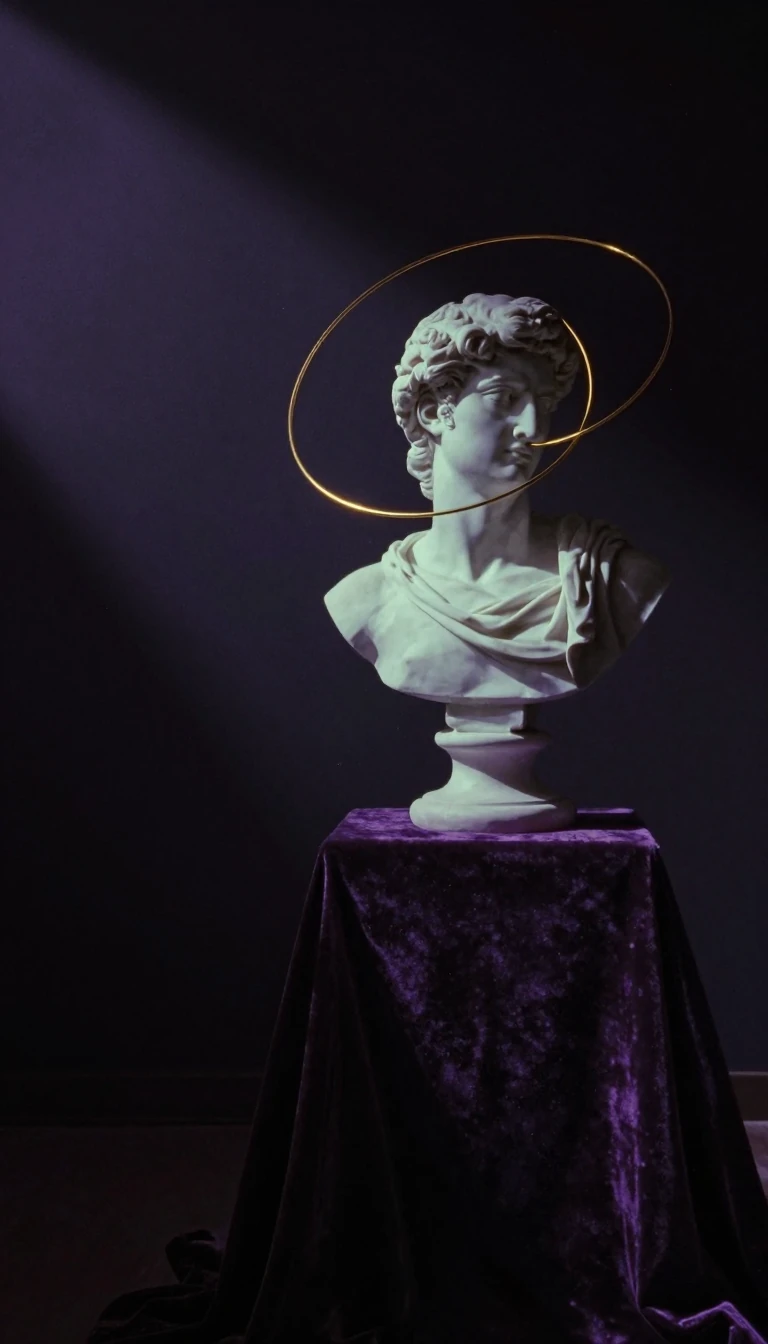
In short: The Venus de' Medici is more than a statue; it is a cultural barometer. This 1.53-meter marble figure, depicting Aphrodite emerging from the sea, defined European aesthetics for centuries. From royal collections to garden ornaments, its influence shaped how generations of artists and connoisseurs perceived the ideal female form.
The Venus de' Medici is a 1st-century BC marble copy of a lost Greek bronze, likely created in the Praxitelean tradition. While its exact origins remain undocumented, the statue gained immense prestige as a navigation point for the Western classical tradition. By 1559, it was already famous enough to be featured in a series of celebrated Roman sculptures commissioned by Niccolò Orsini. Its reputation grew steadily, eventually becoming a mandatory stop for Grand Tour travelers who viewed it as a miracle of art.
The sculpture's history is marked by both reverence and controversy. In 1677, Pope Innocent XI permitted its export to Florence, reportedly because the statue's beauty was thought to incite lewd behavior. Later, in 1803, diplomatic pressure forced its transfer to Paris, though it returned to the Uffizi Gallery in 1815. Scholars have long debated its authenticity; for instance, the 18th-century inscription attributing the work to 'Kleomenes, son of Apollodoros' is now considered a forgery intended to enhance the statue's value. Furthermore, the arms were restored by Ercole Ferrata, whose Mannerist style—characterized by long, tapering fingers—was not questioned until the 19th century.
As one of the most-copied antiquities in history, the Venus de' Medici served as a foundational model for artists ranging from Louis XIV’s sculptors to 19th-century American artist Hiram Powers, who used it as the basis for his 1844 work, The Greek Slave. Its ubiquity in bronze reductions, porcelain, and garden lead casts allowed connoisseurs like Claude-Henri Watelet to study its proportions using calipers. While 19th-century critics eventually began to dissent from its universal acclaim, the statue remains a vital artifact for understanding the evolution of classical scholarship and shifting aesthetic tastes.
Opens the Intellect+ feed with this card first. Swipe up for the next one.
Sources
- Summary by Intellect · source: Venus de' Medici
- Also: Art Institute of Chicago — Head of Venus de Medici · CC0 (data); description CC BY 4.0
- Also: Art Institute of Chicago — Study after Statue of Venus de' Medici · CC0 (data); description CC BY 4.0
To cite this card, link to https://intellectplus.co.uk/app/art-venus-de-medici.
How we source, check and correct cards: Editorial standards.
General information, not professional advice. Spotted an error? Flag the card or see corrections and complaints.
Intellect Plus is a visual educational discovery platform for exploring fascinating facts and ideas. Brain Food, Not Brain Rot. What is Intellect Plus?
Related
More in Visual arts · More in Art · Latest · A–Z · All topics
