Why did Studio Ghibli release a blockbuster film with zero trailers or marketing?
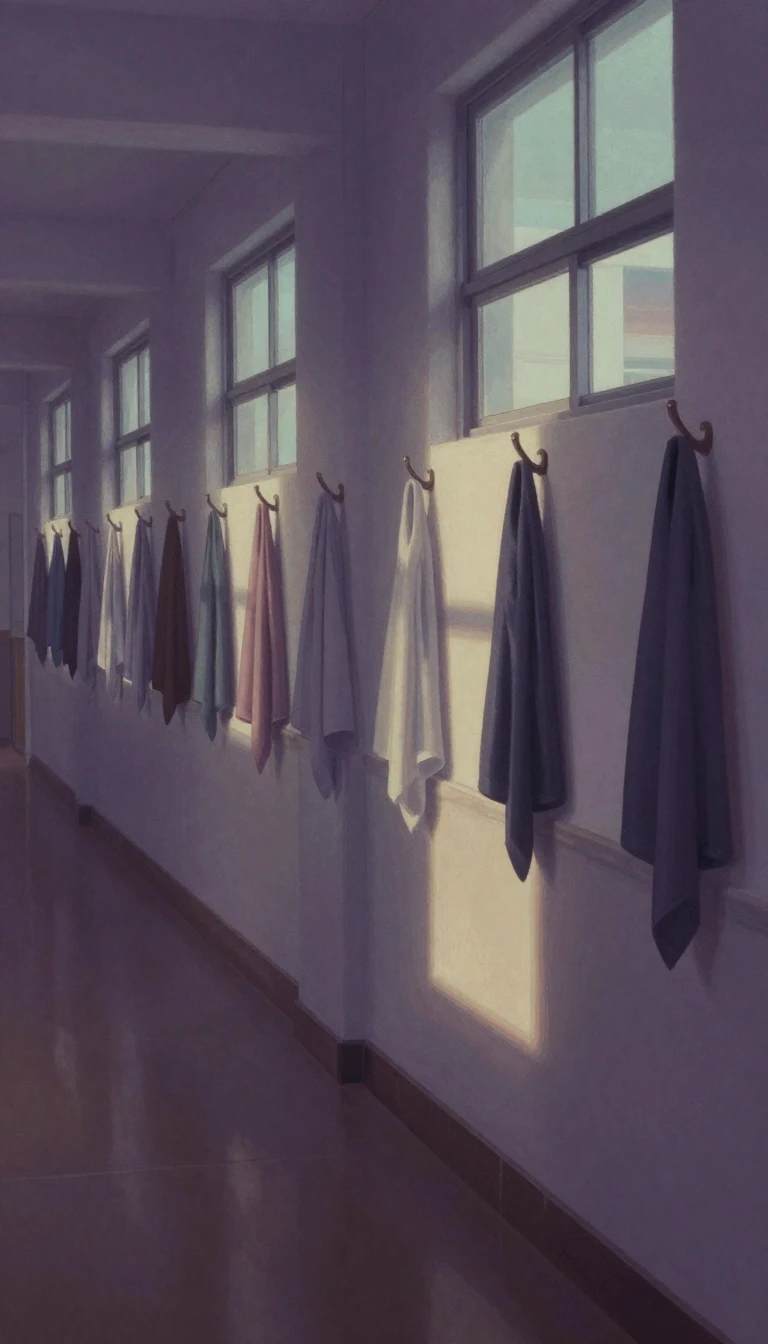
In short: When Hayao Miyazaki released The Boy and the Heron, he broke every rule of modern cinema. With no trailers, no plot synopses, and no cast announcements, the studio relied on a single poster. The result was a global phenomenon, proving that mystery can be a more powerful draw than saturation.
Released in Japan on July 14, 2023, The Boy and the Heron was the culmination of a seven-year production process. Producer Toshio Suzuki intentionally bypassed traditional marketing, fearing that revealing too much would ruin the enigmatic experience he wanted for the audience. This minimalist strategy sparked industry anxiety, with some distributors worrying it threatened the necessity of standard advertising. However, the film became a massive commercial success, grossing US$294.2 million worldwide and becoming the sixth highest-grossing Japanese film of all time.
The film is deeply autobiographical, mirroring Miyazaki’s own childhood experiences during the Pacific War, including his family's evacuation to the countryside and his father's work in an air munitions factory. While the narrative follows a boy named Mahito Maki navigating a fantastical world to find his mother, it serves as a reflection on a long career. Miyazaki, who had previously announced his retirement in 2013, returned to direct this project, which synthesizes stylistic elements from his past work while exploring themes of loss, conflict, and the moral choices children face in a fractured world.
The production was famously slow and deliberate, with Miyazaki’s animation pace dropping to about one minute per month by 2019. The film’s development was influenced by the death of Miyazaki's longtime collaborator Isao Takahata in 2018, which led to revisions that shifted the story's focus. Ultimately, the film avoids providing a simple answer to its titular question, 'How do you live?', instead urging viewers to find their own path through life's uncertainties. It stands as a testament to Miyazaki’s belief in the goodness of children and the necessity of building a world free of malice.
Opens the Intellect+ feed with this card first. Swipe up for the next one.
Sources
- Summary by Intellect · source: The Boy and the Heron
To cite this card, link to https://intellectplus.co.uk/app/art-the-boy-and-the-heron.
How we source, check and correct cards: Editorial standards.
General information, not professional advice. Spotted an error? Flag the card or see corrections and complaints.
Intellect Plus is a visual educational discovery platform for exploring fascinating facts and ideas. Brain Food, Not Brain Rot. What is Intellect Plus?
Related
More in Fictional and legendary characters · More in Art · Latest · A–Z · All topics
