How a 1984 animated masterpiece sparked a global movement against film censorship
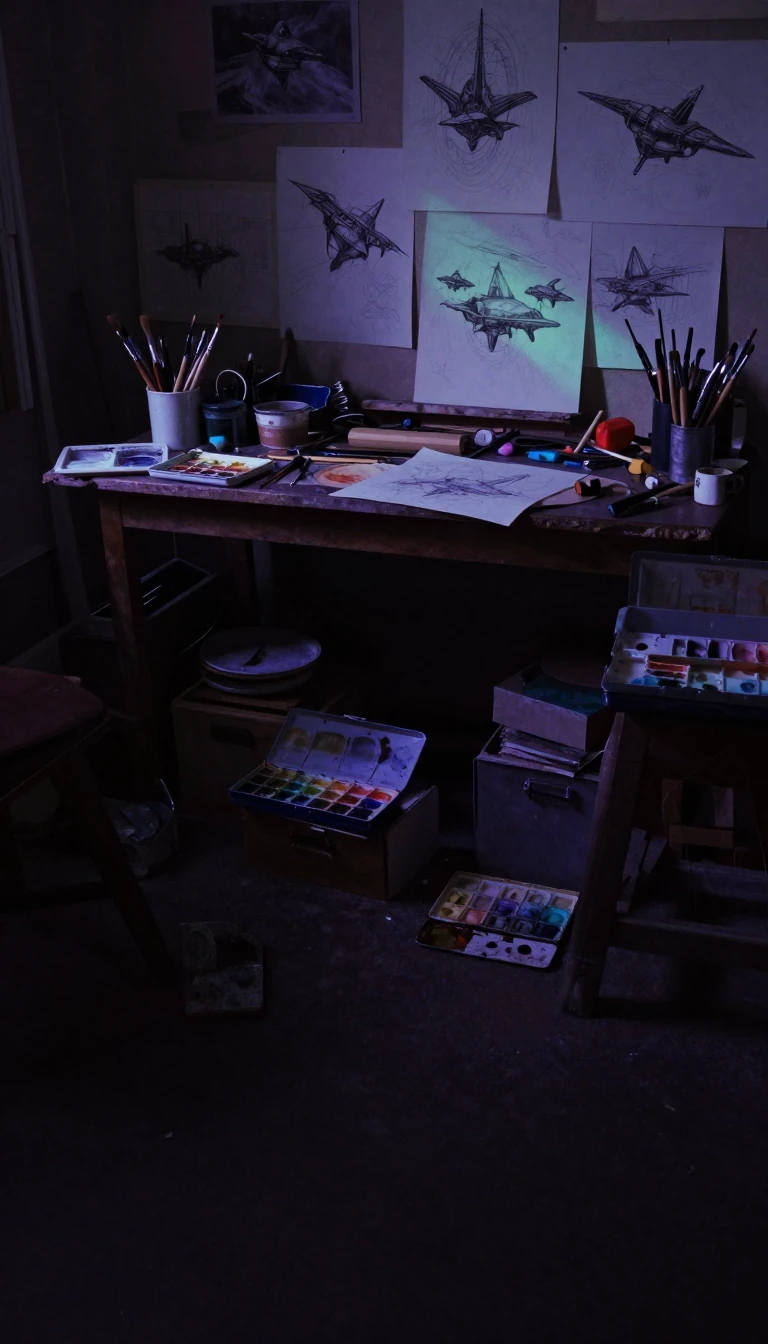
In short: Before Studio Ghibli existed, Hayao Miyazaki directed a post-apocalyptic epic that became a cultural touchstone. When international distributors butchered the film for foreign markets, Miyazaki fought back with a strict no-edits policy that changed how the world experiences Japanese animation forever. Discover the origin of a cinematic legend.
Released in Japan on 11 March 1984, Nausicaä of the Valley of the Wind is a post-apocalyptic fantasy set one thousand years after the Seven Days of Fire, an event that left the world scarred by a poisonous Toxic Jungle. The film follows Princess Nausicaä, a pacifist who seeks to understand the giant mutant insects known as the Ohm rather than destroy them. Her journey explores themes of environmentalism, the cyclical nature of war, and the Buddhist roots of conflict—greed, ill will, and delusion.
The film’s production was a race against time, completed in just nine months on a budget of US$1 million. Because Tokuma Shoten lacked an internal animation studio, Miyazaki and executive producer Isao Takahata hired the minor studio Topcraft. The project featured early work from Hideaki Anno, who would later create Neon Genesis Evangelion. Miyazaki drew inspiration from diverse sources, including Frank Herbert's Dune, J.R.R. Tolkien’s The Lord of the Rings, and the real-world mercury poisoning at Minamata Bay.
The film's international legacy was nearly derailed by a heavily edited 1985 American version titled Warriors of the Wind. This cut removed 22 minutes of footage, simplified the environmental themes, and renamed characters. The backlash from Miyazaki was immediate and absolute; he implemented a strict policy prohibiting international licensors from altering his films. This stance ensured that subsequent releases, such as the 2005 Disney-produced dub, remained faithful to the original vision.
Today, the film is regarded as a seminal influence on anime, credited with paving the way for the founding of Studio Ghibli. Its impact extends beyond cinema, inspiring everything from the 1995 game Panzer Dragoon to the real-life OpenSky Aircraft Project, which successfully flew a jet-powered glider based on the film's design in 2013. It remains a fixture in global culture, frequently cited as one of the greatest animated works ever produced.
Opens the Intellect+ feed with this card first. Swipe up for the next one.
Sources
- Summary by Intellect · source: Nausicaä of the Valley of the Wind (film)
To cite this card, link to https://intellectplus.co.uk/app/entertainment-nausica-of-the-valley-of-the-wind-film.
How we source, check and correct cards: Editorial standards.
General information, not professional advice. Spotted an error? Flag the card or see corrections and complaints.
Intellect Plus is a visual educational discovery platform for exploring fascinating facts and ideas. Brain Food, Not Brain Rot. What is Intellect Plus?
Related
More in Animated series & cartoons · More in Entertainment · Latest · A–Z · All topics
