Can faith and logic coexist? A medieval masterpiece argues that they are both true.
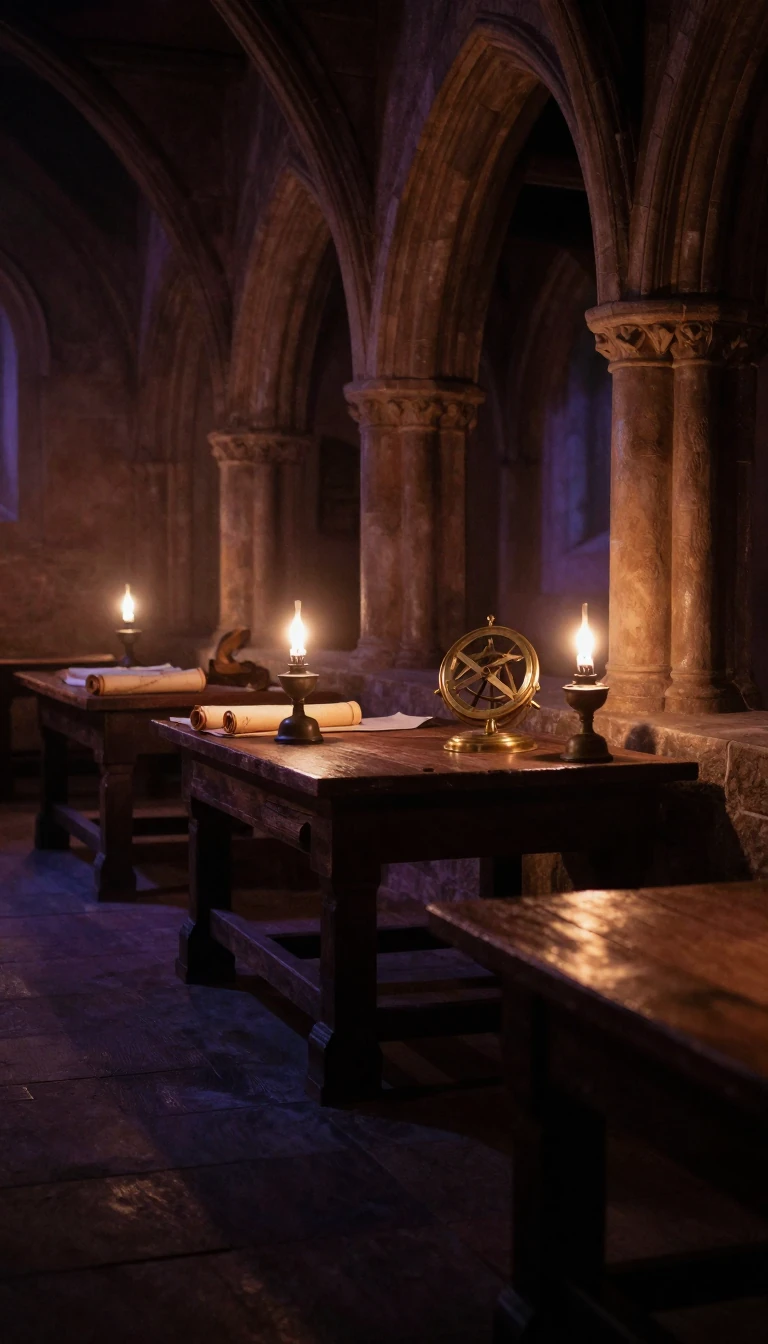
In short: In the 12th century, the polymath Ibn Rushd penned a landmark defense of Aristotelian thought against theological critique. By systematically dismantling the arguments of his predecessor, al-Ghazali, Ibn Rushd sought to harmonize the eternal truths of the Quran with the rigorous demands of philosophy, forever changing the landscape of Islamic intellectual history.
The intellectual conflict began with al-Ghazali, an imam of the Ash'ari school, who authored The Incoherence of the Philosophers. Al-Ghazali was not anti-intellectual; he explicitly accepted the validity of mathematics, logic, physics, and astronomy. However, he launched a fierce attack on metaphysics, arguing that philosophers like Ibn Sina and al-Farabi failed to apply the same rigorous logical standards to their metaphysical claims as they did to the natural sciences. His work was a massive success, cementing the influence of Ash'ari theology in the discourse of the time.
Ibn Rushd, living from 1126 to 1198, responded with his own masterpiece, The Incoherence of the Incoherence. Written as a structured dialogue, the book quotes al-Ghazali’s specific objections and provides a point-by-point rebuttal. Ibn Rushd’s central project was to reconcile Aristotelian philosophy with Islamic faith. He maintained that there was no inherent contradiction between the two, asserting that the insights of Aristotle and the divine words of the Quran were both expressions of eternal truth.
The impact of this work extended far beyond the Islamic world. In Europe, Ibn Rushd’s writings were studied by Christian and Jewish scholars, eventually sparking the philosophical movement known as Averroism. By defending the role of reason within a religious framework, Ibn Rushd created a legacy that bridged cultures and centuries. His landmark text remains a testament to the possibility of finding harmony between the analytical mind and the spiritual heart, proving that the pursuit of truth can be both a scientific and a sacred endeavor.
Opens the Intellect+ feed with this card first. Swipe up for the next one.
Sources
- Summary by Intellect · source: The Incoherence of the Incoherence
To cite this card, link to https://intellectplus.co.uk/app/art-the-incoherence-of-the-incoherence.
How we source, check and correct cards: Editorial standards.
General information, not professional advice. Spotted an error? Flag the card or see corrections and complaints.
Intellect Plus is a visual educational discovery platform for exploring fascinating facts and ideas. Brain Food, Not Brain Rot. What is Intellect Plus?
Related
More in Literature · More in Art · Latest · A–Z · All topics
