Why this 1750 Chinese masterpiece is considered the most difficult novel to categorize
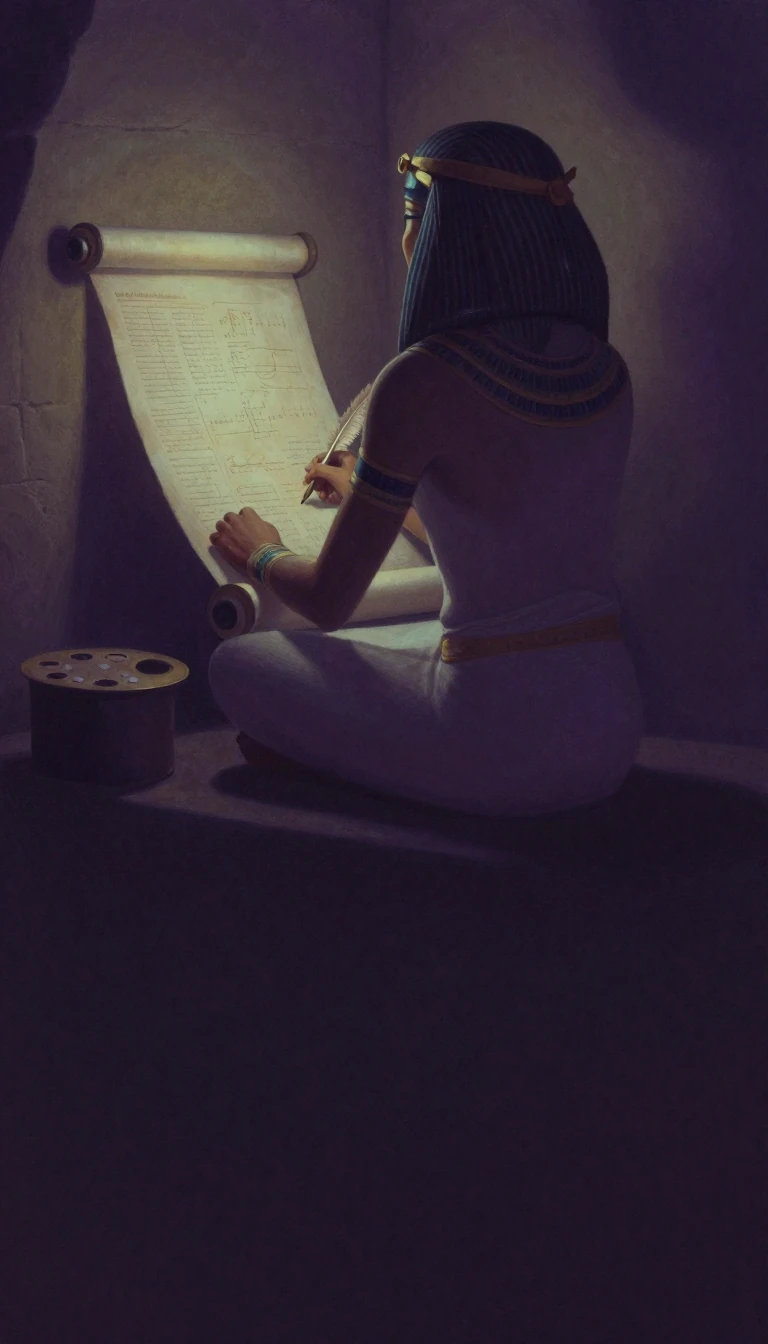
In short: Wu Jingzi’s The Scholars is a sprawling, satirical classic that defies traditional storytelling. By rejecting a central protagonist and utilizing a mosaic-like structure, it exposes the hollow moralizing of the imperial examination system. It remains a vital, acerbic critique of intellectual hypocrisy that continues to fascinate modern literary scholars.
Published in 1750 during the Qing dynasty, The Scholars is a landmark of Chinese literature. While set in the Ming period to avoid the dangers of criticizing the reigning Qing authorities, the novel serves as a biting indictment of the civil service examination system. Wu Jingzi populates his work with scholars who are so obsessed with fame and status that they lose their sanity, sacrifice their families, and live lives of performative, hypocritical morality.
The novel is famous for its unconventional narrative. Rather than following a single hero, it moves through a series of interconnected vignettes, where characters from one story appear as minor guests in the next. This structure has led critics like Lu Xun and Hu Shih to argue that the work lacks a central linking element or a traditional protagonist. However, recent scholarship by Zbigniew Słupski suggests the book is organized on three distinct levels: anecdotal units, character biographies, and an autobiographical layer reflected in chapter titles and poems.
Despite its caustic tone, the novel is not purely nihilistic. Wu Jingzi includes 'good' characters, such as Du Shaoqing, who serve as models for an ideal Confucian scholar. These figures reject the corruption of fame and money, and their presence suggests that the author maintained a belief in the importance of Confucianism even while ridiculing its practitioners. The work’s structural apex is often cited as Chapter 37, which depicts a ceremony honoring the sage Wu Taibo, highlighting the author’s complex, dual desire to both honor and critique Confucian ritual.
The Scholars also played a pivotal role in the evolution of the Chinese language. It was one of the first major novels to utilize the vernacular baihua style, which later became a rallying point for 20th-century language reformers who viewed the traditional wenyan style as elitist. Today, the novel is recognized as a pinnacle of the 'literati novel,' offering a dynamic, shifting perspective on the world that remains essential for understanding late imperial Chinese intellectual life.
Opens the Intellect+ feed with this card first. Swipe up for the next one.
Sources
- Summary by Intellect · source: The Scholars (novel)
To cite this card, link to https://intellectplus.co.uk/app/art-the-scholars-novel.
How we source, check and correct cards: Editorial standards.
General information, not professional advice. Spotted an error? Flag the card or see corrections and complaints.
Intellect Plus is a visual educational discovery platform for exploring fascinating facts and ideas. Brain Food, Not Brain Rot. What is Intellect Plus?
Related
More in Literature · More in Art · Latest · A–Z · All topics
